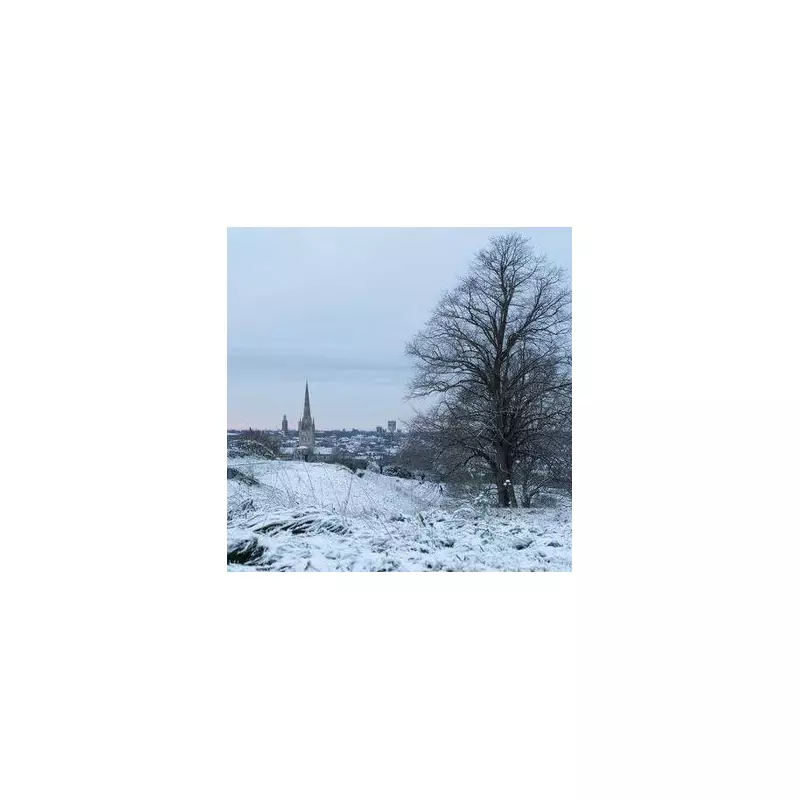
Norwich Declared UK's Saddest Town Amid January Depression Spike
New research has identified Norwich in East Anglia as the United Kingdom's saddest town, with a staggering one in four residents admitting they feel genuinely depressed during the January period. This finding comes as British Gas reveals that 57% of Britons experience intense cravings for sunlight and warmth during the mid-to-late winter month, largely due to prolonged overcast conditions and severely limited daylight exposure.
The Winter Blues: A National Phenomenon
The study, conducted by British Gas, paints a concerning picture of nationwide winter wellbeing. Forty-two percent of British respondents reported feeling more depressed in January than any other month, while over half (54%) expressed a wish for January to be a cheerier period. Perhaps most tellingly, 76% of those surveyed stated they would love to own a Seasonal Affective Disorder (SAD) lamp to help elevate their mood during these challenging winter months.
In response to Norwich's particularly low scores on what researchers termed the cheerful-ometer, British Gas has taken the unusual step of installing giant SAD lamps throughout the town. These specialised light therapy devices emit 10,000 lux of bright, UV-free illumination, effectively mimicking natural sunlight to combat symptoms associated with winter depression.

Understanding Seasonal Affective Disorder
Seasonal Affective Disorder is a recognised type of depression that follows a recurring seasonal pattern, most commonly beginning in autumn and persisting throughout winter due to significantly reduced daylight hours. Clinical symptoms typically include:
- Persistent low mood and feelings of sadness
- Noticeable lack of energy and increased fatigue
- Tendency toward social withdrawal and isolation
- Reduced concentration and cognitive function
Psychologist Dr Becky Spelman explained the physiological mechanisms behind this phenomenon: "Light plays a key role in how we feel during winter. Increasing light exposure in the morning can help signal to the brain that it is time to wake up and feel more alert. Using a SAD lamp can be particularly helpful when natural daylight is limited. Spending time outdoors during daylight hours, even briefly, can also support mood and energy."
Beyond Norwich: A National Pattern of Winter Struggles
While Norwich emerged as the most affected location, the research revealed concerning patterns across numerous UK towns and cities:
- Stoke and Swansea followed closely with 24% of residents struggling
- Manchester reported 21% experiencing January depression
- Edinburgh, Glasgow, and Oxford each showed 16% affected
- Bristol, Plymouth, and Cambridge recorded 15% struggling
The study further uncovered that a quarter of Britons feel a sense of despair about how many months remain until warmer weather arrives, while half admit to finding people more irritating than usual during this period.
Coping Mechanisms and Community Response
Despite these challenges, many Britons are proactively employing strategies to combat winter depression:
- 45% make extra effort to see friends and family
- 56% indulge in comfort through cosy clothing and hot drinks
- 34% use candlelight to create warmer atmospheres
- 31% engage in therapeutic baking of bread and cakes
- 31% take winter walks despite the cold
- 27% focus on preparing healthy meals
- 27% consciously maximise their daylight exposure
The designation of Norwich as the UK's saddest town has sparked considerable local debate. While some residents pointed to political factors or demographic changes, many challenged the study's methodology, with one commenting: "Hard to believe. I absolutely enjoyed living in Norwich." Others noted the apparent contradiction between the city's beautiful surrounding countryside, rich Norfolk culture, and its low happiness ratings.

This comprehensive research highlights the significant impact of seasonal changes on national wellbeing, particularly during what many consider the most challenging month of the year. The installation of SAD lamps in Norwich represents a tangible intervention, while the widespread adoption of various coping strategies demonstrates the resilience of communities facing the annual winter challenge.