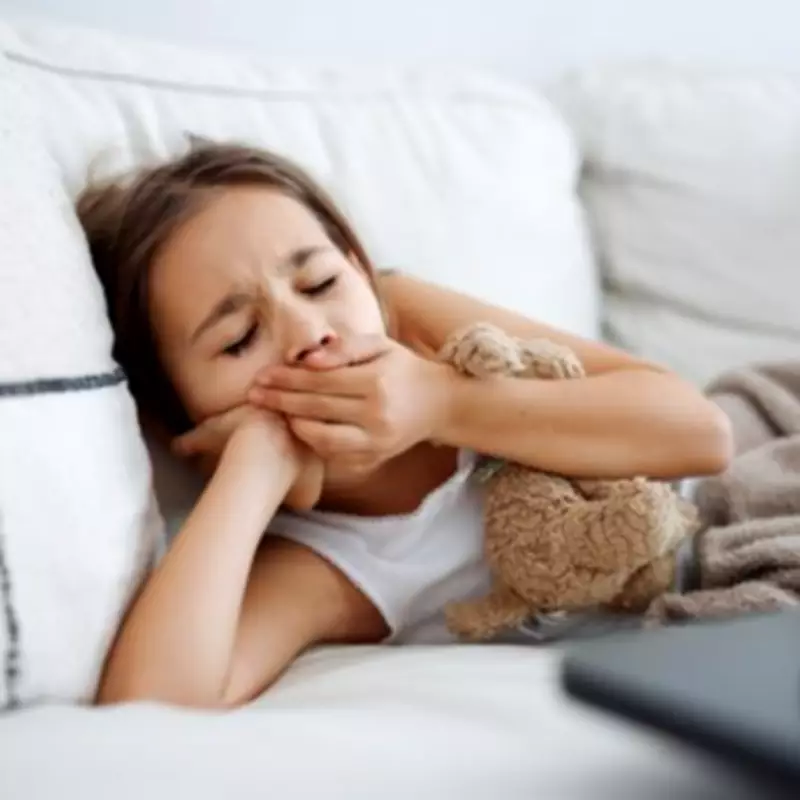
The UK Health Security Agency has issued urgent guidance to schools and parents as cases of the highly contagious norovirus, commonly known as the winter vomiting bug, have surged dramatically across the United Kingdom. Official data reveals a concerning 73.8 per cent increase in reported infections compared to the five-season average for the same period, prompting renewed public health warnings.
Alarming Spike in Norovirus Infections
According to the latest epidemiological update from the UKHSA, cases recorded between January 12 and 25 were not only 73.8 per cent higher than the five-year average for that fortnight but also showed an 18.3 per cent increase compared to the previous two-week period. This significant upward trend has raised particular concerns among health officials, especially regarding vulnerable population groups.
Children Under Five Among Worst Affected
While older adults aged 65 and over continue to account for the majority of reported cases, health authorities have noted a worrying increase in infections among children under five years old. This development has prompted specific guidance for nurseries and early years settings, with parents being urged to implement strict hygiene measures and understand when to keep symptomatic children at home.

Amy Douglas, lead epidemiologist at UKHSA, emphasised the seriousness of the situation: "Norovirus activity has remained high in recent weeks, particularly among those aged 65 years and over and is now increasing among children aged under five years as well. Outbreaks in hospital settings have also increased."
Essential Prevention Measures
The UKHSA and NHS have reiterated crucial steps to prevent further spread of this easily transmitted virus. Norovirus typically causes vomiting and diarrhoea and spreads rapidly through close contact with infected individuals, contaminated surfaces, food, and water.
Key Hygiene Recommendations
- Wash hands thoroughly with soap and warm water after using the toilet or changing nappies
- Use bleach-based cleaning products for surfaces as alcohol gels are ineffective against norovirus
- Wash contaminated clothing and bedding separately at 60°C
- Regularly clean high-touch areas including toilet seats, flush handles, taps, and door handles
School and Work Exclusion Guidelines
- Children and adults should remain home for at least 48 hours after symptoms have completely cleared
- Avoid preparing food for others during this exclusion period
- Refrain from visiting hospitals or care homes until fully recovered to protect vulnerable individuals
- Maintain distance from others as much as possible while symptomatic
Symptoms and Management
Beyond the primary symptoms of vomiting and diarrhoea, norovirus infection can also present with:
- Elevated temperature or fever
- Headaches and body aches
- Abdominal pain and discomfort
- General malaise and fatigue
Health officials stress that while most cases resolve without medical intervention, proper hydration and rest are essential during recovery. The increased activity in both elderly and paediatric populations underscores the importance of community-wide adherence to prevention guidelines to curb transmission during this peak season.