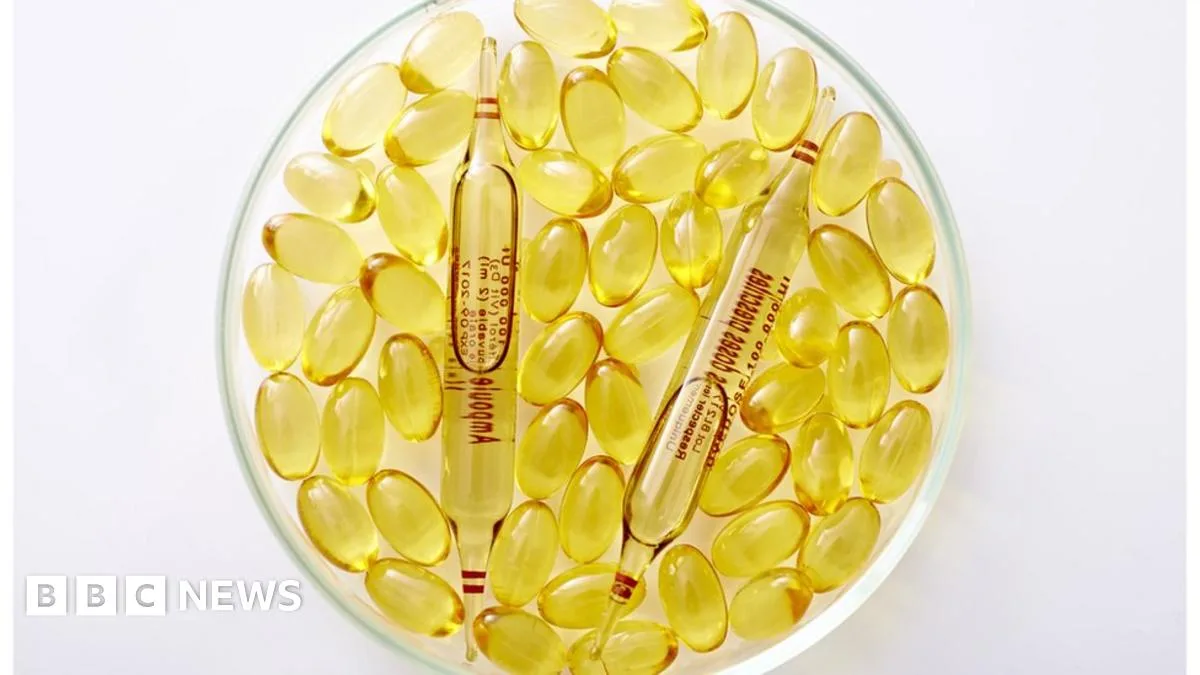
Public health officials in the UK are now recommending that everyone consider taking vitamin D supplements during the autumn and winter months. This updated guidance, based on a report from the Scientific Advisory Committee on Nutrition (SACN), sets the recommended daily intake at 10 micrograms. The advice comes amid concerns that diet alone may not provide sufficient vitamin D, particularly when sunlight—a key source for its production—is limited.
Vitamin D is essential for regulating calcium and phosphate levels in the body, which are crucial for healthy bones, teeth, and muscles. Deficiency can lead to brittle bones, rickets in children, and osteomalacia in adults, causing severe bone pain and muscle aches. Official estimates indicate that one in five adults and one in six children in England may have low levels of the vitamin.
The SACN review, which examined evidence on bone and muscle health, concluded that everyone over the age of one needs 10 micrograms of vitamin D daily. While small amounts can be obtained from foods such as oily fish, eggs, and fortified cereals, most people rely on sunlight for their vitamin D. However, during winter, when sunlight is scarce, supplements are advised for those whose diet is unlikely to provide adequate levels.
Certain groups are advised to take supplements all year round, including people with limited sun exposure, those who always cover their skin, and individuals with black or Asian heritage. Children aged up to four, and babies under one year (unless consuming infant formula), should also take supplements daily throughout the year. Previous advice for at-risk groups, such as pregnant or breastfeeding women and over-65s, remains in place.
Dr Louis Levy, head of nutrition science at Public Health England, noted that this is a change from previous guidance, which only recommended supplements for babies and those at risk of deficiency. He emphasised that short bursts of sun exposure without sunscreen are necessary for vitamin D production, but care should be taken to avoid sunburn. Vitamin D supplements are available free of charge for low-income families through the Healthy Start scheme.
Health officials in Scotland and Northern Ireland have updated their guidance in line with the new recommendations for people aged over six months, and are considering extending the advice to babies from birth. The SACN also reviewed potential links between vitamin D and cancers, cardiovascular disease, and multiple sclerosis, but found insufficient evidence to draw firm conclusions.