The National Health Service has issued an urgent public health alert as cases of a highly contagious stomach bug continue to escalate across the United Kingdom. In what officials describe as an 'unpleasant' update, the NHS is strongly advising anyone who contracts the illness to remain at home and avoid crowded settings including schools, workplaces, hospitals, and care facilities.
Sharp Rise in Norovirus Infections
According to the latest data released by the UK Health Security Agency and NHS England, norovirus infections are currently 47% higher in early 2026 compared to the same period in 2025. More concerningly, cases have surged by 61% over the past fortnight, with the increase particularly pronounced among individuals aged 65 and older.
This significant spike in infections has placed considerable strain on healthcare services, with hospital bed occupancy rates approaching 95% in some areas. The NHS has taken to social media platform X to disseminate crucial advice, stating clearly: "Norovirus cases are rising. It's a stomach bug that causes diarrhoea and vomiting. The virus can spread very easily, but washing your hands frequently with soap and water is the best way to stop it spreading."

Symptoms and Home Management
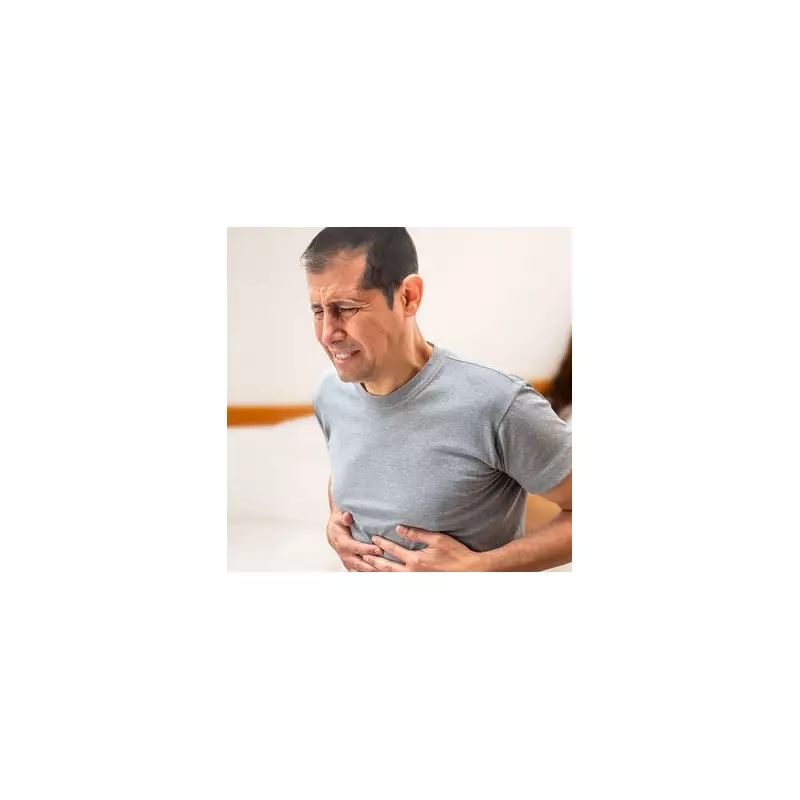
The health service describes norovirus as causing several 'unpleasant' symptoms that typically include sudden nausea leading to projectile vomiting, frequent watery diarrhoea, abdominal discomfort, and sometimes a slight fever with accompanying headaches and limb aches. Most people experience fatigue, weakness, and general malaise.
"Stomach bugs, like norovirus, can be very unpleasant but usually go away in around two days," the NHS advises. "Treating yourself at home is often the best remedy." Symptoms generally manifest between 12 to 48 hours after exposure and typically resolve within two to four days.
Critical Prevention Measures
In a crucial public health clarification, the NHS has emphasised that alcohol-based hand sanitisers are ineffective against norovirus. "Alcohol hand gels do not kill norovirus," the health service stated unequivocally. Instead, frequent hand washing with soap and water remains the most effective preventive measure.
The virus's resilience contributes significantly to its rapid community spread. Norovirus can persist on surfaces for days or even weeks, necessitating thorough cleaning with bleach-based solutions. The UKHSA recommends using a 0.1% sodium hypochlorite solution (approximately 1,000 parts per million) for disinfecting contaminated surfaces, preferably while wearing disposable gloves.
Hydration and When to Seek Help
For those affected, the NHS stresses that "the most important thing is to rest and have lots of fluids to avoid dehydration." Norovirus causes substantial fluid loss through vomiting and diarrhoea, making rehydration paramount.
Warning signs of dehydration include pronounced thirst, dry mouth, dizziness, and dark or infrequent urination. Replacing lost fluids and electrolytes with water, oral rehydration solutions, or broths is essential. Vulnerable groups including children and older adults should seek medical attention if they exhibit severe dehydration symptoms such as sunken eyes, extreme fatigue, or inability to urinate.
Contagion Period and Reinfection Risk
The NHS advises that individuals who contract norovirus should "stay at home until two days after symptoms stop" and specifically avoid hospitals and care homes during this period. Despite its common designation as the 'winter vomiting bug,' norovirus circulates year-round, including during summer months.
Notably, people can experience multiple infections within short timeframes as different norovirus genotypes circulate simultaneously. Limited immunity to one strain does not protect against others, meaning reinfection can occur shortly after recovery.
For symptom management, the NHS suggests paracetamol may provide relief from discomfort, while emphasising the importance of checking medication leaflets before administering to children. With cases continuing to rise, public adherence to hygiene protocols and isolation guidelines remains critical to controlling the outbreak's spread.