Women Awarded Over Half a Million Pounds After NHS Surgeon's Gynaecological Blunders
A group of women who endured years of agony following gynaecological operations performed by an NHS surgeon have secured a substantial compensation payout exceeding half a million pounds. The distressing cases involve Derek Klazinga, who made a series of disastrous errors while employed by the Betsi Cadwaladr University Health Board in North Wales between 2002 and 2016.
Vaginal Mesh Implants Cause Ongoing Suffering
The clinician implanted several women with vaginal mesh, a device designed to support pelvic tissue for conditions like incontinence or pelvic organ prolapse. However, the use of this mesh, which was paused in the UK in 2018 due to safety concerns and is now restricted to last-resort cases, has left patients with persistent pain that continues to affect their lives today.
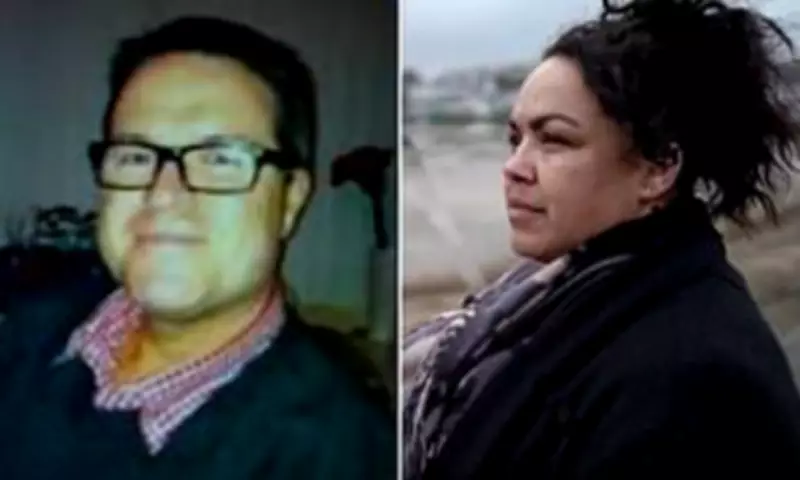
According to an investigation by Welsh-language broadcaster S4C, approximately 25 women have received compensation, with seven of them collectively awarded £600,000 since 2015. One of the affected individuals is Kerry Watson, a 40-year-old mother-of-three from Kinmel Bay, Conwy, who received her payout in April last year following surgery for bladder prolapse in 2014 when she was 29.

Personal Account of Pain and Trauma
Ms Watson now consumes around 120 tablets weekly to manage her chronic pain and was diagnosed with post-traumatic stress disorder (PTSD) in 2024. "I didn't want to be here anymore. I couldn't deal with the pain, I couldn't deal with the thoughts I had," she revealed. "I was nobody, just a bag of pain. Ten long years of that. Ten long years."
She described waking up after surgery with excruciating back pain, stating, "The pain was off the scale. I've never felt anything like it." Ms Watson also experienced leakage during physical activities, impacting her ability to play with her three sons.
Legal Battle and Lack of Informed Consent
In 2023, Ms Watson discovered a law firm's website detailing legal cases against the Betsi Cadwaladr health board related to surgeries performed by Mr Klazinga. She subsequently launched her own claim, during which a gynaecological expert asserted she never required the surgery initially. The expert suggested simpler, less invasive treatments like injections or a removable pessary device could have alleviated her symptoms.
The health board disputed that injections would have been effective but admitted that non-surgical alternatives, such as a pessary, should have been discussed with her. It also conceded that the consent process for the surgery failed to meet the expected standard of a reasonable, competent surgeon.
"I wasn’t told about the risks involved with mesh. I didn't receive the correct information before the surgery," Ms Watson emphasized. Her compensation was based on not being offered an alternative to the tension-free vaginal tape obdurator (TVT-O) mesh surgery and not being fully informed of the risks.
Compensation Details and Broader Impact
After initially declining a low offer, Ms Watson accepted £110,000, which reduced to £97,200 after legal fees. She questioned the adequacy of the sum, asking, "Is that going to cover all those nights I'll be up crying in pain? That doesn't touch the sides, really."
She was among seven women who courageously shared their stories with S4C's programme Y Byd ar Bedwar. Several others reported not consenting to the procedures, with most describing chronic pain that has profoundly disrupted their lives.
Health Board Response and Transparency Concerns
The Betsi Cadwaladr health board declined to disclose the total compensation paid to all 25 patients, citing data protection concerns, but confirmed it has paid over £5 million in the past decade due to errors in gynaecological treatment. Solicitor Michael Strain, who represented one of the women, labeled the situation a "scandal" and advocated for greater transparency.
He noted it is highly unusual for one clinician to be linked to so many claims and for the board not to inform patients accordingly. Mr Klazinga removed himself from the medical register in 2021 before a scheduled General Medical Council fitness to practise hearing, which consequently never occurred.

Surgeon's Statement and Ongoing Issues
In a statement, Mr Klazinga expressed sympathy, attributing the pain to "defective medical products" that were later identified as harmful and temporarily banned in 2018. He stated, "I ceased practising medicine ten years ago, more than two years before the ban... I always practised with the patient at the centre of my care, while abiding by the first principle of medicine: 'First, do no harm'." He claimed unawareness of the products' defects until after his retirement in 2016.
The manufacturer of the mesh used by Mr Klazinga remains unknown, though some firms have paid out for complications without admitting liability. The health board acknowledged in multiple cases that patients were not fully informed about alternative treatments or risks before surgery.
Apology and Learning from Mistakes
Dr Clara Day, BCUHB's Executive Medical Director, offered a sincere apology to all women who suffered complications from vaginal mesh insertion. "Across the UK, we know a number of claims have been settled and I want to acknowledge the stress and pain this has caused," she said. Dr Day noted awareness of historic claims involving one clinician who left in 2016 and emphasized that record-keeping and consent fell below required standards in several instances.
She assured that every claim has been handled through proper legal processes, with lessons learned scrutinized by external experts. The full investigation is available on Y Byd ar Bedwar: Dan Gyllell Klazinga on BBC iPlayer, with English subtitles provided.