Woman's Chronic Back Pain Worsens as NHS Policy Change Blocks Reduction Surgery
A woman with naturally large breasts says chronic back pain has left her unable to work and dependent on state benefits after the National Health Service rejected her application for reduction surgery following a significant policy update.
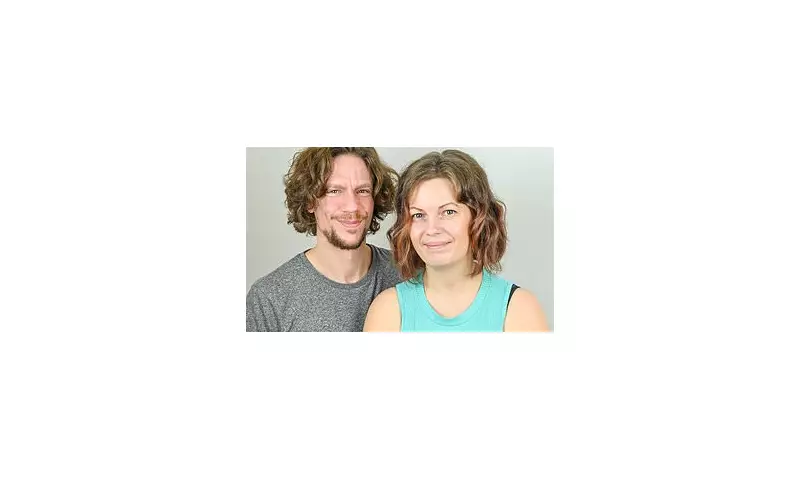
Mary Rich, aged thirty-six, reports that her breasts began developing rapidly when she reached puberty at thirteen years old, achieving a double-F cup size by the time she was sixteen. Growing up in Basingstoke, Hampshire, she endured bullying at school regarding her chest, receiving the cruel nickname 'Saggers' from peers.
Severe Pain and Initial NHS Application
By her early twenties, as her breasts reached a double-G cup, Mary started experiencing severe and debilitating back pain. In 2013, at twenty-four years old, she first approached the NHS about breast-reduction surgery. She was informed she would be eligible if she managed to lose weight and quit smoking, which she has since accomplished.

However, the physical damage caused by carrying the substantial weight of her breasts for more than two decades has now rendered her incapable of maintaining employment. After reapplying for the surgical procedure in December 2024 with a lower body mass index and improved health, she faced rejection once again.
Updated NHS Criteria and Current Struggles
The refusal came because she failed to meet new clinical criteria introduced last year. The revised NHS policy mandates that patients demonstrate a 'clinically significant history of intertrigo or ulceration' – a specific type of skin damage that Mary confirms she has never experienced.
She now relies entirely on Universal Credit benefits and requires daily assistance from her partner, Guy Firbank, forty-five, to perform basic tasks such as dressing and showering. Unable to afford private surgery, which typically costs between eight thousand and twelve thousand pounds, she fears her physical condition will continue to deteriorate significantly.
Personal Impact and Family History
Mary, who spent twenty years working in healthcare as a community carer and healthcare assistant, expressed her frustration, stating: 'People say, 'I'd pay to have boobs like yours'. I'm like, 'you can have them' – I am completely debilitated by the pain.'
She added: 'I'm only in my thirties but after carrying this weight for over twenty years, my spine has deteriorated so much and my body can't keep up. I have to spend days at home resting because my spine feels like it's burning, and I feel like I'm missing out on life.'
Mary revealed a concerning family history, noting: 'My mother and her mother before her both had large breasts and ended up in a wheelchair due to back and spine problems. I'm petrified I'll end up like them.'
Historical Challenges and Recent Developments
Throughout her teenage years, Mary attempted to conceal her chest with baggy clothing and avoided physical education changing rooms whenever possible. Despite having a slim size eight to twelve frame in her early twenties, the pain intensified, and she later developed a binge-eating disorder linked to childhood trauma.
When she initially applied for surgery, she was a size eighteen and received the requirement to reduce her BMI and quit smoking. In subsequent years, she struggled with addiction to opioid painkillers prescribed to manage her symptoms. By 2017, she had lost weight and stopped smoking, but poor mental health led her to use cannabis rather than pursuing surgery again.
Mary explained: 'My self-esteem was so low it didn't feel worth me trying.' She later weaned herself off drugs and cannabis, but reports that the pain has since become unbearable.
Financial and Medical Realities
She stopped working for the NHS in late 2024 with plans to establish a business as a menstrual cycle coach but has since had to pause those ambitions. Mary stated: 'I don't have the capacity to help others while I'm going through this.'
Physiotherapy assessments have confirmed lasting spinal damage from years of pressure, and she can only stand for a few hours daily before needing to lie down. Bras cost her forty-five pounds each, and without her partner's daily support, she says she would be unable to live independently.

She currently receives nine hundred ninety-five pounds monthly in Universal Credit and two hundred eighty-one pounds fortnightly in Employment and Support Allowance, while awaiting a decision on her application for Personal Independence Payment.
Official Response and Future Prospects
Her most recent application for surgery was rejected under the revised policy, with the NHS stating: 'Applications are only considered in exceptional circumstances where ALL current policy criteria are fully met. As you do not have documented evidence of intertrigo or ulceration unresponsive to treatment, your application is declined.'
Mary says she has instead been offered opioid medication and physiotherapy. She is now fundraising to pay for the surgery privately, arguing: 'Currently, I can't afford the surgery. The long-term financial impact on the NHS if I become disabled as a result of my breasts would far outweigh the cost of the surgery. If not for that policy change in 2024, I would likely have been approved.'
A spokesperson for NHS Hampshire and Isle of Wight commented: 'While the policy position did not fundamentally change when last updated in 2024, and we cannot comment on individual cases, we would be keen to hear from Mary Rich to understand her experience and the advice she has received over the past twelve years from local NHS services.'