Health Secretary Wes Streeting has unveiled a significant new policy for the NHS, but its delayed implementation may offer little immediate political relief for a Prime Minister described as being "on life support".
The Virtual Hospital Vision
On Tuesday 6 January 2026, Wes Streeting embarked on a media tour to promote his flagship NHS Online initiative. This policy, first announced in September, aims to create 'virtual hospitals' offering an estimated 8.5 million consultations via platforms like Zoom. The core idea is to free up traditional face-to-face appointments for patients who prefer them, while providing a convenient alternative for others.
Streeting presented the plan with characteristic confidence, using accessible language and a touch of humour. He emphasised patient choice, stating that no one would be forced to use the online service. His pitch was that those who opt for virtual appointments could help shorten waiting lists for those who don't, creating a scenario where "everyone's a winner".

A Stark Contrast in Communication
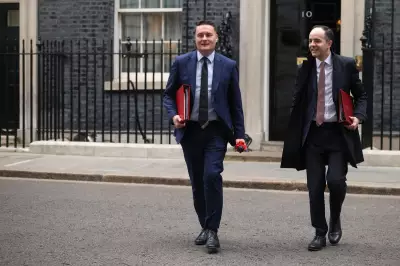
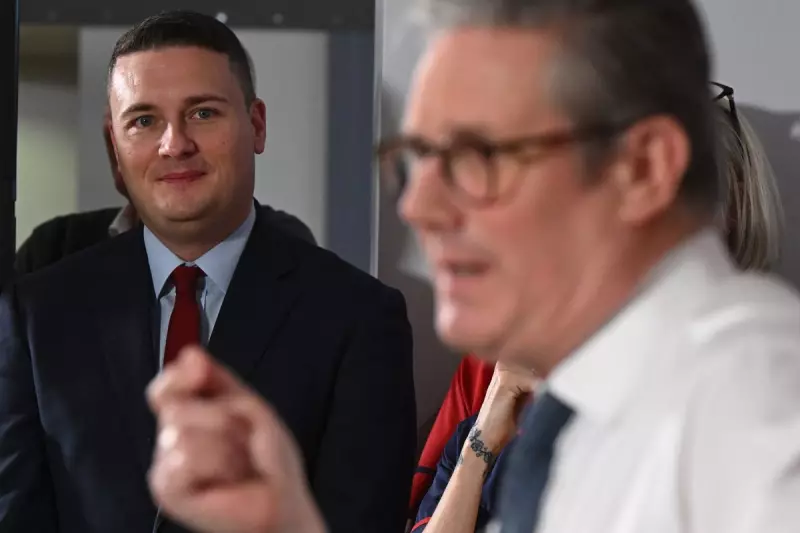
The Health Secretary's polished performance highlighted a growing contrast within the Labour government. Following his media appearances, Streeting attended a Cabinet meeting where Prime Minister Keir Starmer delivered a New Year address described as possessing "soul-crushing banality".
While Starmer's message about "turning the corner" and the hard work of getting the country "back on track" was factually unobjectionable, his delivery was widely perceived as dull, abstract, and unconvincing. The Prime Minister read his remarks from a script, even though the event was deemed important enough to allow cameras into the room.
In contrast, Streeting managed to discuss a specific, practical policy—even while praising Starmer's leadership and crediting him with the online hospital idea. Observers noted that this very act of competent explanation inadvertently further weakened the Prime Minister's standing.
The Political Timing Problem
The central issue for Starmer is one of political timing. The NHS Online service will not actually launch until 2027. However, the Prime Minister faces a much more immediate electoral test: the Scottish, Welsh, and English local elections are just 17 weeks away.
Starmer desperately needs tangible evidence that public services, particularly the NHS which polls show remains a top public concern, are improving. Streeting himself offered a cautious assessment, claiming "decent progress" after eighteen months and noting that waiting lists are coming down, albeit painfully slowly. He rightly pointed out that the last Labour government didn't see major NHS improvements until its second term.
Yet some indicators, like the resurgence of mixed-sex wards to record levels—a key measure of systemic pressure—show the service is still struggling in the wake of the pandemic.
The reform timetable for essential services like the NHS is fundamentally out of sync with the rapid pace of the political cycle. Even if voters were persuaded that the NHS was beginning to recover, there is no guarantee Starmer would receive the credit. Paradoxically, any perceived success might only bolster support for the more dynamic and communicatively effective Streeting to eventually take over as leader.
Thus, while Wes Streeting's virtual hospitals represent a potentially good idea for modernising the health service, they appear unlikely to arrive in time to resuscitate Keir Starmer's faltering premiership.