NHS Pioneers Sight-Saving Gene Therapy for Six-Year-Old Girl
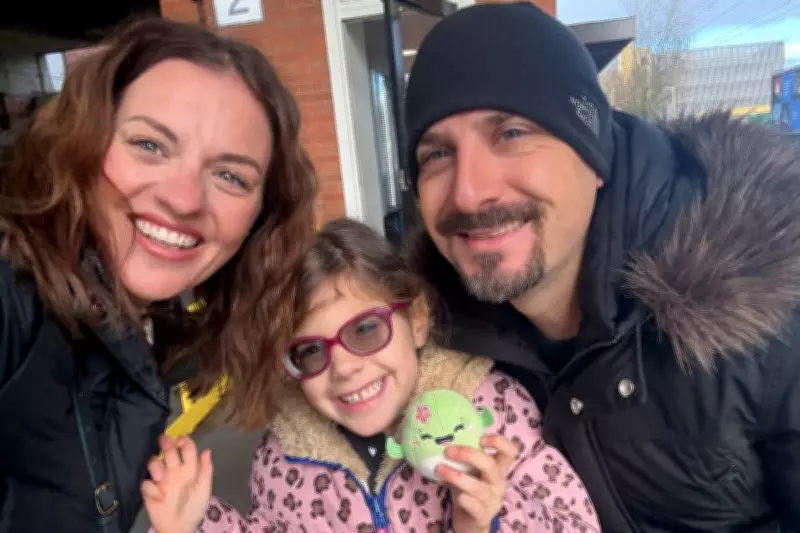
A six-year-old girl from Stevenage, Hertfordshire, has experienced a remarkable restoration of her vision thanks to a pioneering eye gene therapy provided by the National Health Service. Saffie Sandford, who was diagnosed with the rare inherited condition Leber's Congenital Amaurosis (LCA), has undergone this life-changing treatment, marking a significant milestone in pediatric ophthalmology.
Diagnosis and Treatment Journey
Saffie Sandford was diagnosed with LCA at the age of five after her parents, Lisa and Tam, noticed she was struggling to see in low-light conditions. Leber's Congenital Amaurosis is a genetic disorder that prevents cells in the eye from producing a specific protein essential for normal vision. Children with this condition typically have limited vision in daylight and are completely blind in the dark, with total sight loss often occurring by adulthood.
Following diagnostic tests at Moorfields Eye Hospital in London, Saffie was referred to Great Ormond Street Hospital (Gosh) for the innovative gene therapy known as Luxturna. This one-off treatment involves injecting a healthy copy of the gene directly into the eye, addressing one of the genetic causes of LCA. Saffie received the therapy in her first eye in April 2025 and in her second eye in September of the same year.

Life-Changing Impact
Saffie's mother, Lisa, described the diagnosis as a "huge shock", as the family was unaware they were carriers of the condition. She expressed immense relief and gratitude for the availability of the treatment on the NHS, noting that without it, Saffie would likely have been blind by the age of 30. "Before she had the treatment, her condition was really life-limiting," Lisa said. "She was blind in the dark, which made daily activities challenging."
The results have been transformative. Lisa likened the therapy to "someone waved a magic wand and restored her sight in the dark." Saffie, a Spider-Man fan, can now participate in evening activities such as trick-or-treating and dining out, which were previously impossible. Her peripheral vision in daylight has also improved, enhancing her ability to navigate hazards and excel at school. She enjoys typical six-year-old pursuits like playing on climbing frames, and her condition is no longer visibly apparent.
"The results have been incredible, and we are eternally grateful that our little girl has been given her sight back," Lisa added. "We know it might not last forever, but we feel fortunate every day that she has been given this chance."
Research and Clinical Insights
Researchers from Great Ormond Street Hospital and University College London (UCL) have recently published findings demonstrating that Luxturna can improve sight and strengthen visual pathways during critical stages of brain development. The study followed 15 children treated with the gene therapy at Gosh between 2020 and 2023, focusing on those with RPE65-related retinal disease.
The research revealed that while older children showed limited improvements in visual clarity, the youngest participants—treated as early as 15 months old—experienced more significant benefits due to the therapy's timing during a crucial period of visual development. To assess outcomes, the team utilized pattern visual evoked potentials (VEPs), a painless test that measures signal transmission from the retina to the visual cortex, offering an objective measure for young children or those with neurodevelopmental conditions.
Rob Henderson, a consultant ophthalmologist at Gosh, emphasized the breakthrough: "For the first time, we've been able to show objectively that gene therapy can strengthen the visual pathways in babies and young children who are living with this rare eye condition." He highlighted that even small visual improvements can profoundly impact families and noted the potential of pattern VEPs to set new standards for pediatric gene therapy trials globally.

Although Luxturna is not described as a cure, the medical team remains optimistic about long-term results, with ongoing data collection to monitor the drug's efficacy over time. This case underscores the NHS's role in advancing cutting-edge treatments for rare genetic disorders, offering hope to families affected by similar conditions.