
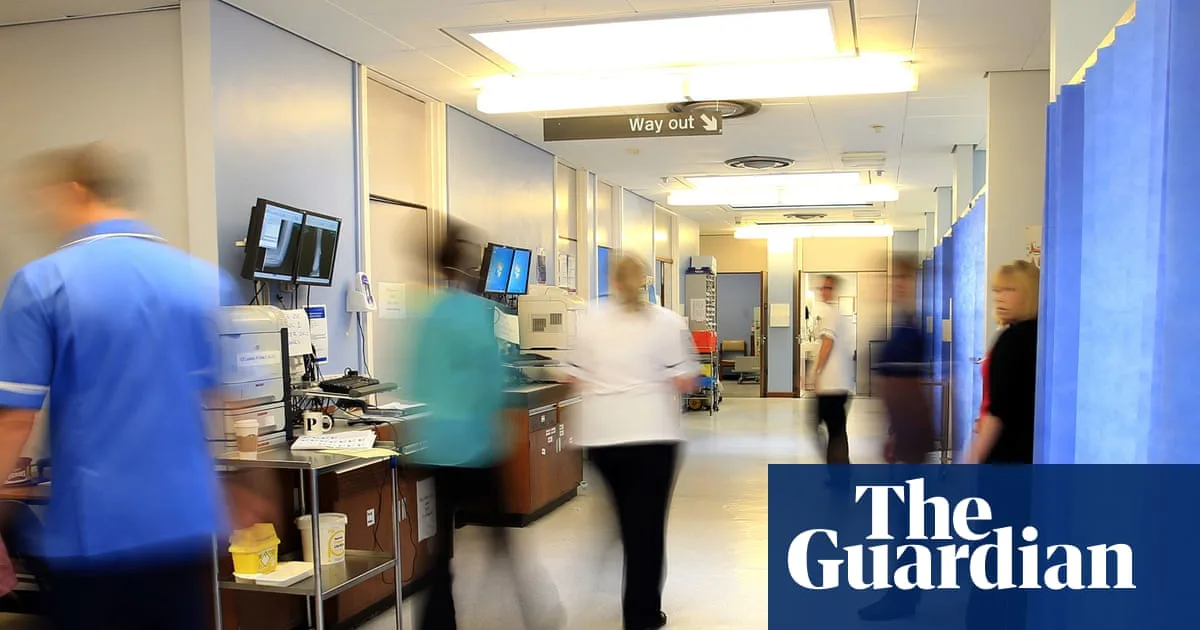
The NHS is preparing for its most severe winter crisis in the next fortnight as a 'flu-nami' of cases places hospitals, GP surgeries and ambulance services under intense strain. New data from NHS England shows an average of 2,660 flu patients were hospitalised daily last week, a 55% increase from the previous week and the highest ever recorded in early December.
Despite the record numbers, NHS leaders warn the worst is yet to come. Professor Meghana Pandit, joint medical director of NHS England, stated: 'The number of patients in hospital with flu is extremely high for this time of year. Even worse, it continues to rise and the peak is not in sight yet.' She added that a mutated and highly virulent H3N2 flu strain, combined with respiratory syncytial virus (RSV) and Covid, threatens to 'engulf hospitals'.
The crisis is compounded by a planned five-day strike by resident doctors starting next Wednesday, which Sir Jim Mackey, chief executive of NHS England, described as 'cruel', 'calculated' and designed to 'cause mayhem'. Prime Minister Keir Starmer and Health Secretary Wes Streeting have urged the British Medical Association to call off the strike, highlighting an improved pay offer made on Wednesday.
The UK Health Security Agency (UKHSA) reports worryingly low flu vaccine uptake among at-risk groups: only 37.4% of under-65s with long-term health conditions have been vaccinated, alongside 35.6% of pregnant women. In contrast, uptake among over-65s is higher at 71.7%. The UKHSA says ample vaccine remains available but time is running out to be protected before Christmas.
Experts urge vaccination and simple precautions. Dr Conall Watson of UKHSA reassured that the vaccine is effective against severe disease. Professor Ed Hutchinson of Glasgow University recommended masking, social distancing and working from home to reduce spread. Professor Shereen Hussein of the London School of Hygiene & Tropical Medicine advised people to check on older relatives and neighbours and get them vaccinated.




