

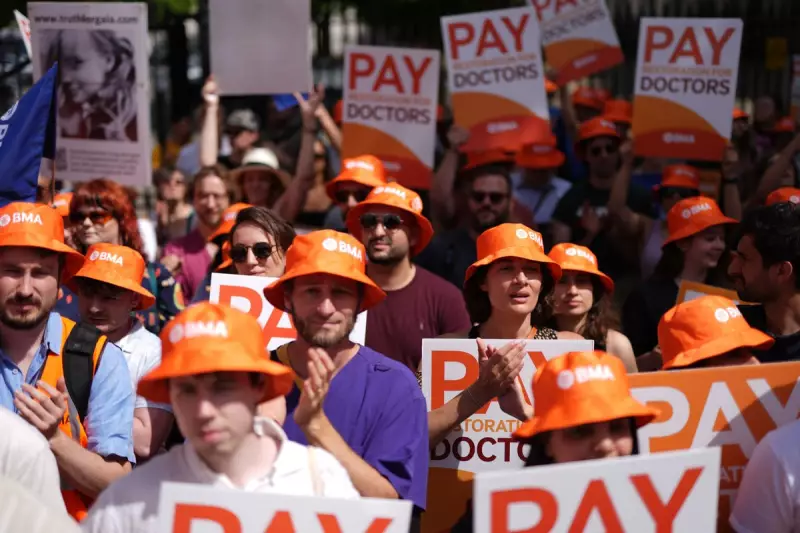
The National Health Service (NHS) is facing unprecedented strain as junior doctors continue their strike action, leaving hospitals understaffed and patients at potential risk. The industrial action, now in its fifth day, has led to cancelled operations, delayed treatments, and growing fears over emergency care capacity.
Impact on Patient Care
Hospital trusts across England report significant disruption to services, with some A&E departments operating at reduced capacity. Consultants have been drafted in to cover striking junior doctors, but many specialists warn this stopgap measure cannot be sustained indefinitely.
Key Concerns:
- Over 250,000 appointments and procedures postponed
- Emergency departments experiencing longer wait times
- Specialist services particularly affected
- Mental health services stretched to breaking point
Government and BMA at Loggerheads
The British Medical Association (BMA) maintains the strike action is necessary after failed negotiations with the government over pay and working conditions. Health Secretary Victoria Atkins has called for an immediate end to the walkouts, describing the situation as "deeply worrying" for patient safety.

Meanwhile, NHS England has issued guidance to hospitals on prioritising the most urgent cases, but many healthcare professionals report the system is operating in "crisis mode".
Public Reaction
While many patients express sympathy for junior doctors' demands, others voice frustration at the disruption to vital services. Patient advocacy groups warn that vulnerable individuals are bearing the brunt of the industrial dispute.
As the standoff continues, NHS leaders urge both sides to return to negotiations before the situation deteriorates further. With no resolution in sight, healthcare professionals brace for more challenging weeks ahead.






