
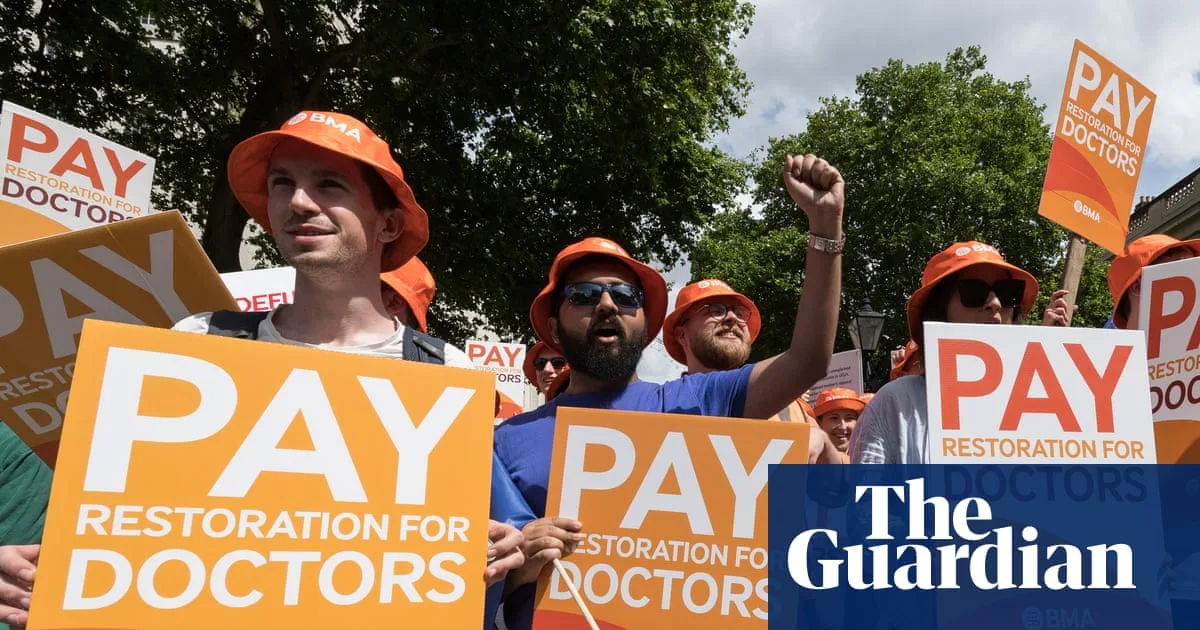
Hospitals in England are bracing for a fresh wave of industrial action by resident doctors, formerly known as junior doctors, as a ballot on a 29% pay rise draws to a close. The result, due on Tuesday, could trigger a series of strikes lasting up to six months, potentially leading to the cancellation of hundreds of thousands of appointments and operations.
The British Medical Association (BMA), which represents 55,000 resident doctors, has called the government's 5.4% pay award for this year 'derisory' and 'woefully inadequate'. It argues that a 29% increase over several years is needed to restore pay to 2008 levels, following a 23% real-terms loss in salary value. Previous industrial action, involving 44 days of strikes between March 2023 and July 2024, caused significant disruption, with many outpatient appointments and procedures cancelled.
Danny Mortimer, chief executive of NHS Employers, said health leaders did not want more industrial action, warning it would leave patients 'in pain and frustration'. He added: 'A decision to strike after the largest series of pay awards in the public sector would be a troubling development.' Rachel Power, chief executive of the Patients Association, supported the right to strike but urged both sides to find a solution, asking how the NHS could rebuild trust amid continued industrial action.
Dr Ross Nieuwoudt, co-chair of the BMA's resident doctors committee, said members were 'excited to go again', describing doctors as 'very upset and looking for change'. He and co-chair Dr Melissa Ryan have urged members to vote yes, stating: 'By voting yes they will be telling the government there is no alternative to fixing pay.' Health Secretary Wes Streeting, who previously ended strikes with a 22% pay rise for 2023-24 and 2024-25, has appealed to doctors to avoid further action, saying 'We can't afford to return to a continuous cycle of standoffs, strikes and cancellations.'
Daniel Elkeles, chief executive of NHS Providers, warned that strikes would force trusts to 'deal with disruption rather than devoting all their time to improving patient care'. A Department of Health and Social Care spokesperson reiterated the government's desire to work constructively with unions, noting that Streeting met the resident doctors committee on his first day in office. The threat of strikes comes as the government faces pressure to reduce hospital waiting lists and restore the 18-week target by 2029.




