

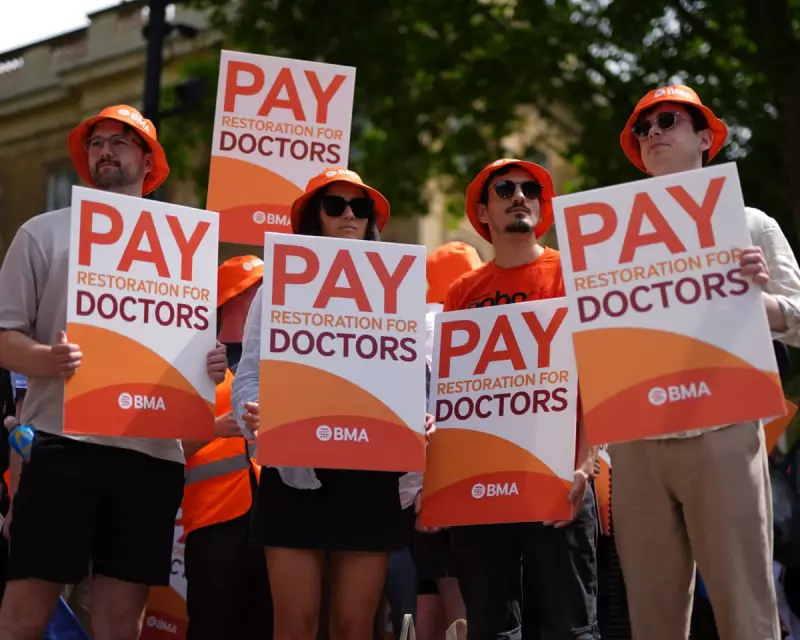
The National Health Service (NHS) is bracing for another wave of industrial action as junior doctors gear up for a fresh strike, plunging the already strained healthcare system into deeper turmoil. With waiting lists at record highs and public frustration growing, the political stakes for Labour couldn't be higher.
A Health Service on the Brink
Junior doctors across England are set to walk out for five days in what marks their eleventh strike since March 2023. This latest round of industrial action comes after months of failed negotiations between the British Medical Association (BMA) and the government over pay and working conditions.
"We're seeing a perfect storm brewing," says healthcare analyst Dr. Sarah Wilkinson. "An exhausted workforce, crumbling infrastructure, and political finger-pointing - it's a recipe for disaster."

The Labour Conundrum
For the newly elected Labour government, the timing couldn't be worse. Having campaigned on fixing the NHS, Prime Minister Keir Starmer now faces his first major test on healthcare policy. Critics argue the government's response has been lackluster, while supporters claim they inherited an impossible situation.
Key challenges include:
- Record-high waiting lists exceeding 7.5 million
- Chronic staff shortages across all specialties
- Aging hospital infrastructure needing urgent upgrades
- Growing public dissatisfaction with access to care
Patients Caught in the Crossfire
While politicians and doctors trade barbs, patients bear the brunt of the crisis. Routine appointments face cancellation, emergency departments overflow, and vital treatments get delayed. Cancer patient Margaret Haynes, 62, shares her ordeal: "I've waited eight months for surgery already. Every delay could be the difference between life and death."
NHS England has implemented contingency plans, prioritizing emergency and critical care during strike periods. However, health leaders warn the system operates on a knife-edge even during normal times.
What Comes Next?
With neither side showing signs of backing down, the stalemate appears set to continue. The BMA insists strikes will persist until their demands for full pay restoration are met, while the government maintains such increases are unaffordable.
As the standoff continues, questions mount about the long-term sustainability of the NHS model itself. With an aging population and advancing medical technologies placing ever-greater demands on the service, fundamental reforms may be inevitable.
For now, all eyes remain on the negotiating table - and the thousands of junior doctors preparing to once again take to the picket lines.






