
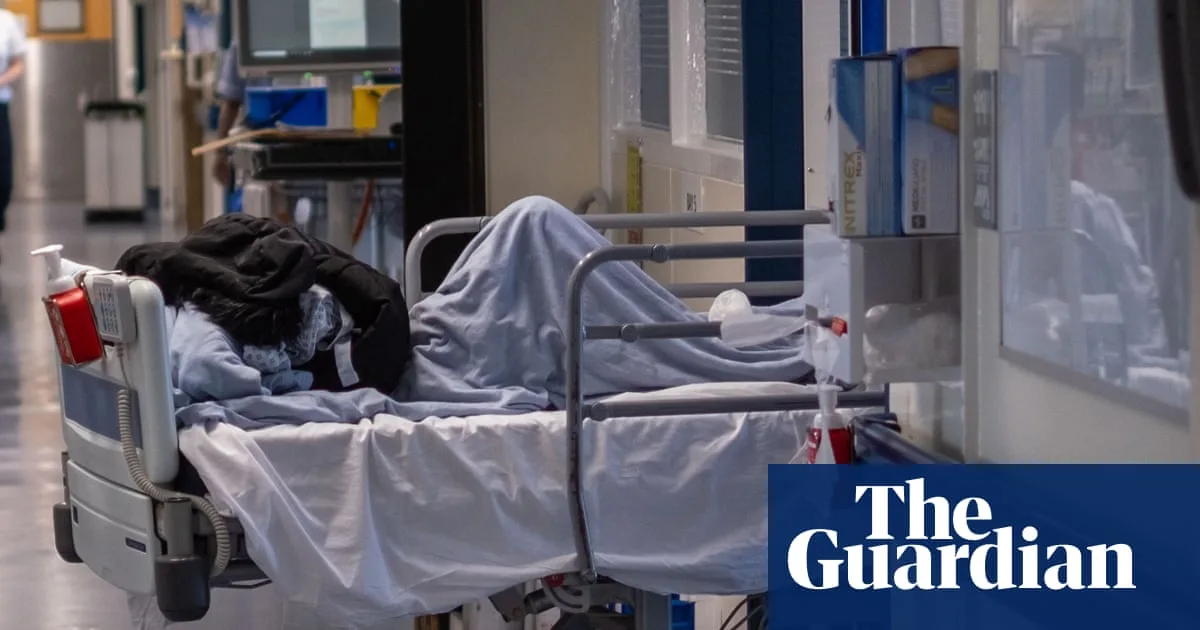
Corridor care in the NHS has become a year-round crisis, experts have warned, as new analysis reveals that nearly 3 million patients attended A&E departments in England during June and July. The figures, analysed by the Liberal Democrats, show a 15% increase in A&E attendances compared to 2015, reaching the highest level recorded over the past decade.
The data highlights a dramatic rise in 12-hour trolley waits, which were almost nonexistent a decade ago. In June and July 2015, only 47 such waits were recorded. This year, 74,150 patients waited at least 12 hours to be admitted, with 38,683 of those in June alone, representing 7.2% of all A&E attendances. Some hospitals reported even higher proportions, with more than a quarter of patients at five NHS trusts facing waits of 12 hours or more.
Helen Morgan, the Liberal Democrat health and social care spokesperson, described the situation as a 'permacrisis'. 'What was once a winter crisis has become a year-round disaster, with the health service buckling under pressure all year round,' she said. The Lib Dems have called for a winter emergency package, including increased vaccine uptake, expanded pharmacy access, and a recruitment drive for out-of-hours GPs.
Dr Adrian Boyle, president of the Royal College of Emergency Medicine, said the figures show there is no longer a summer respite for the NHS. 'If this is the level of demand we are experiencing now, what will winter look like?' he asked. He urged the government to commit to increasing ward beds and improving hospital discharge processes to end the 'shameful scenes' of patients stranded on trolleys in corridors.
Patricia Marquis, executive director for England at the Royal College of Nursing, added: 'An explosion in 12-hour waits is the clearest indicator that corridor care is now a year-round crisis.' She stressed that ministers must act urgently before winter to stop patients being placed in corridors, cupboards, and waiting rooms.
A Department of Health and Social Care spokesperson said the government inherited an emergency care system 'on its knees' but noted that A&E waits continue to improve despite increased demand. They highlighted nearly £450m invested to expand urgent and emergency care facilities, including same-day emergency care services, mental health crisis centres, and around 500 new ambulances.




