The National Health Service offers a comprehensive suite of cancer screening programmes designed to detect diseases at their earliest, most treatable stages. These initiatives are crucial for improving survival rates and health outcomes across the United Kingdom.
Understanding NHS Cancer Screening Programmes
Cancer screening involves tests to identify cancer before symptoms appear, allowing for timely intervention. Dr Rachel Orritt, health information manager at Cancer Research UK, emphasises that these programmes target specific age groups and risk factors, with variations across England, Scotland, Wales, and Northern Ireland.
Breast Screening: Mammograms for Early Detection
Breast screening primarily uses mammograms to detect breast cancer when it is too small to see or feel. Eligibility typically spans ages 50 to 70, with invitations sent every three years. However, individuals at higher risk due to family history or genetic mutations like BRCA1 and BRCA2 may qualify for earlier screening. Dr Orritt advises consulting a GP to assess personal risk levels.

During a mammogram, two X-ray images are taken of each breast from different angles. These are reviewed for abnormalities, and results indicate whether further tests are needed. Early detection through screening significantly increases the likelihood of successful treatment.
Cervical Screening: HPV Testing and Prevention
Cervical screening is offered to anyone with a cervix aged 25 to 64 in Wales, Scotland, and England, with invitations every five years. In Northern Ireland, the schedule differs: screenings occur every three years for ages 25 to 49, then every five years until 64. The test involves a nurse using a soft brush to collect cervical cells, which are checked for high-risk human papillomavirus (HPV), the primary cause of cervical cancer.
If HPV is negative, no further action is needed. A positive result leads to microscopic examination for cell changes. Dr Orritt notes that anxiety around this test is common and encourages discussing concerns with healthcare providers beforehand. The goal is prevention, aiming to stop cervical cancer from developing.
Bowel Screening: At-Home Faecal Immunochemical Tests
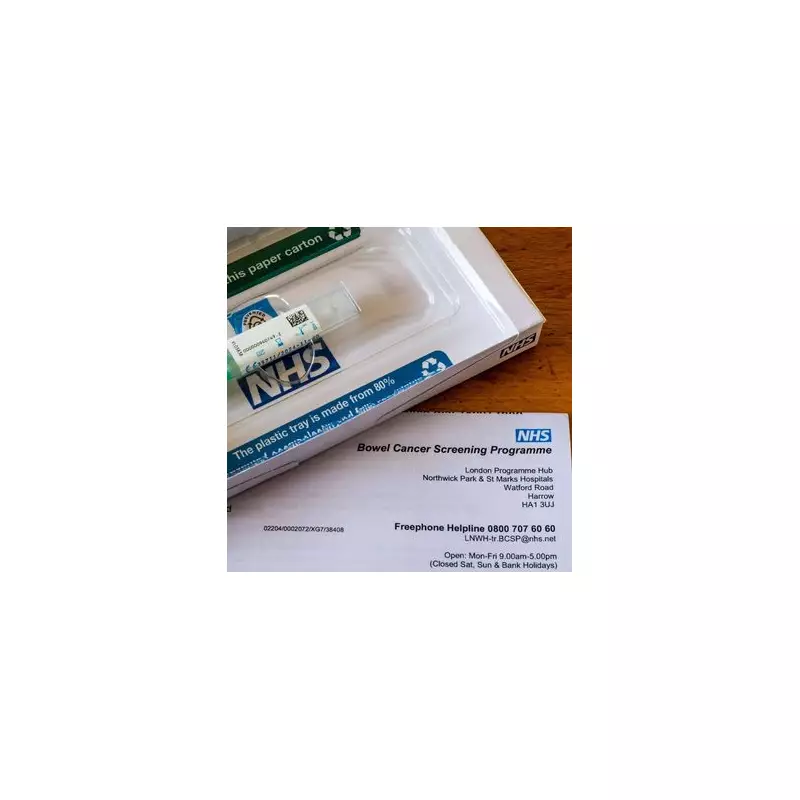
Bowel screening employs a faecal immunochemical test (FIT) to detect blood in stool samples, a potential sign of bowel cancer or precancerous changes. In most of the UK, this is offered to individuals aged 50 to 74 every two years, while in Northern Ireland, it targets ages 60 to 74. Those over 75 can request the test by contacting the bowel cancer screening helpline.
The FIT kit is used at home and returned by post for analysis. This programme helps find cancer early and identify bowel changes that could lead to cancer, enhancing treatment outcomes.
Lung Screening: Targeted CT Scans for Smokers
Lung screening is currently available in England for people aged 55 to 74 who currently smoke or have smoked in the past. Wales plans to introduce it, but it is not yet available in Scotland or Northern Ireland. Participants first undergo a risk assessment; those deemed higher risk are invited for a CT scan of the lungs.
This programme is in its early stages but aims to detect lung cancer at an early, more treatable phase. Dr Orritt highlights that it may take time to become universally accessible across the UK.
Practical Considerations for Screening
To receive screening invitations, individuals must be registered with a GP and ensure their address details are up-to-date. Invitations are typically sent by post, but digital methods like NHS app notifications are increasingly used. If eligible but not invited, contacting a GP is recommended to resolve issues such as incorrect records.
It is vital to remember that screening is for asymptomatic individuals. Those with symptoms or concerns should not wait for an invitation but consult a GP immediately. Dr Orritt stresses that early consultation can lead to prompt diagnosis and treatment.
For personalised guidance on which screenings may be appropriate, resources like screening checkers can provide additional information, helping individuals take proactive steps towards their health.