
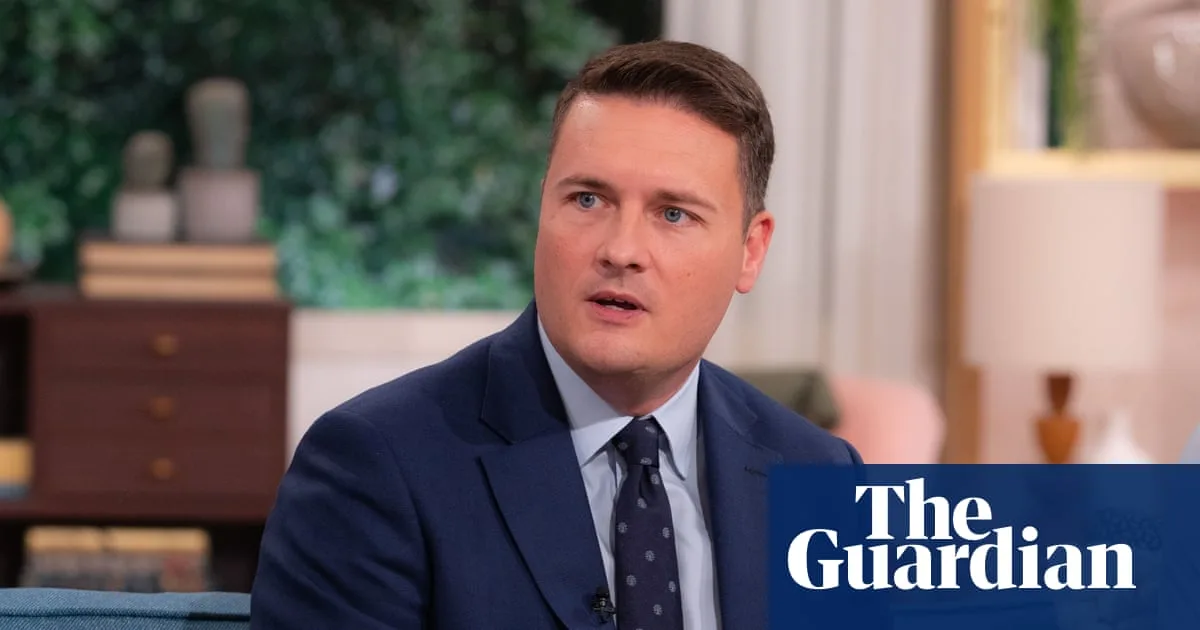
Health Secretary Wes Streeting is examining a student debt forgiveness scheme for junior doctors as part of efforts to prevent a five-day strike planned for 25 July. The Department of Health and Social Care is modelling how a new system could reduce the burden on younger doctors, who face student debts of up to £100,000.
Options under consideration include freezing interest on debt accrued during medical school, or cutting the overall debt by a set amount for each year a doctor works in the NHS in England. Advocates argue this would incentivise doctors to stay in the NHS rather than leave, and would improve their finances without triggering large pay rises that could prompt other public sector workers to demand the same.
The British Medical Association’s resident doctors committee, which represents 55,000 doctors in training, has been pushing for a 29% pay rise over several years to restore salaries to 2008 levels. Streeting has refused to reopen negotiations on the 5.4% pay award imposed in May, but has indicated willingness to address non-pay issues.
BMA co-chairs Dr Melissa Ryan and Dr Ross Nieuwoudt said they would consider any proposal on debt write-off, viewing it as “an element” of restoring value to doctors’ working lives. They noted that medical students can finish five years with debts of up to £100,000, followed by monthly repayments of up to 10% of salary for most of their careers.
Any scheme would require Treasury approval and could prompt other health unions to seek similar measures. The Royal College of Nursing previously proposed writing off 30% of nurses’ student debt after three years in the NHS, but the government said it had “no plans” for profession-specific forgiveness.
A Department of Health and Social Care spokesperson declined to comment on speculation, but confirmed Streeting is meeting the BMA on Thursday to discuss improving working conditions and urging them to call off the strike.




