
Figures from JustGiving show a dramatic increase in the number of cancer patients turning to crowdfunding to pay for treatments not available on the NHS. In 2016, 2,348 appeals were set up, a seven-fold rise on the previous year, raising over £4.5m compared to £530,000 in 2015.
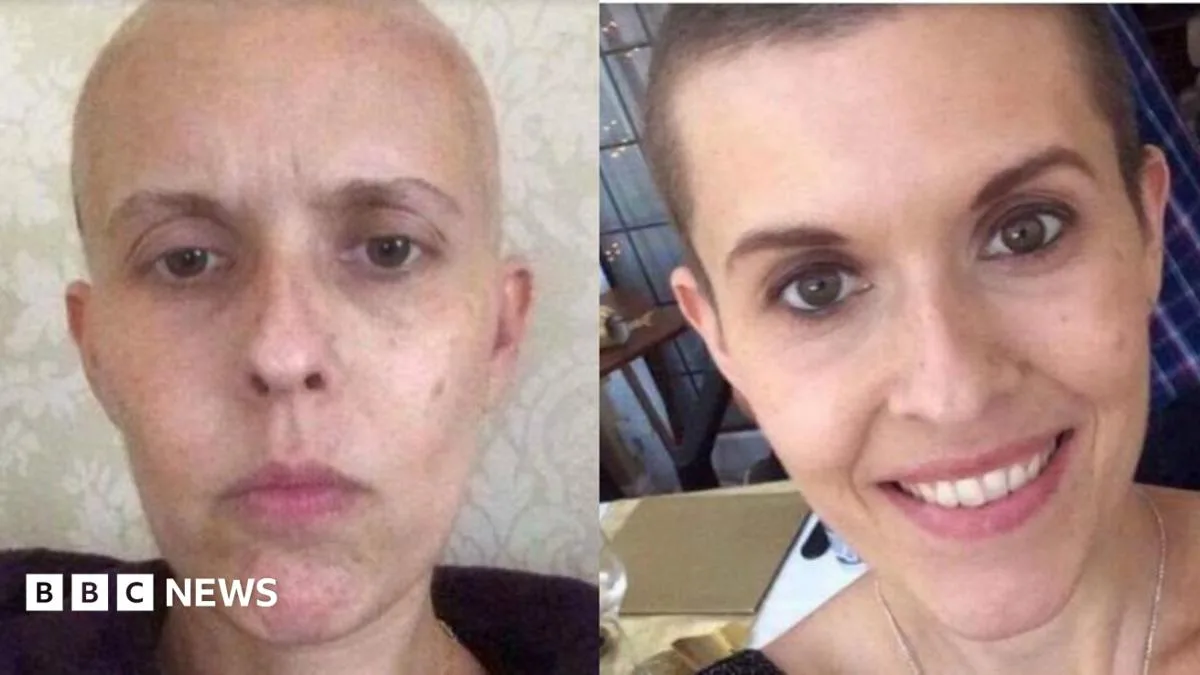
Liz Sheppard, a mother-of-three from Mansfield diagnosed with rare small cell stomach cancer in November 2015, has raised over £135,000 for immunotherapy at a private London centre. She has already spent around £60,000 and says she is responding well. 'Without that money I wouldn't be here,' she told the BBC.
The most popular destination for patients travelling abroad for treatment was the USA, with 404 people raising £1,393,490. Germany followed with 142 people raising £368,530, and Mexico with 23 people raising £69,660. Immunotherapy was the most commonly crowdfunded treatment.
Consultant oncologist Dr Clive Peedell expressed concern about the trend. 'The NHS is clearly under financial pressure... It is very worrying to see this trend of crowdfunding for cancer drugs. I worry that some patients may be trying to access treatment that may not be beneficial.'
An NHS England spokesperson highlighted improved survival rates and the new cancer drugs fund, stating patients can access 'promising, new and innovative treatments much quicker.'




