Minister Evades Commitment on HIV Funding Protection
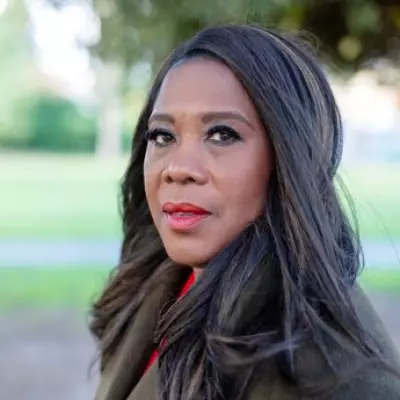
International Development Minister Jennifer Chapman has declined to confirm whether UK financial support for the global HIV response will be fully safeguarded from impending foreign aid reductions. The government is preparing to announce substantial cuts to international assistance over the next three years, raising concerns about Britain's continued leadership in combating the AIDS pandemic.
Parliamentary Questioning Reveals Uncertainty
During questioning by parliament's International Development Select Committee, Conservative MP David Mundell specifically inquired whether funding for crucial organisations like the Joint United Nations Programme on HIV/AIDS (UNAIDS) would be maintained. This questioning occurred as the government prepares to reveal where the aid cuts will fall across various international programmes and initiatives.
Baroness Chapman responded cautiously, stating: "I cannot say that everything you have listed will be protected... However, whatever [the allocations] are, I think our commitment to working alongside those organisations that have proved themselves effective is not going to change."

Significant Reductions Already Planned
The UK government is implementing a 40 percent reduction in total foreign aid spending, redirecting funds toward defence priorities. As part of this strategic shift, The Independent previously revealed a planned 15 percent cut to the Global Fund, the world's leading international provider of HIV prevention and treatment services.
This specific reduction, estimated at £150 million, could have devastating consequences. Health experts project that such cuts might result in approximately 255,000 preventable deaths, reversing years of progress in global HIV management and treatment accessibility.
Coalition Calls for Protection
A broad coalition of charities, advocacy groups, and parliamentarians has united to urge Prime Minister Keir Starmer to protect UK funding for the global HIV response. The campaign, supported by thousands of petition signatories, warns that failing to maintain financial commitments risks missing "the incredible opportunity to end the Aids pandemic within the next few years."
Notable organisations backing this call include the Elton John Aids Foundation, the National Aids Trust, Medecins Sans Frontieres, and the STOPAids coalition. Mr Mundell, who chairs the All-Party Parliamentary Group on HIV, AIDS and Sexual Health, has personally endorsed the campaign.
Progress Threatened by Funding Reductions
In 2024, global health authorities believed the world was on track to potentially end the AIDS pandemic by 2030. However, recent aid reductions from wealthy nations, including significant cuts from the United States, have placed this optimistic projection in serious jeopardy.
Data modelling indicates that if current funding programmes are dismantled or substantially reduced:
- Millions could die worldwide from preventable HIV-related complications
- Infection rates might return to levels not witnessed since the crisis peak 25 years ago
- Medication-resistant HIV strains could more than double in prevalence
Minister Highlights Changing Priorities
During the parliamentary exchange, Baroness Chapman indicated that the UK would likely need to reconsider how it supports various organisations working within the United Nations framework. She suggested that coordination between different funding mechanisms, including the Robert Carr Fund and UN agencies, required reevaluation.
"The way we co-ordinate and work through UN organisations, the Robert Carr Fund and others needs to be brought together," she explained. "We need to have conversations about what, in 2026, is the right way to get the impact, given the changes in technology and some of the shifts we are seeing more widely."
Multilateral Focus Amid Global Challenges
The minister further clarified that the UK intends to prioritise overseas aid for multilateral institutions like the World Bank and United Nations agencies. This strategic emphasis represents an effort to counter growing threats to international cooperation, including political pressures from figures like former US President Donald Trump.

"The multilateral system is coming into threat, and we can have a very long discussion about why that might be," Baroness Chapman noted. "But we feel there are some agencies that we really want to back."
This development occurs as the government balances competing priorities between international health commitments and domestic defence spending, with HIV organisations awaiting definitive funding announcements that will determine their operational capacity in coming years.