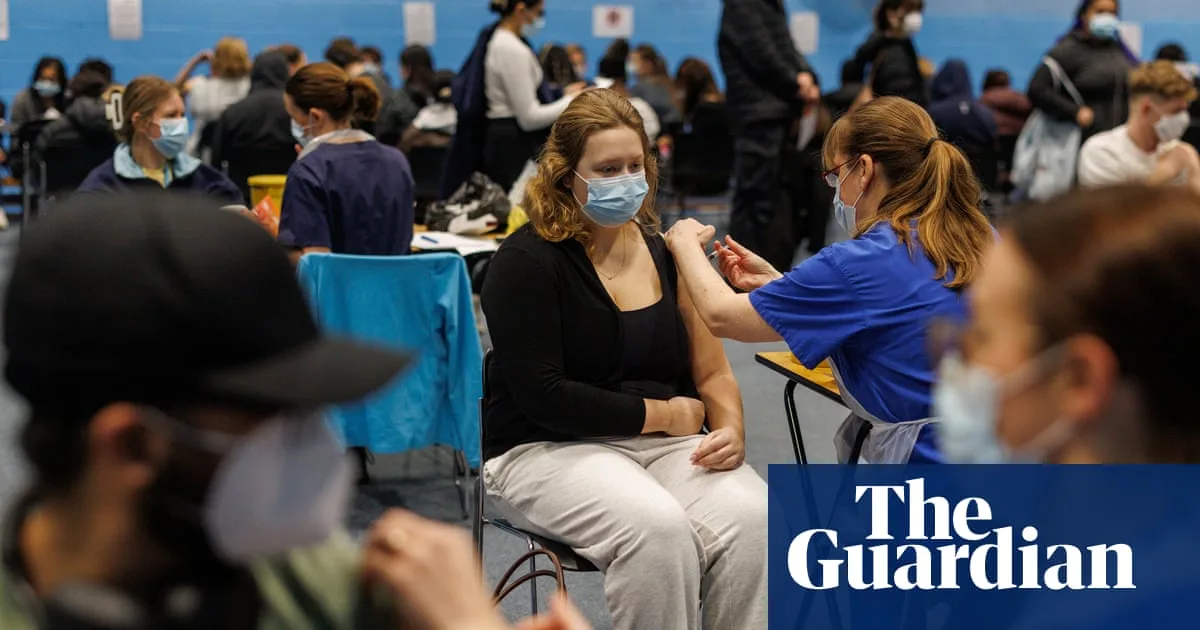
A meningitis outbreak in Kent, which has claimed the lives of two teenagers and hospitalised 18 others, has triggered a sharp increase in demand for routine vaccinations across England, according to health officials.
School immunisation services and pharmacies report a surge in bookings for the MenACWY vaccine, which protects against four strains of meningitis, as well as the Td/IPV jab for diphtheria, polio and tetanus. In Greater Manchester, parental consents for school vaccinations have risen by 40% compared to an average week, while Hertfordshire Community NHS Trust vaccinated 1,750 teenagers on 21 and 22 March alone.
The National Pharmacy Association and Royal College of GPs say the outbreak has prompted families to check vaccination records and catch up on missed jabs. NPA chair Olivier Picard described the trend as “an unintentional but encouraging consequence” of the outbreak. RCGP chair Professor Victoria Tzortziou Brown noted that “general practice teams and school immunisation services are already seeing increased interest”.
Berkshire Healthcare NHS Foundation Trust reported a fivefold increase in phone calls, with over 780 calls answered between 16 and 18 March, compared to a usual weekly average of 150. Parental consent for routine teenage immunisation in Berkshire rose from 90% to nearly 92%, with 560 new bookings for upcoming clinics.
Experts warn that routine vaccination rates remain below target, with only 72% of Year 9 pupils in England having received the MenACWY or booster Td/IPV jabs in the 2024-25 academic year, far short of the recommended 95%. Professor Saul Faust of the University of Southampton said the outbreak serves as a “sad” reminder of the seriousness of vaccine-preventable diseases.