Health Chief Warns of Rising Meningitis Cases in 'Unusual' Kent Outbreak
Health leaders have issued a stark warning that the number of meningitis cases connected to an outbreak in Kent is likely to increase, as experts probe whether the bacteria responsible has developed enhanced transmission capabilities. Professor Robin May, the chief scientific officer at the UK Health Security Agency (UKHSA), described the situation as "a very unusual outbreak", highlighting its atypical nature compared to typical sporadic cases.
Outbreak Details and Expected Rise
On Wednesday morning, the UKHSA announced five new meningitis cases, bringing the total under investigation to 20. New figures scheduled for release on Thursday morning are expected to push this number even higher. Speaking to BBC Breakfast, Professor May stated, "I would say in outbreaks like this, you would typically expect a small increase in numbers still to go so I suspect that number will go up slightly." He emphasised that while the UK usually sees about one sporadic case daily, this outbreak involves a much larger cluster, all seemingly originating from a single event at a nightclub in Canterbury.
Possible Causes and Transmission
Professor May outlined two potential reasons for the unusual spread. "One is that there might be something about the kind of behaviours that individual people are doing. The other possibility is the bacteria itself may have evolved to be better at transmitting," he explained. The bacteria, which can cause meningitis, is transmitted through close contact, such as sharing utensils, cups, or vapes, and via saliva or kissing. However, he reassured the public that it is not airborne like Covid-19 or flu, and does not survive long on surfaces, meaning risks are low in settings like public transport unless there is prolonged, intimate contact.

Vaccination and Response Efforts
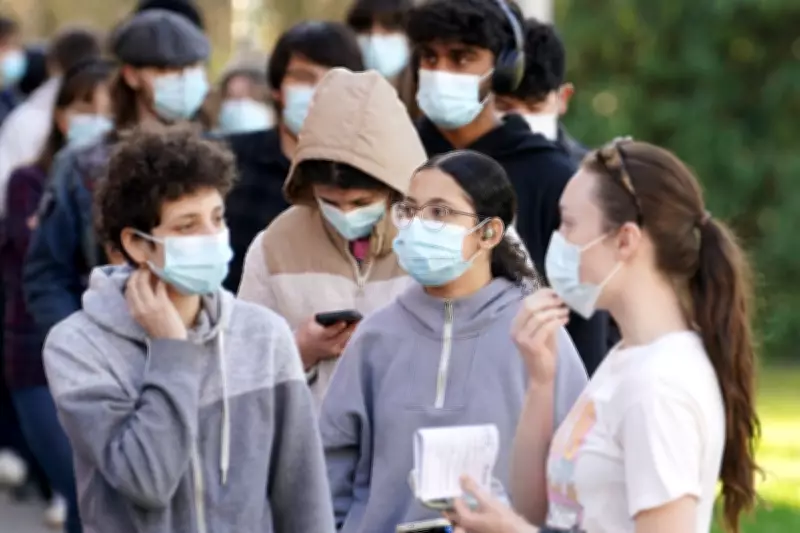
In response, 600 meningitis B vaccines have been administered at the University of Kent's Canterbury campus, with hundreds of students queuing at the sports centre. Recipients must return for a second dose after at least four weeks, and 6,500 antibiotics have been distributed as a precaution. Around 5,000 campus students are eligible for the jab and are urged to come forward for immediate antibiotic protection and longer-term vaccine immunity. The outbreak has already led to tragic outcomes, with one school pupil and one university student dying, and 18 more cases under investigation, including some young people placed in induced comas.
Expert Insights and NHS Alert
Consultant virologist Dr Chris Smith noted that while many people carry the bacteria, severe clinical disease is rare. "What's unusual about this case is we've gone from something which we know happens but doesn't normally translate into severe clinical disease, suddenly, with one event, translating into a lot of people who've developed the invasive infection," he said. Genetic sequencing is underway to determine if the bacterium has acquired "additional superpowers".
The UKHSA has issued an alert to NHS staff across England, urging vigilance for signs and symptoms of meningitis, particularly in young people aged 16 to 30. The alert emphasises that the illness in this outbreak "has been severe with rapid deterioration" and recommends infection control measures, such as face masks and PPE, before antibiotics are administered. It does not indicate a nationwide spread, but focuses on the Kent area.
Broader Impact and Public Advice
Confirmed or suspected cases have been reported at two universities and five schools, including Canterbury Christ Church University. GPs nationwide have been instructed to prescribe antibiotics to anyone who visited Club Chemistry in Canterbury from March 5-7, as well as University of Kent students, to ensure treatment for those who have left campus. The UKHSA assured that NHS stocks of meningitis B vaccines are sufficient, despite reports of private pharmacy shortages.

Dr Anjan Ghosh, Kent County Council's director of public health, advised calm, stating, "The main advice is there's no reason to be anxious. This is a disease. It's not Covid. It doesn't spread the same way that Covid or measles spread." He stressed that transmission requires close, protracted contact and urged people to seek immediate medical attention if symptoms appear or if they have been in close contact with a case.
As the investigation continues, health officials remain on high alert, working to contain the outbreak and protect public health through targeted vaccinations and antibiotic prophylaxis.