Meningitis Alert: Optician Reveals Four Overlooked Eye Symptoms
An optician has disclosed four little-known signs of meningitis that can manifest in the eyes, warning that these symptoms are often "overlooked" and could lead to permanent vision changes. Meningitis is a serious infection affecting the protective membranes surrounding the brain and spinal cord, known as the meninges. While it can impact anyone, it is most prevalent among babies, young children, teenagers, and young adults.
Without prompt treatment, meningitis can become extremely dangerous, potentially causing life-threatening sepsis and resulting in permanent damage to the brain or nerves. This alert comes as health authorities in the UK confirm a meningitis outbreak in Kent, with nine laboratory-confirmed cases and 11 under investigation by the UK Health Security Agency (UKHSA), bringing the total to 20 cases as of 5pm on March 17.
Details of the Kent Outbreak
Six of the confirmed cases are identified as group B meningococcal disease. Tragically, two people have died: a sixth-form student and a university student. Additionally, the UKHSA reports that one individual who had lived in Kent presented with the illness at a London hospital, highlighting the potential spread of the infection.
Eye Symptoms That Could Signal Meningitis
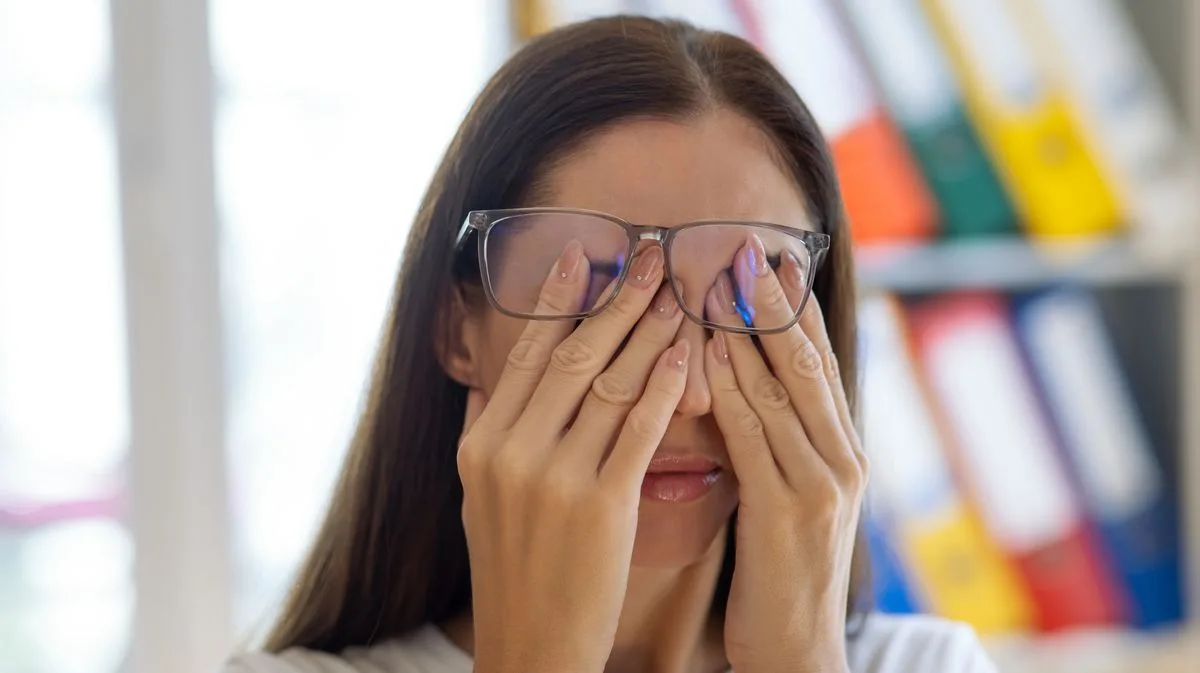
Krina Halai, a dispensing optician at Feel Good Contacts, emphasized that while meningitis is often associated with symptoms like a rash or stiff neck, earlier warning signs can be more subtle and mistaken for common illnesses such as the flu or migraines. She explained that certain symptoms can specifically affect the eyes, including:
- Blurred vision
- Double vision
- Difficulty concentrating
- Eye strain
This advice is supported by Meningitis Now, which cautions that visual problems caused by meningitis can be permanent. The organization notes that meningitis can damage the optic nerve, which carries visual signals to the brain, leading to loss of vision or changes in visual perception. While some people experience temporary visual changes due to increased pressure on the optic nerve, if the nerve is damaged, any sight loss or visual alterations are likely to be permanent.
Sensitivity to Light as a Key Indicator
Krina also highlighted sensitivity to light, known as photophobia, as a symptom people may not immediately associate with meningitis. This condition can make artificial lighting or daylight feel uncomfortable or even painful to look at. She explained, "This happens because meningitis causes inflammation of the protective membranes surrounding the brain and spinal cord. This irritation can affect the nerves connected to the eyes, leading the eyes to register the sensation of light as pain." Other symptoms of photophobia include excessive squinting, eye discomfort or difficulty focusing, and severe headaches.
NHS Guidance on Meningitis Symptoms
According to the NHS website, symptoms of meningitis develop suddenly and can include:
- A high temperature (fever)
- Being sick
- A headache
- A rash that does not fade when a glass is rolled over it (though a rash may not always develop)
- A stiff neck
- A dislike of bright lights
- Drowsiness or unresponsiveness
- Seizures (fits)
The NHS cautions that these symptoms can appear in any order and not all symptoms may be present. It is crucial to trust your instincts and seek medical help immediately if meningitis is suspected.
When to Seek Medical Assistance
You should dial 999 for an ambulance or go to your nearest A&E "immediately" if you suspect you or someone in your care might have meningitis or sepsis. The NHS states, "Trust your instincts and do not wait for all the symptoms to appear or until a rash develops. Someone with meningitis or sepsis can get a lot worse very quickly." For less urgent concerns, call NHS 111 for advice, especially if you think you may have been exposed to someone with meningitis. If symptoms worsen after seeking medical advice, it is essential to get help again promptly.




