Family Blames Medical Cannabis Addiction for Man's Suicide After £1,000 Monthly Habit
Medical Cannabis Addiction Led to Man's Suicide, Family Says

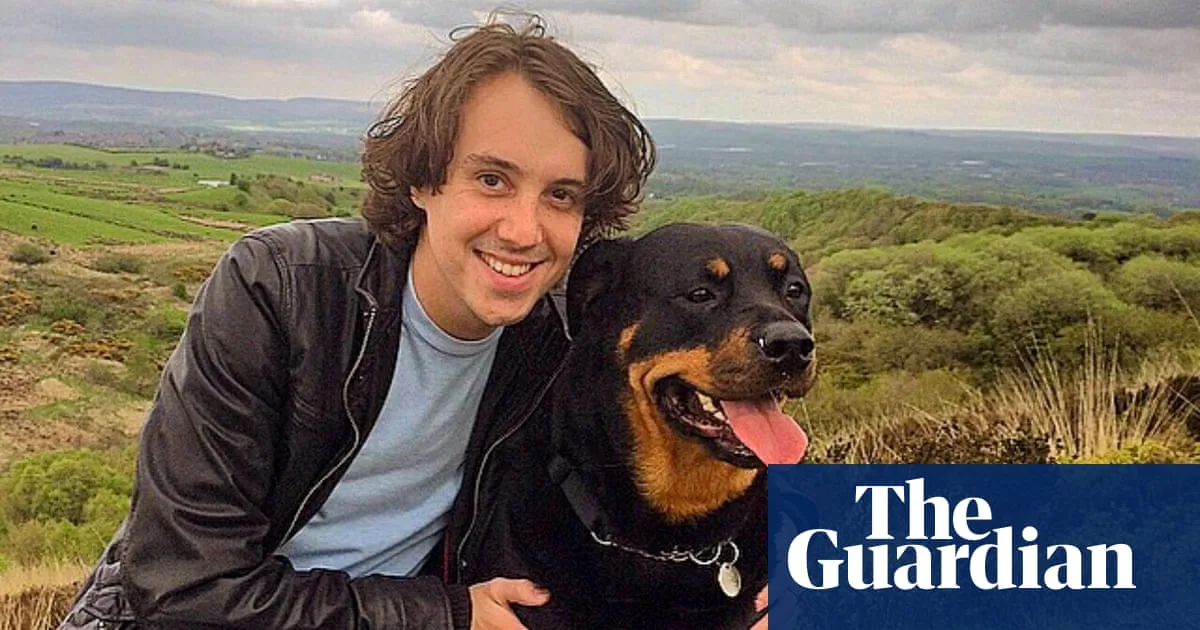
The grieving family of a man who took his own life after developing a devastating £1,000-per-month addiction to medically prescribed cannabis have spoken out, saying he was 'driven to the depths of despair' by the drug. Oliver Robinson, a 34-year-old former property developer, was found hanged at his home in Bury, Greater Manchester, in November 2023, following an 18-month downward spiral that began after just one video consultation with a private cannabis clinic.

A Tragic Downward Spiral

Mr Robinson had a history of mental health struggles, including depression, anxiety, bipolar disorder, and suicidal thoughts. After a suicide attempt in 2019, he received treatment from the NHS and the Priory Wellbeing Centre in Manchester, where he was prescribed anti-depressants. However, in April 2022, he underwent a Zoom consultation with Curaleaf, a private cannabis clinic, and subsequently became hooked on their products.

The Role of Private Cannabis Clinics

While medical cannabis was legalised in the UK in 2018 for specific NHS use—such as treating children with severe epilepsy or nausea from chemotherapy—this move inadvertently paved the way for private clinics to prescribe unlicensed products. These products have not undergone the strictly controlled medical trials required for licensed medicines. The Medicines and Healthcare Products Regulatory Agency permits the supply of unlicensed medicines when no licensed alternatives meet a patient's clinical needs, as determined by the prescriber.

In Mr Robinson's case, the coroner, Catherine McKenna, ruled that he died by misadventure, citing 'emotional dysregulation' and a 'psychological dependence on cannabis' obtained from both illicit sources and the private clinic. She issued a Regulation 28 report to Curaleaf, urging action to prevent future deaths. This is believed to be the first instance where medical cannabis has been formally found to have contributed to a death.

Family's Heartbreaking Account

Mr Robinson's brother, Alexander Robinson, a 38-year-old tech consultant, has called for tighter regulations, stating, 'If these cannabis clinics did not exist in the first place, my brother would still be alive today. He was driven to the depths of despair by medical cannabis and the addiction it caused.' He described how Oliver spent up to £1,000 monthly on the drug and, when unable to access enough, experienced fits of rage and anger that were unprecedented to his family and NHS doctors.

Alexander added, 'Oliver was committed to getting better... but he became unrecognisable from the kind, generous, and loving brother and son that we knew.' The family believes the industry prioritises profit over patient care, with Alexander noting, 'You trust doctors and health providers to first do no harm, but it seems to me that in Oliver's case profit was prioritised.'

Concerns Over Prescribing Practices

The inquest revealed troubling details about Mr Robinson's treatment. Dr Urmila Bhoskar, a consultant child psychiatrist at Curaleaf who conducted the Zoom consultation, has been referred to the General Medical Council after it was disclosed she was not qualified to treat an adult. Mr Robinson's prescriptions included products like Spectrum Red and High Silver, with THC levels as high as 27 percent—significantly more potent than the 15 percent typically found in street cannabis.

Despite being under the care of consultant psychiatrist Dr Richard Haslam at the Priory, who advised against cannabis use, Mr Robinson continued his habit. NHS data shows a sharp rise in unlicensed cannabis prescriptions, from 282,920 in 2023 to 659,293 in 2024, with private clinics like Curaleaf accounting for 99 percent of medical cannabis prescriptions in Britain, according to the Care Quality Commission.

Expert Criticism and Calls for Reform

Leading psychiatrist Professor Sir Robin Murray of King's College Hospital, London, condemned the practices, stating, 'These clinics are nothing more than drug dealers for the middle classes. What is happening is not what the legislation hoped to achieve—it has become a money-making business.'

In response, Curaleaf acknowledged the coroner's conclusions and the Regulation 28 report, pledging to consider it carefully. A Department of Health and Social Care spokesman emphasised that the NHS only offers cannabis-based medicines proven safe and effective by regulators, with prescribing decisions left to the responsible doctor.

The family's tragedy has sparked calls for legal reforms to close gaps in legislation that allow for commercial exploitation, aiming to prevent others from enduring similar suffering.




