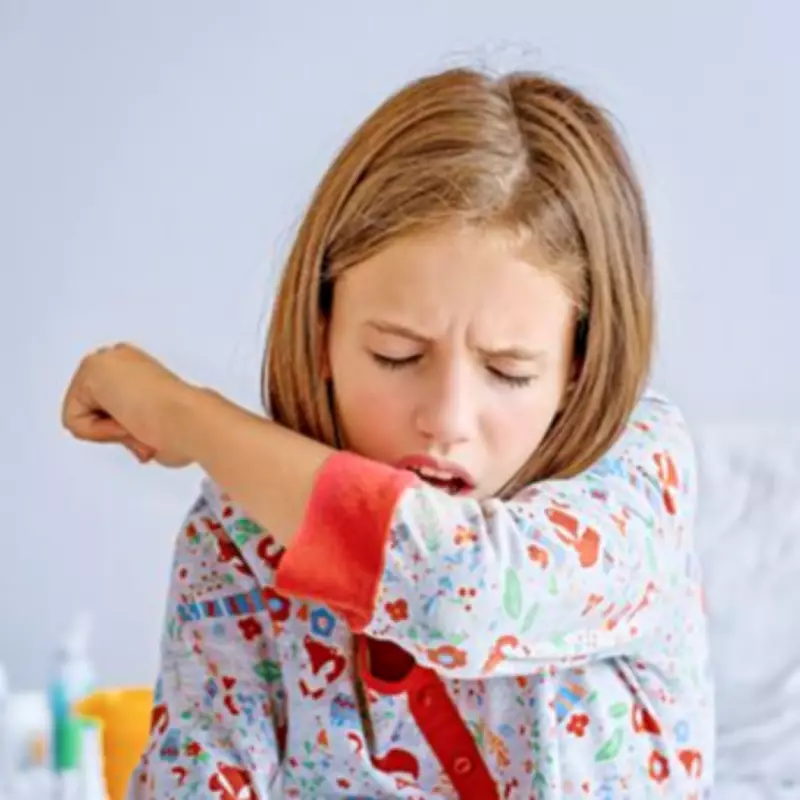
Five Early Measles Symptoms Beyond the Rash Amid UK School Outbreak
Health authorities are issuing urgent warnings about five early signs of measles that typically appear before the characteristic rash, as a concerning outbreak spreads through schools in the United Kingdom. Many people may not realise that the initial indicators of this potentially serious infection often mimic common cold symptoms rather than presenting with skin manifestations immediately.
Current Measles Situation in the UK
According to the latest data from the UK Health Security Agency, England has recorded 130 laboratory-confirmed measles cases since January 1st of this year. This follows a troubling pattern from previous years, with 959 cases reported throughout 2025 and 2,911 cases in 2024, representing the highest annual total since 2012.
Earlier this month, health officials confirmed a rapidly spreading outbreak affecting several North London schools, primarily impacting unvaccinated children under the age of ten. The National Health Service cautions that measles can lead to severe complications when it spreads to other body systems, particularly affecting the lungs or brain.

Potential Complications and Historical Context
Measles can trigger serious health consequences including pneumonia, meningitis, vision loss, and convulsions in vulnerable individuals. Between 2019 and 2025, there were twenty deaths attributed to measles in the UK, matching the total recorded during the entire nineteen-year period from 1999 to 2018.
Between 2021 and 2023, the United Kingdom was considered to have successfully eliminated measles through vaccination efforts. The recent resurgence of infections has been directly linked to a significant decline in vaccination uptake across the population.
In January, the UK Health Security Agency stated: "Uptake of the routine childhood vaccinations is the lowest it has been in a decade and is well below the 95 per cent uptake needed to protect the population and prevent measles outbreaks. This is giving measles a chance to get a foothold in our communities."
Early Warning Signs of Measles
While most people associate measles with its distinctive rash, the initial symptoms often resemble those of a common cold. According to NHS guidance, measles typically begins with cold-like manifestations, followed by the appearance of a rash several days later. Some individuals may also develop small spots inside their mouth during the early stages of infection.
The five primary early symptoms of measles include:
- A high temperature or fever
- A runny or blocked nasal passage
- Frequent sneezing
- A persistent cough
- Red, sore, and watery eyes
Characteristics of the Measles Rash
When the measles rash does appear, it typically follows these patterns:
- The rash usually begins on the face and behind the ears before spreading to other parts of the body
- The spots may become raised and often join together to form blotchy patches
- Unlike many other rashes, measles spots are generally not itchy
- The rash appears brown or red on white skin but may be more difficult to detect on brown and black skin tones
The NHS advises seeking an urgent GP appointment or contacting NHS 111 if you suspect you or your child may have measles. "Measles can spread to others easily. Call your GP surgery before you go in. They may suggest talking over the phone or arrange for you to come to a part of the surgery where you're separated from others," the health service recommends.
Prevention and Containment Measures
Measles spreads through respiratory transmission when an infected person breathes, coughs, or sneezes. The infectious period begins approximately four days before the rash emerges and continues until four days after the rash has developed.
To limit transmission, the NHS recommends staying away from school or work for at least four days after the rash first appears. Official guidance states: "Stay off nursery, school or work for at least four days from when the rash first appears. Also try to avoid close contact with babies and anyone who is pregnant or has a weakened immune system."
Additional preventative measures recommended by health authorities include:

- Opening windows and doors to improve ventilation while ensuring safety for young children
- Frequent hand washing with soap and warm water
- Using tissues when coughing or sneezing and disposing of them immediately
- Avoiding sharing cutlery, cups, towels, clothing, or bedding
Vaccination as Primary Protection
The most effective protection against measles remains the MMR (measles, mumps, and rubella) vaccine. The MMRV vaccine, which also includes protection against chickenpox, is offered to all young children in the United Kingdom as part of routine immunisation schedules.
The MMR vaccine is also recommended for adults and older children who were not vaccinated during childhood. Individuals uncertain about their vaccination status should consult their GP surgery, where the vaccine can be administered free of charge through the National Health Service.