Measles Transmission Officially Re-Established in the United Kingdom
The United Kingdom has lost its hard-won status as a country that had eliminated measles, according to a significant announcement from global health authorities. The World Health Organisation has confirmed that measles transmission has been officially re-established within the UK as of 2024. This alarming development follows a concerning plateau in childhood vaccination coverage and a substantial surge in confirmed cases across the nation.
A Sharp Reversal in Public Health Status
From 2021 through 2023, the UK proudly held the designation of having eliminated the highly contagious disease. This status is granted when a country interrupts continuous, endemic transmission for at least 36 months. The recent reversal underscores the fragility of such public health achievements when immunisation rates begin to falter. Official data reveals that 3,681 measles cases have been recorded across the country this year, signalling a clear and present danger to community health.
Dr Vanessa Saliba, a consultant epidemiologist at the UK Health Security Agency, issued a stark warning regarding the situation. “Infections can return quickly when childhood vaccine uptake falls,” she stated. “Measles elimination is only possible if all eligible children receive two MMRV doses before school. Older children and adults who missed vaccination must be caught up.”

Vaccination Rates Plunge to Lowest Levels in Over a Decade
The latest immunisation statistics for England paint a worrying picture of declining protection. Data from the UKHSA for the 2024/25 period shows that:
- 91.9% of five-year-olds had received one dose of the MMR vaccine, unchanged from the previous year and representing the lowest level since 2010/11.
- Only 83.7% of five-year-olds had received both recommended MMR doses, a slight decrease from 83.9% the year before and the lowest coverage recorded since 2009/10.
These figures fall critically short of the World Health Organisation's benchmark. The WHO recommends that at least 95% of children receive both vaccine doses for each illness to establish effective herd immunity and prevent outbreaks within the population.
NHS Implements New Strategies to Boost Uptake
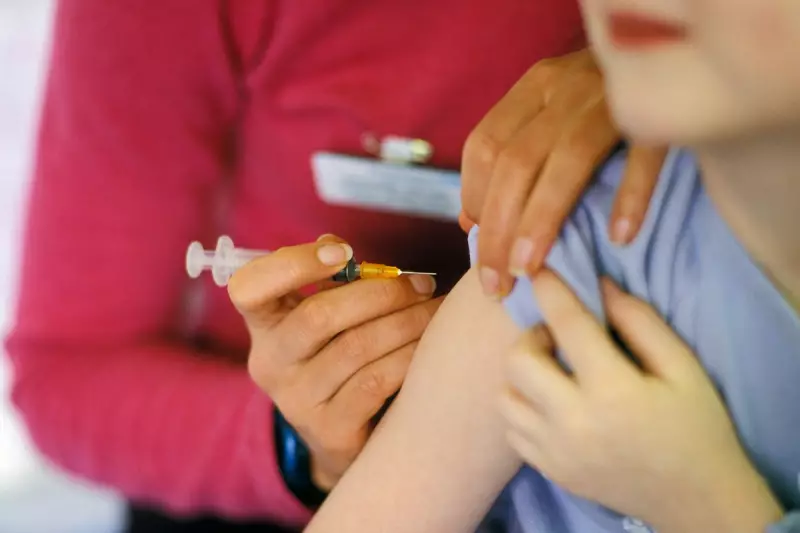
In response to the growing crisis, health officials and the NHS have announced new measures designed to make vaccination more accessible and convenient for families. A key change involves the introduction of the combined MMRV vaccine, which protects against measles, mumps, rubella, and now also chickenpox (varicella).
Furthermore, to support elimination goals, the NHS is streamlining the vaccination schedule. “The NHS is making vaccination easier, including offering the second MMRV dose earlier at a new 18-month appointment to boost uptake,” Dr Saliba explained. This proactive adjustment aims to close immunity gaps before children enter school environments where viruses can spread rapidly.
Understanding the Serious Threat of Measles
Measles is recognised as one of the most contagious diseases known to affect humans. Its transmission potential is staggering, with every infected individual capable of spreading the virus to 12 to 18 others who lack immunity. The virus can survive in the air for up to two hours, meaning people can inhale it long after an infected person has left a room.
The illness typically begins 7 to 14 days after exposure, with initial signs including:
- High fever
- Runny nose
- Cough
- Conjunctivitis (red, watery eyes)
A distinctive rash usually follows, starting on the face or neck and spreading over the body to the hands and feet over three days. Medical professionals note that on darker skin tones, the rash may be less visible, potentially delaying diagnosis.
Potential for Severe and Long-Term Complications
The dangers of measles extend far beyond the initial illness. Complications are common and can be severe, particularly for vulnerable groups. These include:

- Ear infections, which can lead to permanent hearing loss
- Encephalitis, a dangerous swelling of the brain
- Pneumonia and other serious breathing problems
- Blindness
Pregnant women face heightened risks, including the potential for preterm labour, stillbirth, and serious complications for the mother. Perhaps most alarmingly, even individuals who appear to recover fully from measles can develop a rare and often fatal brain condition years later, known as subacute sclerosing panencephalitis (SSPE).
The re-establishment of measles transmission serves as a powerful reminder of the critical importance of maintaining high vaccination coverage. Public health officials continue to urge parents to ensure their children are fully protected through timely immunisation, emphasising that vaccines remain the safest and most effective defence against this preventable disease.