Utah has become a significant hotspot for measles infections in the United States, as a persistent outbreak continues to escalate across the state. According to the Center for Infectious Disease Research and Policy (Cidrap), state officials confirmed a total of 602 measles cases on Wednesday, linked to an outbreak that originated last year and remains active, including 19 new infections identified recently.
Rapid Spread and Hospitalizations
Out of these 602 total cases, 405 have been recorded since the start of this year, with a sharp increase of 75 cases reported in just the last three weeks alone. The outbreak has resulted in 49 hospitalizations, underscoring the severity of the situation. Approximately one-third of those infected have experienced symptoms severe enough to require emergency room visits, largely due to intense dehydration from vomiting and diarrhea, as reported by the New York Times.
Vaccination Rates and Herd Immunity
A striking 85% of those infected in Utah, amounting to 513 individuals, were not vaccinated against measles. While about 90% of Utah residents are vaccinated, this falls short of the 95% coverage typically needed to achieve herd immunity, which helps protect unvaccinated populations. The virus is circulating more broadly across the general population, unlike previous outbreaks often confined to close-knit religious communities.

Recent Exposures and Legislative Tensions
Recent exposures have been reported at several preschools and elementary schools, raising concerns about further spread. In the midst of this active outbreak, state lawmakers introduced a bill earlier this year that would have made it easier for families to opt out of school vaccination requirements. Although the proposal did not pass, its introduction highlighted ongoing tensions between public health experts and the anti-vaccine movement.
Broader National Context
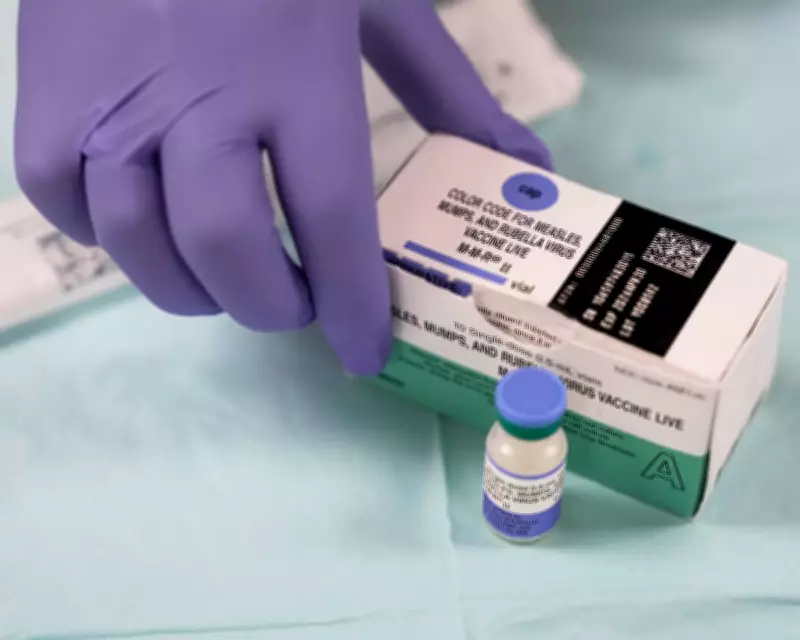
The outbreak originally began in Texas over a year ago and has since spread to most states across the country, marking the end of the period when measles was considered eliminated in the US. Most cases have occurred in children, many of whom had not received the measles, mumps, and rubella (MMR) vaccine. Infants under one year old and children with certain health conditions remain especially at risk, even in communities with high vaccination rates.
Misinformation Complicating Response
The situation has been further complicated by the spread of misinformation. Robert F Kennedy Jr, secretary of the US Department of Health and Human Services and a longtime vaccine critic, has described measles vaccination as a personal choice and has promoted unproven treatments, adding to public confusion.
This outbreak underscores the critical importance of vaccination and herd immunity in preventing the spread of infectious diseases. Public health officials continue to monitor the situation closely, urging vaccination to curb further infections.