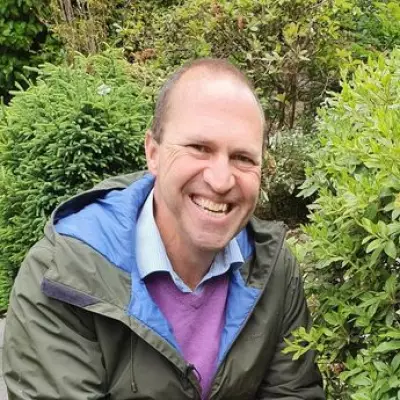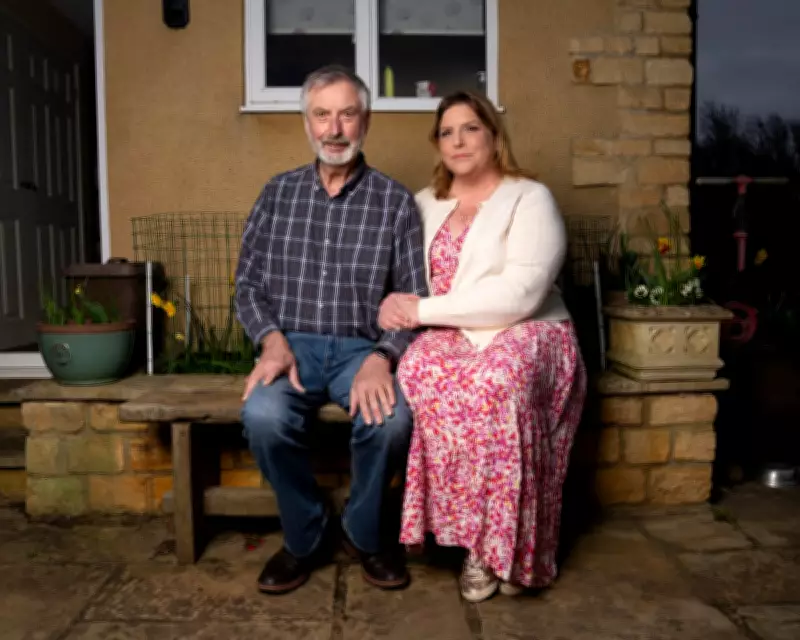
David Osenton, a retired engineer in his early 70s, almost died last summer due to medical mistakes and delays at the John Radcliffe hospital in Oxford. His daughter Karen invoked Martha's rule to demand a second opinion, which likely saved his life.
A Daughter's Desperate Move
For six awful days, Karen watched her father deteriorate on the cardiac ward. Despite being extremely fit before his illness, David became thin, jaundiced, and could barely lift his head. Karen read the poster above his bed about Martha's rule, which gives patients the right to a second opinion.
David had first visited his GP over a month earlier with extreme breathlessness. He was repeatedly sent home from A&E before finally being admitted to a specialist cardiac unit in July. But his condition worsened daily.

Karen recalls: "Every day we saw him he got worse. My mum kept saying: 'Please, my husband is not right, this is not David.' He couldn't walk, he didn't sleep, he couldn't eat." Other patients also urged nurses to take action.
The Turning Point
Almost a week after admission, Karen arrived to find her mother, Kathleen, in tears. "She said: 'You've got to help your dad.'" David was on the edge of the bed, rocking, barely able to speak. Karen walked to the desk and said: "You will get a consultant here now. I am invoking Martha's rule. I want somebody to see my dad right now."
Within minutes, the room filled with doctors. David had fluid in his lungs and multi-organ failure. He was rushed to intensive care, fighting for his life. A senior consultant told Karen he was "the sickest person in the hospital."
Hospital Apologises
Oxford University Hospitals NHS foundation trust (OUH) apologised to the family, admitting mistakes in treating David's cardiac failure. Delays were partly due to service pressures, but clinicians failed to spot his deterioration. A "lapse in communication" meant confusion over which team was responsible for his care. By the time they acted, David was too ill for recommended surgical valve repair.
Once in intensive care, his treatment was "exceptional," Karen says. "But it didn't need to get to that point, ever. Every day I had read those posters, every day I thought about Martha's mum and thought: what a strong woman to do something like this. Not realising that I'd actually have to use it myself."
Life-Altering Consequences
David slowly recovered but is far from the active motorcyclist and hands-on grandfather he once was. He gets shaky and light-headed easily. Karen says the family is "all still very angry" about how Kathleen's concerns were dismissed.
"People of my parents' age group are very much: 'Doctors know best, don't question them.' Whereas you really have to advocate for yourself and say: 'No, there's something not right.' To stand up for your loved ones, because you only really get one chance to do that."
Martha's Rule Impact
Martha's rule, implemented after the death of 13-year-old Martha Mills, may have saved over 500 lives in England since 2024. Prof Andrew Brent, chief medical officer at OUH, said: "On behalf of the trust, I am sorry that some aspects of the care David Osenton received did not meet the high standards that we set ourselves."
He added: "Martha's rule and second opinions provide patients, families, carers and our staff the opportunity to raise and discuss concerns, providing additional safeguards for our patients' care. We are glad the family were able to do this in this instance, resulting in a good outcome for David."