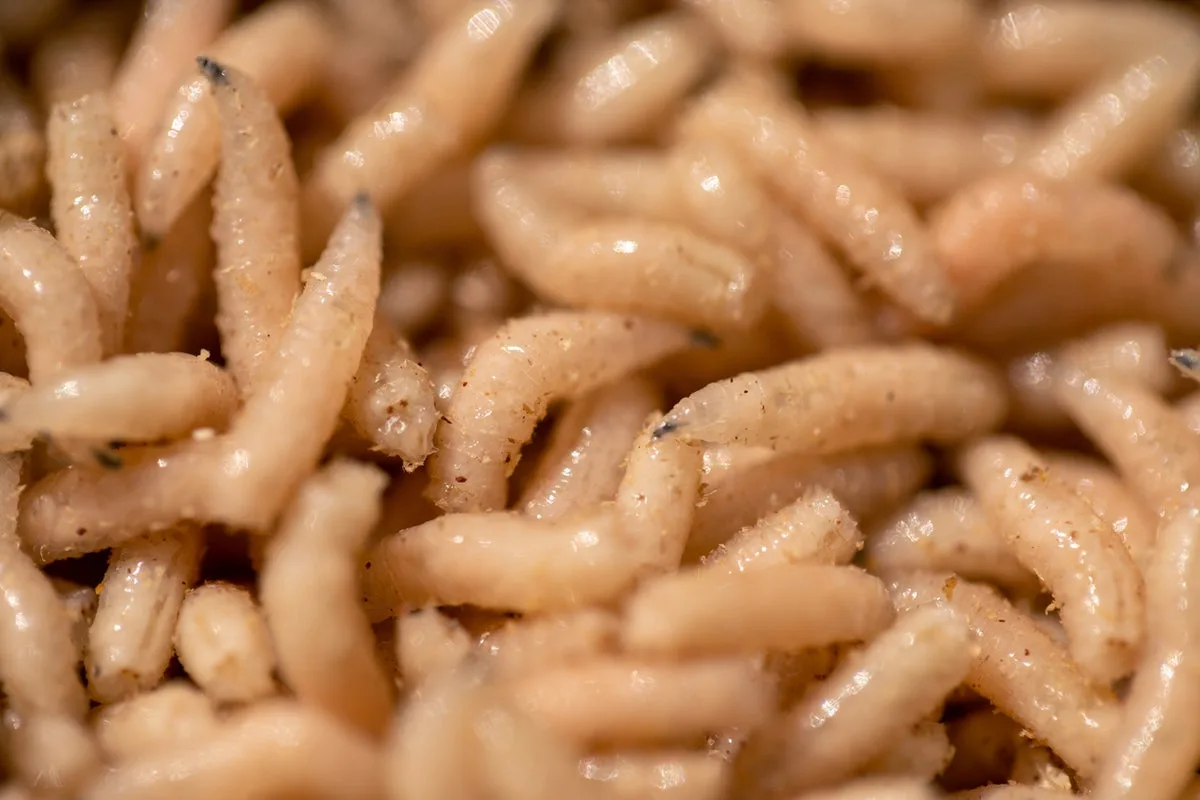
Maggot therapy, approved by the US Food and Drug Administration in 2004, remains a leading treatment for serious wounds, according to doctors. The therapy involves using medical-grade maggots to clean wounds by dissolving dead tissue.
Dr Ronald Sherman, a leading expert, explained that maggots secrete digestive enzymes that dissolve dead infected tissue while leaving healthy tissue intact. Dr David Armstrong, another wound care specialist, calls them 'nature's microsurgeons' due to their effectiveness.
Doctors typically turn to maggot therapy after other treatments have failed. Armstrong noted that many patients have already seen several doctors and tried various treatments before considering this option. The therapy is particularly beneficial for those wishing to avoid surgery, as it requires no anaesthesia.
Medical maggots start smaller than a grain of rice and grow up to 12mm during treatment. They cannot reproduce in the wound. However, the therapy is not a cure-all; the NHS states it can improve wound conditions and kickstart healing but is not suitable for all wound types.