Campaigners Push to Criminalise Labiaplasty as Form of Female Genital Mutilation
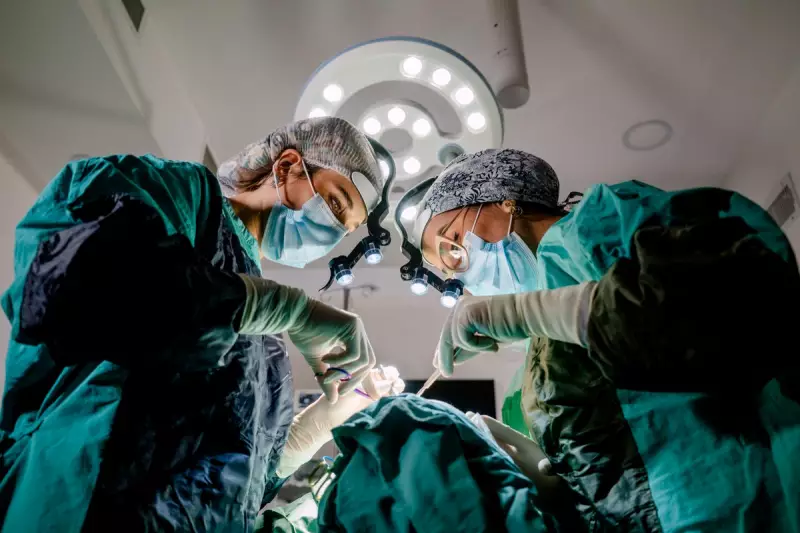
Campaigners in the UK are intensifying efforts to have labiaplasty, a cosmetic surgery altering the appearance of the vaginal opening, classified and criminalised as a form of female genital mutilation. This move follows distressing accounts from individuals who have undergone the procedure, highlighting severe physical and psychological consequences.
Personal Trauma Sparks Advocacy
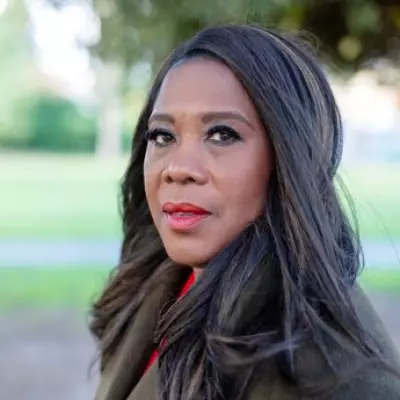
Riley Smith, a pseudonym used to protect her identity, shared her harrowing journey with The Independent. She first desired what she termed a "designer vagina" at age 14, driven by insecurities about her labia size, which were exacerbated by peers. At 22, she underwent labiaplasty after being assured it was a "super simple surgery" with minimal risks.
Post-surgery, Ms Smith experienced extreme discomfort, including irritation, dryness, and recurring infections. She now describes sitting as challenging and sexual intercourse as "excruciatingly painful and mentally distressing." Reflecting on her decision, she expressed anger towards the surgeon, the healthcare system, and herself, criticising how the procedure is casually promoted for enhancing sexual confidence and hygiene.

Rising Trends and Legal Loopholes
Labiaplasty has surged in popularity, partly fueled by social media platforms like TikTok, where over 7,000 related posts have appeared since 2024. Google searches for terms such as "labiaplasty before and after uk" have increased by 90% in the past year, indicating growing public interest.
Despite this, the procedure remains legal in the UK for consenting adults over 18, unlike female genital mutilation, which is illegal and typically non-consensual. Figures from the British Association of Aesthetic Plastic Surgeons show 635 labiaplasty operations were performed in the UK in 2024, a slight decrease from previous years but still significant.
Campaigners' Arguments and Expert Insights
Charity The Vavengers, dedicated to ending violence against women and girls, is at the forefront of the campaign to ban labiaplasty. Chief executive Sema Gornall argues that consent to such bodily harm is impossible, drawing parallels to amputating a limb without medical reason. She emphasises that the procedure has become "normalised" through social media, masking its risks.
Dr Kate Goldie Townsend, a lecturer at Exeter University specialising in political philosophy, notes that labiaplasty risks mirror those of female genital mutilation, including bleeding, infection, reduced sexual function, and psychological distress. She points out that current legislation allows labiaplasty for minors in cases of severe anxiety, creating a concerning loophole.
Government Stance and Broader Implications
The UK government has stated it has no plans to ban private labiaplasty for adults, which costs around £4,000. A Department of Health and Social Care spokesperson reiterated that female genital mutilation is a crime and child abuse, while labiaplasty on the NHS is reserved for clinical needs like cancer removal.
Payzee Mahmood, an ambassador for The Vavengers who survived female genital mutilation, criticises labiaplasty as being "decorated" in notions of empowerment, yet rooted in patriarchal standards. She highlights that many women endure daily pain, similar to female genital mutilation survivors, underscoring the urgent need for regulatory action.
As debates continue, campaigners stress the importance of addressing societal pressures and protecting women from procedures that can lead to lifelong suffering.