Kent Meningitis Outbreak Triggers Urgent Public Health Response
The unprecedented meningitis outbreak in Kent has sparked a nationwide clamour for vaccines, as health authorities scramble to contain the spread of the deadly MenB bacteria. Two university students have tragically died, while twenty others have been confirmed as suffering from meningitis, with many in serious condition due to this life-threatening infection.
National Alert and Antibiotic Prescriptions
General practitioners across the United Kingdom have been ordered to prescribe antibiotics to anyone who attended a super spreader event at Club Chemistry nightclub in Canterbury between March 5th and 7th. This directive comes amid growing fears that students may have carried the bacteria to other regions after returning home to their families.
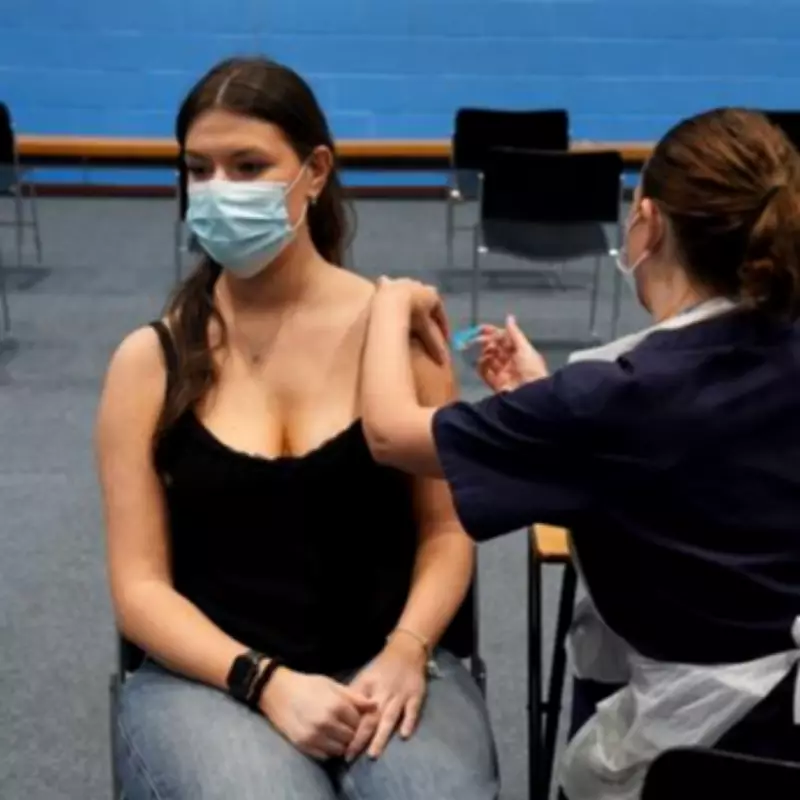
Analysis conducted so far indicates that victims have been infected with the MenB bacteria, prompting the NHS to implement a targeted vaccination campaign as part of a major incident response. Initially, this campaign will offer vaccines to 5,000 University of Kent students residing at the Canterbury campus, with potential extensions being considered.

Vaccine Shortages and Pharmacy Challenges
However, pharmacists are now reporting national shortages of the MenB vaccine, which protects against meningococcal group B bacteria that can cause meningitis and sepsis. Olivier Picard, chair of the National Pharmacy Association, stated that pharmacies are being inundated with requests from concerned patients but have no stock currently available to fulfil them.
Most pharmacies provide MenB vaccinations on a small scale, primarily for travel purposes or for those who missed NHS vaccinations, and therefore do not maintain significant excess stock. Picard emphasized that pharmacies stand ready to assist in any potential NHS vaccination campaign, while health officials may need to preserve stock for those most at risk during this outbreak.
Public Health Warnings and Risk Factors
Anyone who attended Club Chemistry that weekend or subsequent after-parties at University of Kent halls of residence is considered at risk, particularly from transmission through kissing or sharing drinks or vapes. The UK Health Security Agency reported that as of Tuesday evening, twenty cases of meningitis had been notified, up from fifteen earlier that day. Among these, nine cases have been laboratory-confirmed, with eleven under investigation, and six confirmed as the meningitis B strain.
Retail Pharmacy Responses
Major pharmacy chains have implemented measures to manage the surge in demand. Boots has introduced a queuing system for customers accessing the vaccination service page on its website, warning that demand for the MenB jab is currently exceptionally high. Similarly, Superdrug has created a waiting list for the vaccine, noting a national shortage on its website and confirming it is working with suppliers to secure additional stock.
Vaccination Coverage and Limitations
It is crucial to note that the MenB vaccine does not protect against other causes of meningitis and sepsis. The primary alternative is the MenACWY vaccine, which offers protection against meningococcal groups A, C, W, and Y. Additionally, several other vaccinations can help protect against meningitis as a complication of other infections.
These include the six-in-one vaccine for young children, the pneumococcal vaccine for babies, and the MMRV vaccine for infants. The NHS advises that if a child has missed any MenB vaccines, parents should contact their GP surgery. Most children can receive the vaccine unless they have had a serious allergic reaction to a previous dose or vaccine ingredient.
Ongoing Public Health Strategy
Olivier Picard highlighted apparent gaps in the original national vaccination strategy, emphasizing the need to reach those most in need. He added that pharmacies are awaiting clarification on future plans for MenB vaccination and urged anyone with concerns to contact NHS 111 or consult advice on the NHS App.

A UKHSA spokesperson reiterated that GPs nationwide have been advised to prescribe antibiotics to Club Chemistry attendees and University of Kent students seeking preventative treatment, ensuring easy access for those who have travelled away from Kent. GPs remain on high alert for anyone who may have attended the nightclub that weekend, as students could be carrying the MenB bacteria to other parts of the country.