Kent Meningitis Outbreak Escalates to 27 Confirmed and Suspected Cases
The number of meningitis cases connected to an outbreak in Kent has increased to 27, according to the latest update from health authorities. The UK Health Security Agency (UKHSA) reported that as of Wednesday evening, 15 cases had been confirmed, with an additional 12 under investigation. This represents a rise from the 20 cases reported previously. Tragically, two students have died in connection with the outbreak.
Unusual Nature of the Outbreak Raises Concerns
Professor Robin May, chief scientific officer at the UKHSA, described the situation as "a very unusual outbreak" during a BBC Breakfast interview. He explained that while sporadic meningitis cases occur regularly across the UK, this cluster stands out due to its size and apparent connection to a single event. "What is particularly remarkable about this case, and unexpected about this case, is the large number of cases all originating from what seems to be a single event," he stated.
Experts are investigating two potential explanations for the outbreak's scale. "One is that there might be something about the kind of behaviours that individual people are doing. The other possibility is the bacteria itself may have evolved to be better at transmitting," Professor May added.

Public Health Response and Containment Efforts
Trish Mannes, UKHSA regional deputy director for the South East, emphasized the importance of students coming forward for preventative antibiotics. Thousands of doses have been distributed to individuals who attended Club Chemistry in Canterbury between March 5-7, along with students residing in halls at the University of Kent's Canterbury campus.
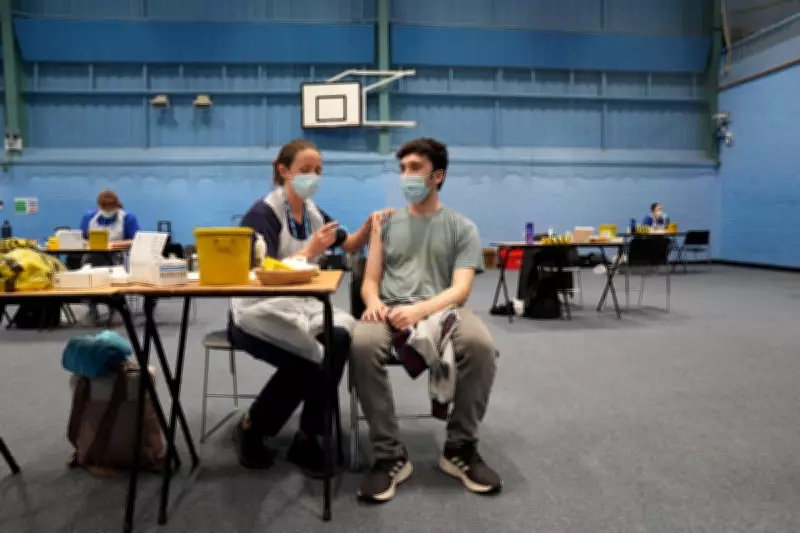
Approximately 5,000 students have been invited to receive the meningitis B (menB) vaccine. To date, 600 menB vaccines have been administered at the University of Kent Canterbury campus, with recipients needing to return for a second dose after at least four weeks. Additionally, 6,500 antibiotics have been distributed as a precautionary measure.
Despite these efforts, public health leaders caution that containment cannot yet be confirmed. Dr. Anjan Ghosh, Kent County Council's director of public health, told BBC Radio 4's Today programme: "We're not in the position yet to say that definitively, that it's been contained." He explained that while new cases continue to be reported, most appear linked to the initial exposure period, and officials are monitoring for potential secondary transmission.
Understanding Transmission and Symptoms
Professor May clarified how the bacteria spreads, noting it requires close, prolonged contact rather than casual interaction. "It's transmitted by things like saliva and kissing in particular, but also sharing of utensils, sharing of cups or vapes or those kind of things," he explained. He emphasized that unlike COVID-19 or flu, meningitis bacteria do not spread easily through the air or survive long on surfaces, meaning public transportation poses minimal risk.
Ms. Mannes highlighted important limitations of the menB vaccine: "It is important to know that the menB vaccine does not protect against all strains of meningococcal disease, nor against all infections that can cause meningitis. It also does not prevent the bacteria from being carried and spread in the community."
The UKHSA has issued an alert to NHS services across England regarding meningitis symptoms, noting that cases in the Kent outbreak "has been severe with rapid deterioration." The alert recommends infection control measures before antibiotic treatment begins.
Broader Impact and Specific Cases
The outbreak has affected multiple educational institutions. Four schools in Kent have confirmed meningitis cases, along with one student at a higher education institution in London linked to the Kent outbreak. Escape Studios, a London animation and games school, confirmed on its website that "an individual attending Escape Studios had been admitted to hospital after contracting meningitis."
Olivia Parkins, an 18-year-old member of the University of Kent cheerleading society, revealed that three confirmed cases within the society are currently hospitalized.

Of the 15 confirmed cases, nine are known to be caused by menB. Consultant virologist Dr. Chris Smith noted the unusual aspect of this outbreak: "What's unusual about this case is we've gone from something which we know happens but doesn't normally translate into severe clinical disease, suddenly, with one event, translating into a lot of people who've developed the invasive infection."
Dr. Ghosh offered reassurance to the public: "The main advice is there's no reason to be anxious. This is a disease. It's not Covid. It doesn't spread the same way that Covid or measles spread." He urged people to continue with ordinary activities while remaining vigilant for symptoms requiring immediate medical attention.
The UKHSA maintains that "the risk to the wider population remains low" and continues contact tracing and antibiotic distribution to close contacts of confirmed cases.