
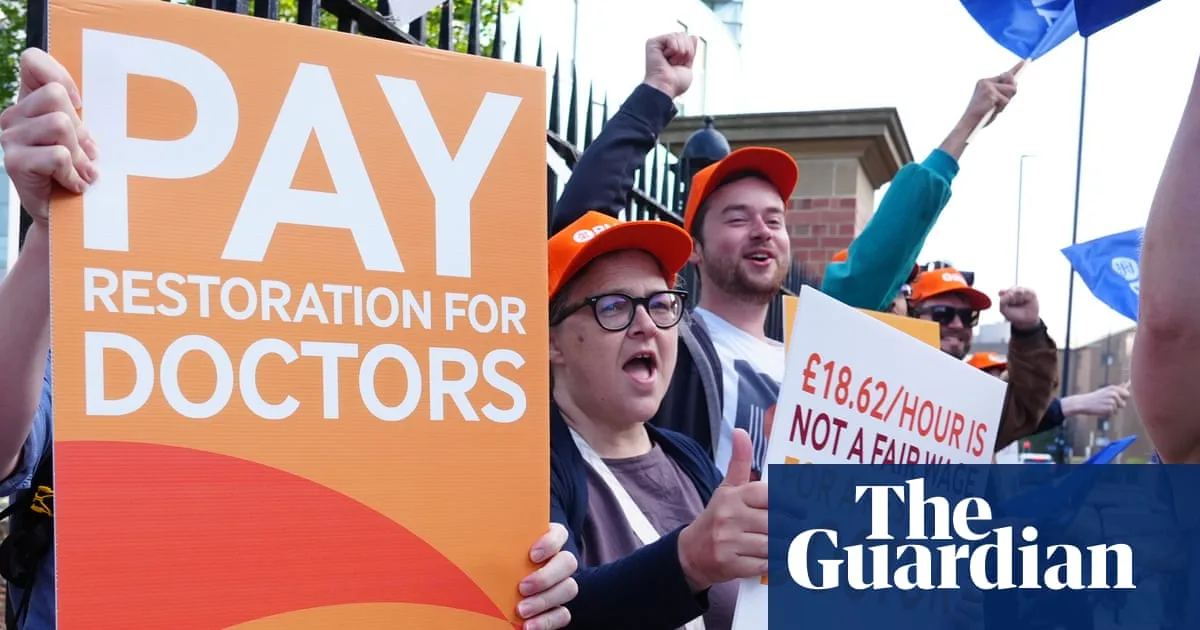
The British Medical Association (BMA) has rejected NHS England figures indicating that less than a third of resident doctors in England participated in last week's five-day strike. NHS England reported that 93% of planned operations and procedures went ahead, and care was maintained for an estimated 10,000 more patients compared with the previous strike.
Health Secretary Wes Streeting seized on the data, saying it was time to 'move past the cycle of disruption'. He noted that a majority of resident doctors did not vote for strike action and urged the BMA to work with the government in good faith. However, the BMA argued that complex work schedules, on-call patterns, and annual leave taken in July make it 'almost impossible to know' the exact number of participants.
The BMA stated: 'NHS England's claim that the majority of England's 77,000 resident doctors chose to join the NHS-wide effort to keep services open requires a huge stretch of the imagination.' The union added that the strike could have been averted if Streeting had come to the table with a credible offer. Resident doctors, who make up about half of all NHS doctors, are demanding a 29% pay rise.
Some trusts experienced minimal disruption, with West Hertfordshire teaching hospitals trust carrying out 98% of planned activity. NHS chief executive James Mackey said care was still disrupted for thousands and urged the resident doctors committee to return to negotiations. NHS Providers expressed concern about potential wider industrial action in the health service.




