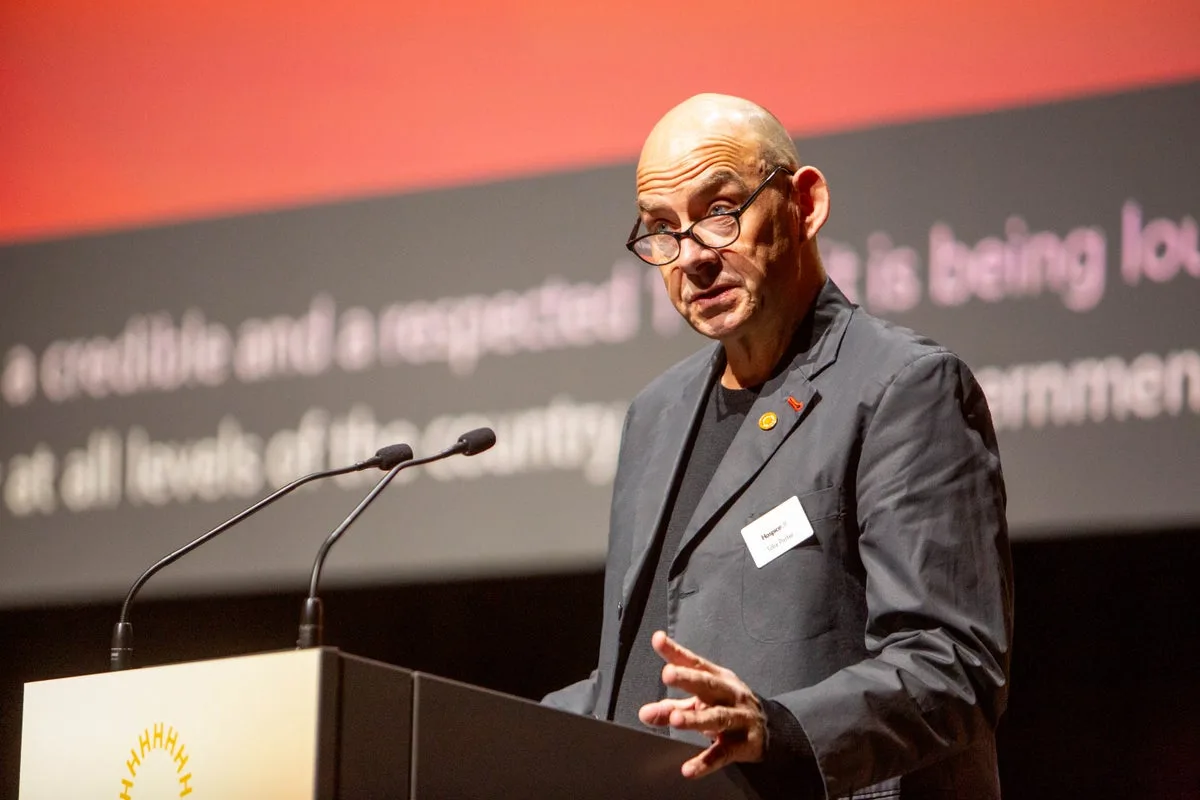
Hospice Sector Braces for Staff Exodus Over Assisted Dying Legislation
Charity leaders are warning that hospices across the United Kingdom could face a significant exodus of staff and volunteers if the controversial assisted dying bill becomes law. Toby Porter, chief executive of Hospice UK, has expressed serious concerns that the already under-resourced palliative care sector might lose dedicated professionals who disagree with the proposed legislation.
Workforce Vulnerabilities and Ethical Dilemmas
Mr Porter, who leads the charity representing more than 200 hospices nationwide, told The Independent that the sector faces unprecedented challenges. "It is unquestionable that there is a major risk of an already under-resourced workforce saying, 'I can't hack this, this is too controversial, I'm gonna go off and work somewhere else,'" he stated.
The charity boss acknowledged that many complicated questions remain unanswered regarding how end-of-life and palliative care would operate under the new legislation. He emphasised that all aspects of hospice operations would be significantly impacted, creating ethical and practical dilemmas for staff who might be uncomfortable participating in assisted dying procedures.
The Legislative Battle and Parliamentary Process
The Terminally Ill Adults (End of Life) Bill, first introduced in October 2024, would permit terminally ill adults with a life expectancy of six months or less to choose an assisted death. The deeply contentious legislation is currently undergoing scrutiny in the House of Lords, where peers have proposed a record-breaking number of amendments exceeding 1,000.
Kim Leadbetter, the Labour MP sponsoring the bill, has accused opponents in the Lords of attempting to "sabotage" the legislation through procedural tactics. Campaigners including Dame Esther Rantzen have similarly criticised what they describe as "filibustering" tactics designed to delay or derail the bill's progress.
Potential Impact on Hospice Operations and Funding
Mr Porter highlighted several critical concerns beyond workforce retention:
- Internal divisions: "Different team members will feel very differently, there could be divisions within teams that have never experienced that before," he noted, adding that some staff might feel demoralised while others could welcome the legal change.
- Reputational risks: Hospices currently enjoy largely uncontroversial standing within communities, but Mr Porter warned this could change dramatically. "In this one instance, we may find ourselves on the front line of the new and very potentially polarising legal right," he cautioned.
- Financial pressures: The charity chief expressed concerns about adequate funding, suggesting that increased management attention on assisted dying matters could divert resources from core palliative care services.
Broader Sector Perspectives and Government Response
James Sanderson, chief executive of palliative care charity Sue Ryder, emphasised that regardless of the bill's outcome, the sector urgently requires reform to address inequalities and increasing demand. "There is a very real fear, both among people with terminal illness and the wider public, that if people can't access all the care they need, which is the current reality for one in four people at the end-of-life, they may view an assisted death as a better option for them," he explained.
The Department of Health and Social Care acknowledged hospice pressures while highlighting government investment. A spokesperson stated: "Hospices do incredible work to support people and families when they need it most, and we recognise the extremely tough pressures they are facing." The department noted £125 million in capital funding for hospice facilities and an additional £80 million commitment for children's and young people's hospices over three years.
As the parliamentary debate continues with extended sitting hours granted to the Lords, the hospice sector remains in a state of uncertainty, preparing for potential transformation while grappling with fundamental questions about workforce stability, ethical practice, and service delivery in end-of-life care.




