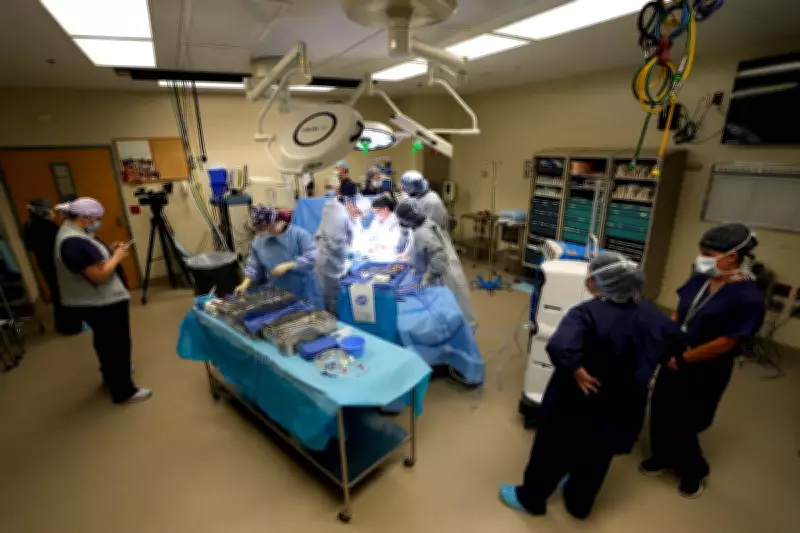
Organ Donation Landscape Transformed as Heart-Stop Donations Surge
The landscape of organ transplantation in the United States is undergoing a profound transformation. For decades, the vast majority of deceased organ donations originated from individuals declared brain-dead. Today, a significant and growing proportion now comes from donors who have died following circulatory death—when the heart stops beating. This pivotal shift represents both a crucial opportunity to expand the donor pool and a complex challenge requiring careful public education and robust ethical safeguards.
A Dramatic Rise in Donation After Circulatory Death
New research highlights the scale of this change. Donation after circulatory death (DCD) accounted for a remarkable 49% of all deceased organ donors in the U.S. last year. This marks a staggering increase from a mere 2% in the year 2000. The findings, published in the prestigious JAMA medical journal by specialists from NYU Langone Health, underscore a rapid evolution in medical practice driven by technological advances and the urgent need to address a dire organ shortage.
More than 100,000 individuals currently languish on the national transplant waiting list, with thousands dying each year before receiving a life-saving organ. Last year saw just over 49,000 transplants performed. The expansion of DCD is a direct response to this critical gap, leveraging new methods to preserve organ viability after the heart ceases to function.

Technological Advances and Geographic Disparities
Innovations in medical technology have been instrumental in overcoming previous barriers. Techniques such as normothermic regional perfusion allow surgeons to temporarily restore blood flow to organs in the chest and abdomen after circulatory death is declared, preventing deterioration and enabling the use of organs from older or sicker donors. This technology has spurred the adoption of DCD protocols nationwide.
However, the NYU study reveals significant geographic inconsistency. While circulatory death accounted for more than half of all donors at 24 organ procurement organizations last year, the rate varied dramatically across regions, with some agencies reporting DCD rates as low as 11%. This disparity suggests that better education for both the public and local hospitals could further unlock potential and save more lives. Smaller or rural hospitals, in particular, may lack familiarity with the intricate steps required for successful DCD.
Navigating Ethical Complexities and Public Trust
The rise of DCD is not without controversy. The procedure is inherently complex, involving the planned withdrawal of life support for patients with nonsurvivable injuries but not complete brain death. Death is declared only after the heart stops and a mandatory five-minute wait confirms it will not restart spontaneously. Organ retrieval cannot begin until this declaration is made.
"We need to make sure we are doing it well," emphasized Dr. Babak Orandi, an NYU transplant surgeon and co-author of the study. "If we stop doing it or severely restrict it, there would be pretty significant repercussions for patients." Public trust has been shaken by rare but alarming reports of potential donors showing signs of life, highlighting the need for transparency and rigorous safeguards.
Policy Evolution and Future Safeguards
In response, policymakers and organ procurement organizations (OPOs) are developing enhanced protocols. The federal Health Resources and Services Administration is preparing new national policies. Proposals include allowing any team member to pause preparations if questions arise about the appropriateness of withdrawing life support, requiring OPOs to document proper neurological exams, and mandating thorough family education about the DCD process.
The Association of Organ Procurement Organizations advocates for additional measures, such as performing life-support withdrawal in critical care units rather than operating rooms to avoid confusion about the timing of death. "Donation after circulatory death requires a lot of buy-in from the community, including the local hospitals, to make this happen," noted Dr. Orandi, warning that isolated cases can undermine vital public confidence.

As the medical community continues to refine these practices, the shift toward circulatory death donation stands as a testament to innovation in the face of scarcity. Balancing technological potential with ethical rigor and public understanding will be paramount in ensuring this evolving approach fulfills its promise of saving more lives through transplantation.