Harley Street's Evolution from Medical Elite to Aesthetic Hub
For generations, London's Harley Street has stood as the ultimate symbol of exclusive private healthcare, attracting royalty, celebrities, and the wealthy to its elegant Georgian buildings in Marylebone for world-class medical treatment. While this historic enclave still houses some of the globe's most respected physicians, a dramatic transformation has unfolded in recent decades. The prestigious W1 postcode is now saturated with aesthetic doctors and dentists, promoting discounted teeth-whitening, facial fillers, and Brazilian butt lifts, fundamentally altering the street's character and reputation.
The Rise of Pop-Up Clinics and Social Media Influence
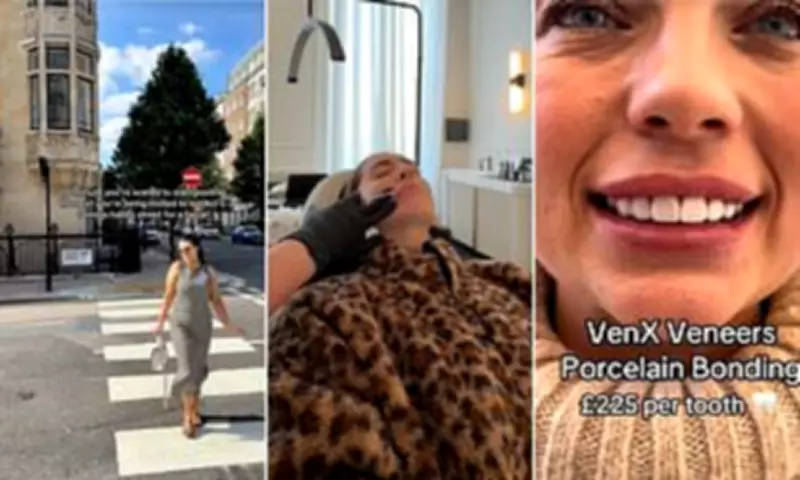
Cosmetic practitioners, often lacking formal medical qualifications, are increasingly renting temporary spaces to establish "pop-up" clinics, leveraging Harley Street's esteemed name to attract clients. Unlike the discreet visits to long-established medical facilities, patients undergoing aesthetic enhancements frequently broadcast their experiences on social media platforms. Instagram and TikTok are flooded with content from influencers posing with the Harley Street sign, showcasing dental veneers, or even grinning during Botox injections, turning medical procedures into public spectacles.
Alarming Safety Concerns and Regulatory Gaps
This shift carries grave, potentially life-threatening implications. According to recent data from Save Face, the government-approved register for qualified aesthetic practitioners, the number of unqualified individuals operating in temporary Harley Street offices has skyrocketed from 18 to 118 over the past five years. Social media enables these rogue practitioners to advertise treatments cheaply and rapidly, misleading clients who assume a Harley Street location guarantees credibility.

Ashton Collins, director of Save Face, highlighted the dangers in 2026, recounting cases where patients nearly died from liquid Brazilian butt lift treatments performed by unskilled operators. She noted that victims are often "fobbed off and blocked" when attempting to contact practitioners, who vanish after short-term rentals. Procedures like liquid BBLs, which involve injecting dermal fillers into buttocks, can be fatal without proper training, underscoring the urgent need for oversight.
High-Profile Cases of Misconduct and Negligence
Over the last decade, numerous Harley Street practitioners have faced disciplinary actions or been struck off due to misconduct, negligence, and botched surgeries. In January, unregistered plastic surgeon Dr. Sayed Mia was found to have illegally performed liposuction at a private Harley Street clinic, falsely claiming to be a patient when caught. He also conducted gynecomastia procedures without required registration, leading to a 12-month suspension for dishonesty and disregard of professional standards.
Similarly, Dr. Shahram Sabha, who ran the Lister House Dental Clinic on Harley Street, was struck off in 2019 after being found guilty of over 400 charges, including botched dental surgeries. Cosmetic doctor Haroon Ashraf warns that Harley Street's reputation for world-class care is eroding, as anyone can now rent a room and label themselves a "Harley Street practitioner," with non-surgical injectable treatments remaining highly unregulated in the UK.
Social Media Promotion and Influencer Culture
An influx of influencers has amplified this trend, posting about their Harley Street visits for facial treatments and dental work, often detailing gifted or discounted procedures. On TikTok, influencer Hettie's Holidays shared videos of her composite teeth procedure, while Holly Arnott posted about receiving a facial invitation, celebrating the experience with followers. Clinics like Harley St Injectables have capitalized on this, revealing that social media personality Emily English, with over two million Instagram followers, underwent a specialist HIFU treatment at their facility.

Calls for Regulation and Public Warnings
In response, a cross-party House of Commons select committee has renewed calls for a UK aesthetics licensing scheme to be implemented in 2026, aiming to crack down on rogue practitioners. Lesley Blair, chief executive of the British Association of Beauty Therapy and Cosmetology, expressed concerns about the rise of unregulated pop-up clinics, warning that consumers face serious risks and that these issues are becoming an increasing burden on the NHS. She advises thorough research before visiting any aesthetic practitioner, as low costs make treatments more accessible but potentially hazardous.
Harley Street's journey from a bastion of elite healthcare to a hub of unregulated aesthetics highlights critical challenges in medical safety, regulation, and the powerful influence of social media in reshaping traditional institutions.