The devastated family of a grandfather who died in hospital say their desperate pleas for help were ignored, as a coroner warned of 'missed opportunities' in his care.
A Rapid Decline and Pleas for Help
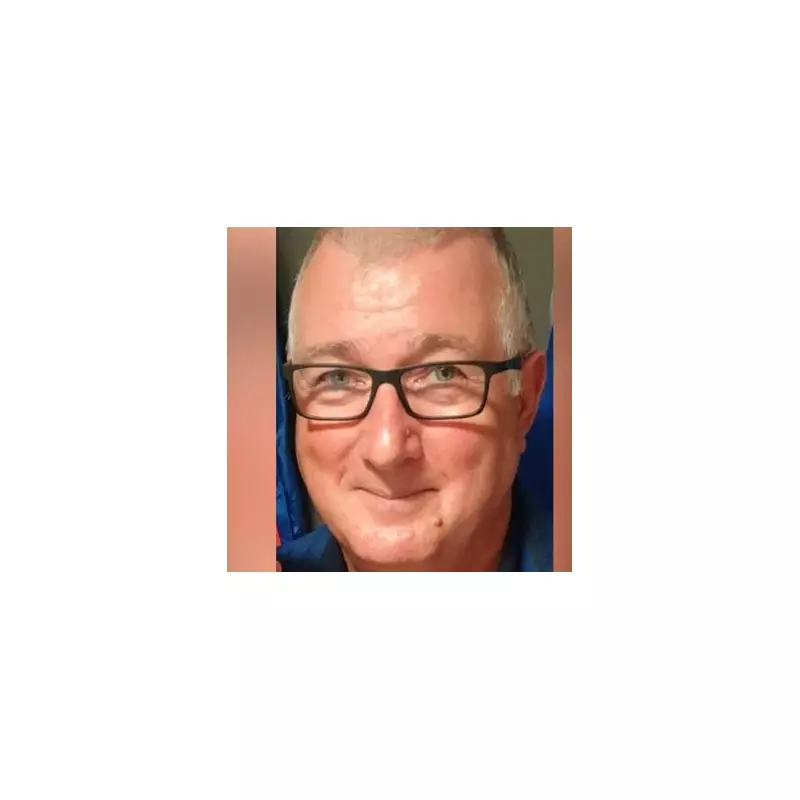
Phillip Unwin, a 68-year-old from Fulford, died at Royal Stoke University Hospital on 3 April 2024. He had been rushed there by ambulance the previous day suffering from fever, chest pain and breathing difficulties. His family watched in horror as his condition deteriorated over the next 24 hours.
His wife of 50 years, Jennifer Unwin, stayed by his bedside overnight. She repeatedly alerted medical staff that he was getting worse, but felt her concerns were dismissed. "It was as if nobody cared," she said. "I was constantly trying to get the help of doctors and nurses, because I could see him deteriorate in front of my eyes. But nothing was done."

Phillip was initially placed in a resuscitation ward. Doctors suspected a urine infection and discussed moving him to critical care for strong antibiotics, but this transfer was delayed. Jennifer described feeling 'helpless' as she witnessed his decline.
'Moribund State' and a Tragic Outcome
By the time a doctor conducted a thorough assessment, Phillip was described as being in a 'moribund state' – meaning he was near death. He was finally rushed to critical care, placed in an induced coma, and underwent scans. However, his organs began to fail.
"Everyone kept saying they didn't know what was wrong with him," said his daughter, Lynsey Gould, 44. The cause was later confirmed as multi-organ failure triggered by pneumonia. Phillip died shortly afterwards.
An inquest concluded he died of natural causes. However, North Staffordshire area coroner Daniel Howe identified significant failings. He highlighted 'missed opportunities to escalate care in a timely manner' and issued a warning that further preventable deaths could occur unless action was taken.
A Family's Lasting Trauma and Calls for Change
The family are convinced his death was avoidable. "I truly believe that if he was looked at properly sooner, he'd still be with us today," said Jennifer. She contrasted the care her husband received with that given to their poorly dog, which died the week before. "Our dog had better care at the vets than my husband did in the hospital," she stated.
Jennifer says the experience has left her with post-traumatic stress disorder (PTSD) and a loss of faith in the healthcare system. "Sometimes I just want to die, because there's nothing else I want to live for anymore," she admitted.
Lynsey added that the loss has shattered the family. "My mum is a shell of who she was before. He was a fit and healthy man who held us all together."
The University Hospitals of North Midlands (UHNM) NHS Trust has since implemented changes. These include introducing a 'Call for Concern' system – similar to Martha's Rule – which allows families to request an urgent clinical review. The trust has also reintroduced a named nurse model in resuscitation and strengthened staffing processes.
Dr Diane Adamson, chief medical officer at Royal Stoke, offered sincere condolences and an apology. "We apologise that some aspects of care were not as they should have been," she said. The trust stated it is focused on learning from the case to provide the safe, high-quality care patients expect.