Exclusive: Food Bank Demand Quadruples Since Lockdown, Charity Reveals
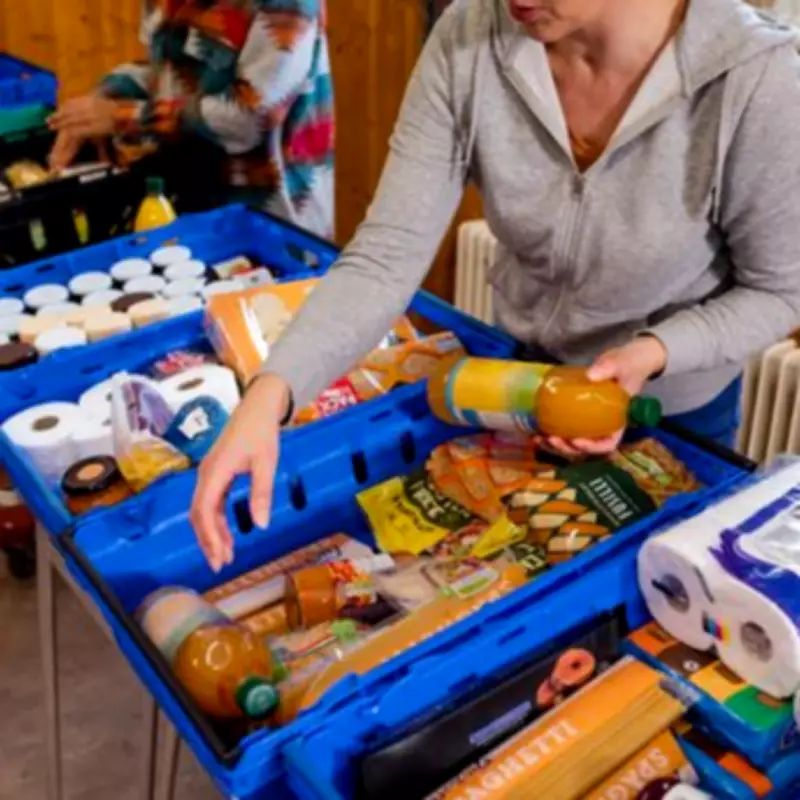
Demand for a homelessness charity's food bank service has quadrupled since the initial lockdown in March 2020, with the Manchester-based Mustard Tree organisation still grappling with the profound fallout from the pandemic nearly six years later. The charity's food club, which provides essential supplies to those in need, has seen daily usage skyrocket from approximately 10 to 15 people before the pandemic to around 60 individuals currently seeking assistance each day.
Pandemic Fallout and Rising Inequality
Jack Barton, Mustard Tree's head of communications and impact, highlighted the alarming trends in an exclusive statement. "Before the pandemic we had roughly 10 to 15 people using our Ancoats food club a day and now we have about 60," Barton explained. "We're seeing more Section 21 evictions than ever before and inequality is still rising. Parts of Greater Manchester have seen life expectancy fall."
The charity's concerns emerge as the Covid-19 UK Inquiry's final module, which examines the pandemic's impact on society, begins hearing evidence. Professor of Public Health Michael Marmot had warned that returning to the pre-pandemic status quo would be a tragic mistake, yet Barton notes that current conditions reflect exactly that regression.

Emergency Response and Ongoing Crisis
During the initial lockdown, Mustard Tree staff delivered up to 150 emergency food parcels daily to households across Greater Manchester. Service users included families with young children living in temporary accommodation and struggling pensioners, many of whom lacked basic cooking facilities or proper sleeping arrangements.
"People were just about keeping their heads above water coming out of the pandemic and then the cost of living crisis put them straight back under again," Barton stated. The charity is now calling for urgent government action, drawing parallels between the pandemic response and the ongoing poverty emergency.
"We need to look at poverty like Covid – because that emergency response at the time was incredible," Barton continued. "If we can do that for Covid, why can't we do that for all the consequences of poverty and homelessness now? These inequalities and the true extent of poverty already existed before the pandemic, but covid 19 uncovered it and exacerbated it to a much greater degree than anyone thought, and we're still dealing with the fallout."
Inquiry Highlights Widespread Impact
Module 10 of the Covid-19 UK Inquiry will focus specifically on the pandemic's impact on key workers, vulnerable populations, the bereaved, and mental health and wellbeing. Between February and June 2025, nine roundtables explored different themes, while nearly 60,000 personal accounts were gathered through the Every Story Matters initiative.
Lizzie Kumaria, director of human impact, communications and engagement for the inquiry, described the emotional weight of collecting these stories. "I travelled around the country hearing directly from a huge number of people about how the pandemic impacted them," Kumaria said. "The experience was very emotional – it was a real honour that people wanted to share their stories in this way."
Kumaria emphasized that the inquiry has provided a crucial platform for public testimony, with mental health impacts standing out as particularly profound. "The closure of leisure and sports facilities in particular meant a lot of people didn't have that outlet to go and exercise or connect with other people," she noted. "Isolation and loneliness was a key factor – the lack of connection with neighbours, friends, colleagues and family was really a big loss and particularly so for those who were bereaved."
The sustained increase in food bank demand underscores how pandemic-era challenges have evolved into persistent crises, with charities like Mustard Tree advocating for systemic solutions to address the root causes of poverty and homelessness that have been magnified in recent years.