Exercise Outperforms Heat Packs for Period Pain Relief, Research Shows
For countless women worldwide, menstrual periods bring debilitating pain that disrupts daily life. Period pain, medically termed dysmenorrhea, affects approximately ninety percent of young women aged 13 to 25 in Australia, with similar prevalence observed globally. This common condition often makes physical activity seem daunting, yet emerging evidence suggests exercise might be the key to effective management.
Understanding the Causes of Menstrual Discomfort
Period pain manifests in two primary forms. Primary dysmenorrhea represents the most frequent type, characterized by painful abdominal cramps. Scientific investigations indicate this discomfort stems from elevated prostaglandin levels. These hormone-like molecules release as the uterine lining sheds during menstruation, triggering symptoms including cramps, back pain, leg discomfort, and gastrointestinal issues often humorously referred to as period poops.
Secondary dysmenorrhea involves pain resulting from physical abnormalities within the pelvic region. Endometriosis stands as a predominant cause, where tissue resembling uterine lining grows outside the uterus, leading to severe pain and potential fertility complications.

The Therapeutic Potential of Physical Activity
Traditional period pain treatments, including non-steroidal anti-inflammatory medications like ibuprofen and mefenamic acid (Ponstan), often prove inadequate for many women. This treatment gap has prompted researchers to explore exercise as an alternative intervention.
A comprehensive 2019 analysis demonstrates that regular physical activity can reduce period pain severity by an average of 2.5 points on a zero-to-ten scale. This reduction surpasses the effectiveness of common self-treatment methods such as heat pack application. While only one 2017 study directly compares exercise with anti-inflammatory medications, its findings suggest regular physical activity proves at least as beneficial as mefenamic acid.
Beyond pain intensity, exercise may shorten discomfort duration. A 2025 investigation revealed that aerobic exercise can reduce period pain length by over twelve hours. Given that many women experience peak pain during the initial forty-eight hours of menstruation, this represents a significant twenty-five percent reduction in suffering.
Optimal Exercise Modalities for Pain Management
Most research concentrates on aerobic exercises like cycling, swimming, and jogging. However, emerging evidence highlights the particular efficacy of strength training, especially isometric exercises involving static muscle holds such as planks.
Relaxation-based practices demonstrate remarkable results. A 2024 study found women combining progressive muscle relaxation with self-massage experienced substantial pain reduction. These accessible techniques promote higher adherence compared to more demanding physical activities.
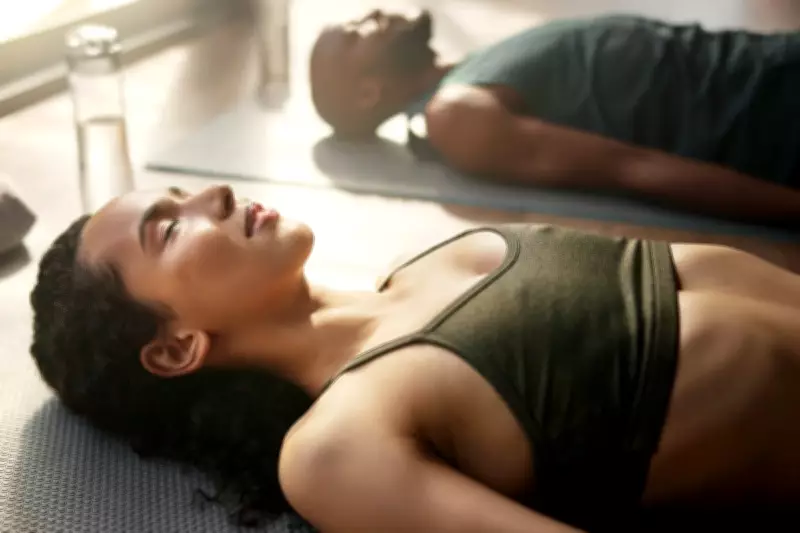
For individuals with secondary dysmenorrhea or underlying conditions like endometriosis, gentler approaches including yoga may prove most appropriate. Consulting an exercise physiologist for personalized guidance remains advisable, as research predominantly focuses on primary dysmenorrhea.
Implementing an Effective Exercise Regimen
A 2025 review of existing studies indicates exercising two to three times weekly can alleviate period pain. Participants engaging in strength training for at least thirty minutes per session over eight weeks experienced the greatest pain reduction, though improvements may emerge within just four weeks.
For aerobic exercise, shorter, less intense sessions appear most effective for pain management. Current evidence suggests committing to ninety minutes of weekly exercise for eight weeks yields optimal results, regardless of menstrual cycle timing. Should any unusual symptoms like non-menstrual abdominal pain occur post-exercise, medical consultation remains essential.
The collective research underscores exercise as a powerful tool for period pain management. From gentle yoga to vigorous aerobic workouts, physical activity offers measurable reductions in both pain severity and duration, providing relief regardless of menstrual phase.