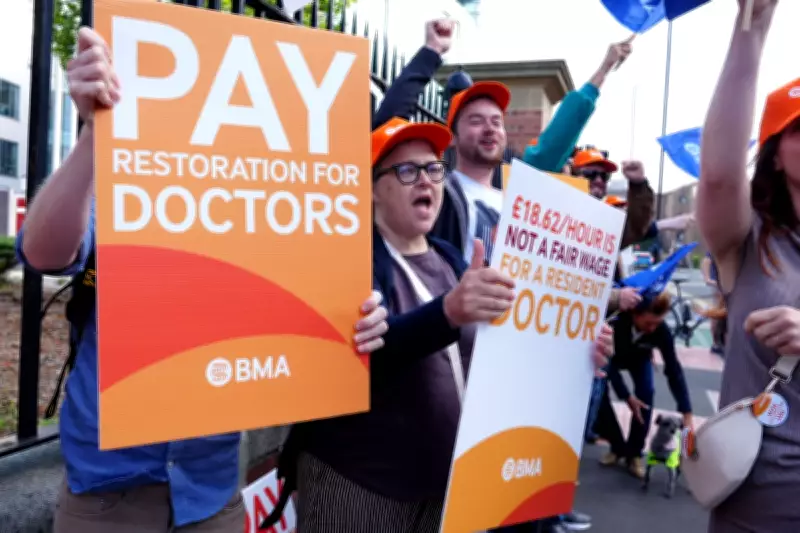
Doctors Vote to Extend Strike Action for Six Months Amid Pay Dispute
Resident doctors in England have voted decisively to continue industrial action for another six months, escalating their long-running dispute over pay and job security within the National Health Service. The British Medical Association announced the result of its latest ballot, revealing strong support for sustained strike measures.
Overwhelming Mandate for Continued Action
The ballot saw 53% of eligible BMA members participate, with a striking 93% of those voting in favour of extending industrial action. This clear mandate provides the union with six months of authorised strike capability as negotiations with the government continue. The dispute centres on pay restoration and concerns about career progression for medical professionals.
Union Calls for Government Action
Dr Jack Fletcher, chairman of the BMA's resident doctors committee, emphasised that further strikes are not inevitable. "None of this needs to mean more strikes," he stated, while acknowledging some improvement in the government's approach compared to previous confrontational rhetoric. Fletcher outlined a potential path forward: "A deal is there to be done: a new jobs package and an offer raising pay fairly over several years can be worked out through good will on both sides, in the interests of patients, staff and the whole NHS."

The union leader stressed that with the renewed mandate, "the Government has nowhere to run and no means of running out the clock." He expressed hope that Health Secretary Wes Streeting would adopt "a responsible approach" leading to "a timely settlement with no further need for strikes."
Government Response and Ongoing Negotiations
The Department for Health and Social Care highlighted previous pay increases while confirming ongoing discussions. A spokesperson noted: "On top of a 28.9% pay rise over the last three years, this Government is continuing to work with the BMA to address the issues resident doctors face in their careers." This includes legislation to prioritise UK medical graduates for specialty training positions.
The department emphasised "intensive and constructive discussions" since the new year aimed at "bringing an end to the damaging cycle of strikes and avoiding further unnecessary disruption for patients and NHS staff." They expressed hope for "an agreement that works for everyone" to prevent further industrial action in 2026.
Growing Concern from NHS Leadership
Hospital leaders have expressed deepening concern about the impact of continued strikes. Matthew Taylor, interim chief executive of the NHS Confederation and NHS Providers, stated: "NHS leaders will be bitterly disappointed that resident doctors have voted to continue with industrial action, especially given the huge impact that strikes have had on patients and the health service's performance and finances."
Taylor warned that "further strikes will pile yet more unplanned costs on NHS organisations," forcing difficult decisions about service reductions. He stressed the urgency of resolution: "We cannot let these strikes roll through 2026, using up yet more scarce resources and impeding the progress the NHS needs to make in reducing waiting lists."
The NHS leader called for resumed negotiations, potentially through mediation, to find "a long-term solution to this dispute." This marks the latest development in a series of fourteen strikes by resident doctors since 2023, previously known as junior doctors, highlighting the persistent nature of this industrial conflict within the health service.