Government Faces Fresh Doctors' Strike as NHS Disruption Looms
Doctors' Strike Threatens NHS and Labour's Health Pledge

Government Faces Fresh Doctors' Strike as NHS Disruption Looms

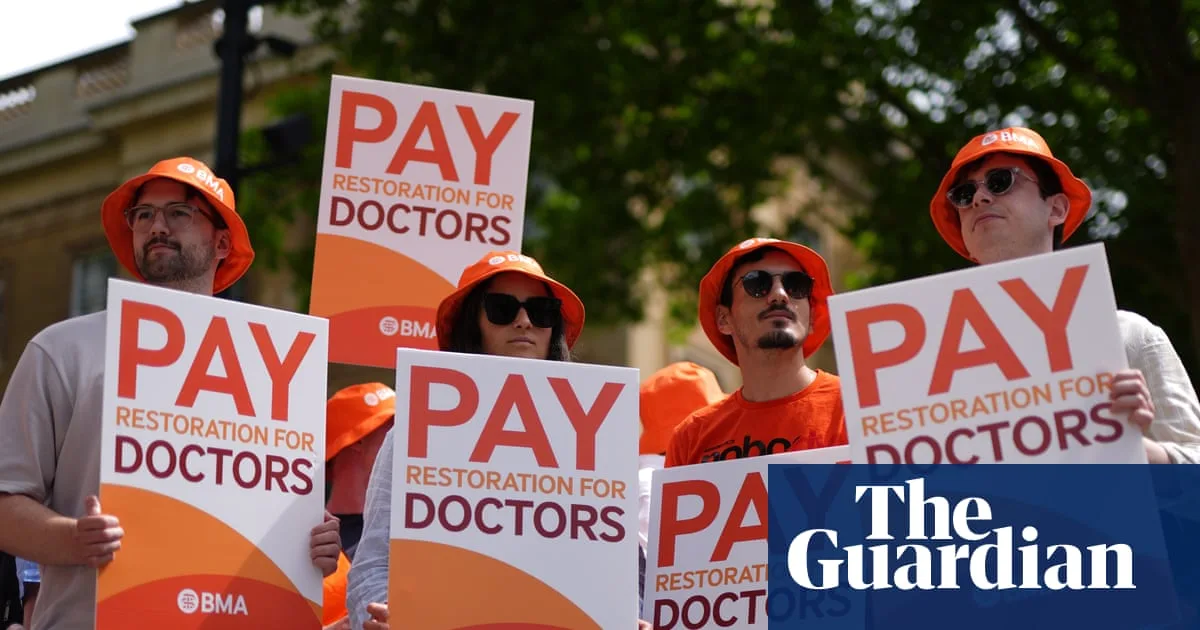
The Labour government, which came to power in 2024 with a pledge to halt constant strikes, is now confronting another major industrial action by doctors. The British Medical Association (BMA) has announced that resident doctors, formerly known as junior doctors, will stage a six-day strike from 7am on Tuesday 7 April until 6.59am on 13 April. This marks the 15th such action in three years, threatening significant disruption to patient care and costing the NHS an estimated £40 million per day.

Root Causes of the Dispute

At the heart of the conflict is pay. An independent pay review body recommended a 3.5 per cent increase, which ministers accepted but the BMA rejected. The BMA's resident doctors committee stated that negotiations with the government failed to deliver sufficient progress, with goalposts being moved at the last minute. Doctors are demanding more money, better conditions, and the restoration of their real-terms salaries to 2008 levels, which would require an approximate 16 per cent increase on top of cumulative rises of nearly 30 per cent over the past three years.

However, these figures are contested. Critics argue that the BMA has selected an arbitrary baseline year that maximises its claim and uses the outdated Retail Price Index instead of the Consumer Price Index for inflation calculations. Moreover, economists note that freezing wages indefinitely in real terms ignores dynamic labour market factors like supply, demand, and productivity.

Wide Pickt banner — collaborative shopping lists app for Telegram, phone mockup with grocery list

Government Response and Public Impact

Health and Social Care Secretary Wes Streeting expressed disappointment, calling the strike "enormously disappointing" despite the government's offer of a "landmark new deal" with more frequent pay rises and additional training places. NHS trusts will implement protocols with the BMA to protect lives, but the strike is expected to postpone operations, tests, and treatments, potentially harming patient health outcomes.

This action undermines Labour's 2024 election promise to end strikes, a key part of their claim to competence and ownership of the NHS as a political asset. Chancellor Rachel Reeves allocated around £600 million to normalise the situation, but industrial peace remains elusive. The strike may lengthen waiting times, push more people toward private healthcare, and erode public satisfaction with the NHS, fueling debates about alternative systems, such as insurance-based models advocated by figures like Nigel Farage.

Political Implications and Alternatives

Reform is considering ending the tax-funded care model, while the Conservatives, who underfunded the NHS after 2010, propose banning doctors' strikes through minimum service guarantees—though this might not prevent disruptions if doctors work strictly to contract. For Wes Streeting, the strike poses a personal challenge; he has denied speculation about replacing Keir Starmer and insists the health job is his sole ambition. Failure to resolve this dispute could damage his reputation as an effective deliverer in government.

Ultimately, this strike highlights ongoing tensions in the NHS, testing Labour's ability to manage healthcare crises and raising questions about the future of public health services in the UK.

Pickt after-article banner — collaborative shopping lists app with family illustration




