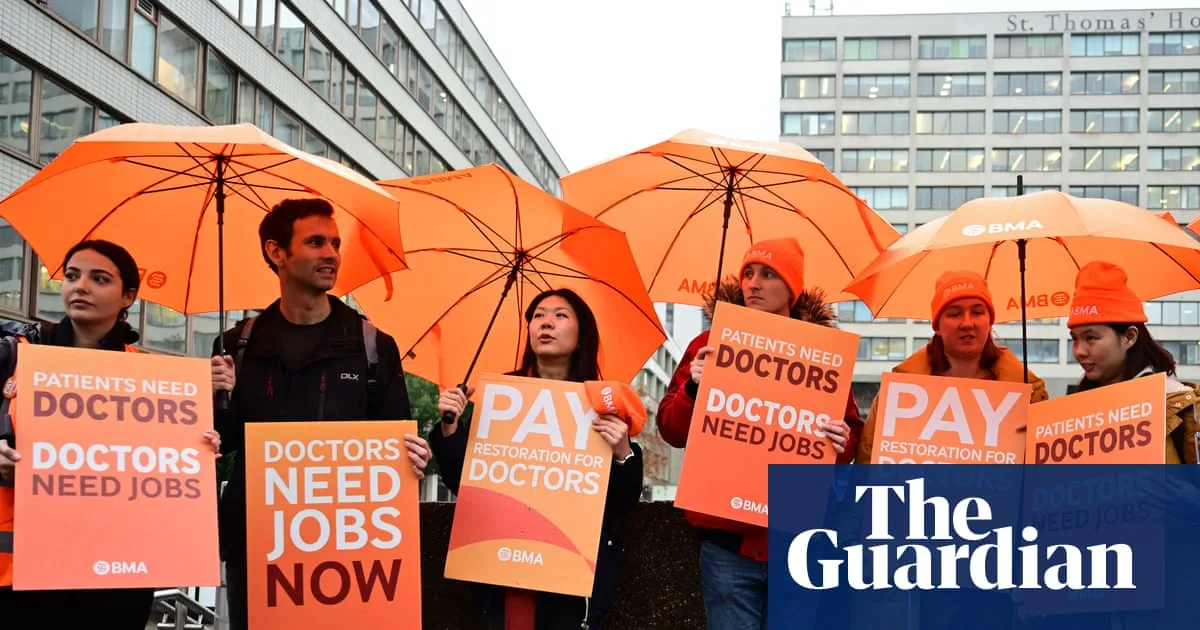
Resident Doctor's Strike: A Personal Plea for Fairness in the NHS
The prime minister's 48-hour ultimatum to resident doctors, demanding they call off a six-day strike, has transformed a protracted industrial dispute into a deeply personal conflict. Keir Starmer warns that refusing a 4.9 per cent pay rise risks losing a thousand new training places, branding striking doctors as "reckless". But for doctors like Dr Holly Tarn, this label feels profoundly unjust, as they grapple with financial hardship and systemic strain in the NHS.
The Harsh Reality of a Doctor's Finances
Dr Tarn, a newly qualified full-time doctor, takes home approximately £1,700 per month after tax. Once student loan repayments are deducted—with medical graduates often saddled with debts around £90,000—this meager sum must cover all living expenses. Half of it goes directly to childcare, essential for her to attend work. Her annual salary of £38,831 represents a 20 per cent real-terms decline since 2008, and a stark contrast to the equivalent of £85,000 earned by doctors in the 1980s.
This financial squeeze is not merely about pay; it is compounded by hidden costs rarely discussed outside the profession. Tuition fees alone left Dr Tarn £50,000 in debt, and ongoing expenses include postgraduate exams costing over £1,000 each, self-funded conferences, frequent relocations, and mandatory memberships and indemnity fees that are often not reimbursed as promised.
Beyond Pay: The Crumbling NHS Infrastructure
The dispute extends far beyond monetary concerns, touching on the very fabric of the NHS. "Corridor care" has become routine, with patients waiting hours or days for beds, ambulances queuing outside hospitals, and wards operating with skeleton staff. When senior cover is absent, resident doctors bear the brunt of the pressure, often sacrificing breaks and opportunities for learning or recovery.
Demand is escalating due to an ageing population, complex medical conditions, and a persistent backlog, while the workforce fails to keep pace. Training posts are fiercely competitive, bottlenecks are worsening, and thousands of qualified doctors face unclear progression paths. This environment erodes morale and energy, leading to a quiet attrition that threatens the system's sustainability.
A Call for Government Listening and Action
Health secretary Wes Streeting has adopted a combative tone, dismissing doctors' concerns in a manner that feels more like confrontation than negotiation. This approach is misguided, as the strike is no longer just an industrial dispute but a test of the government's willingness to listen to its essential workforce.
Most doctors do not desire to be on picket lines; they yearn to be on wards, practicing the medicine they trained for. However, goodwill diminishes when they feel undervalued, witness systemic failures affecting patients, and face accusations of being the problem. Striking becomes a last resort when reasonable dialogue fails.
Resolution requires moving beyond headline pay figures to address retention, training capacity, and working conditions honestly. Restoring morale is central to maintaining NHS functionality, and a shift in tone is crucial—from demanding "be reasonable" on unreasonable terms to genuinely valuing the workforce.
Dr Tarn and thousands of her colleagues are not striking out of greed but out of necessity, as the NHS risks losing doctors who can no longer afford to stay in the profession they love. This is not recklessness; it is a desperate bid for survival in a system at breaking point.






