
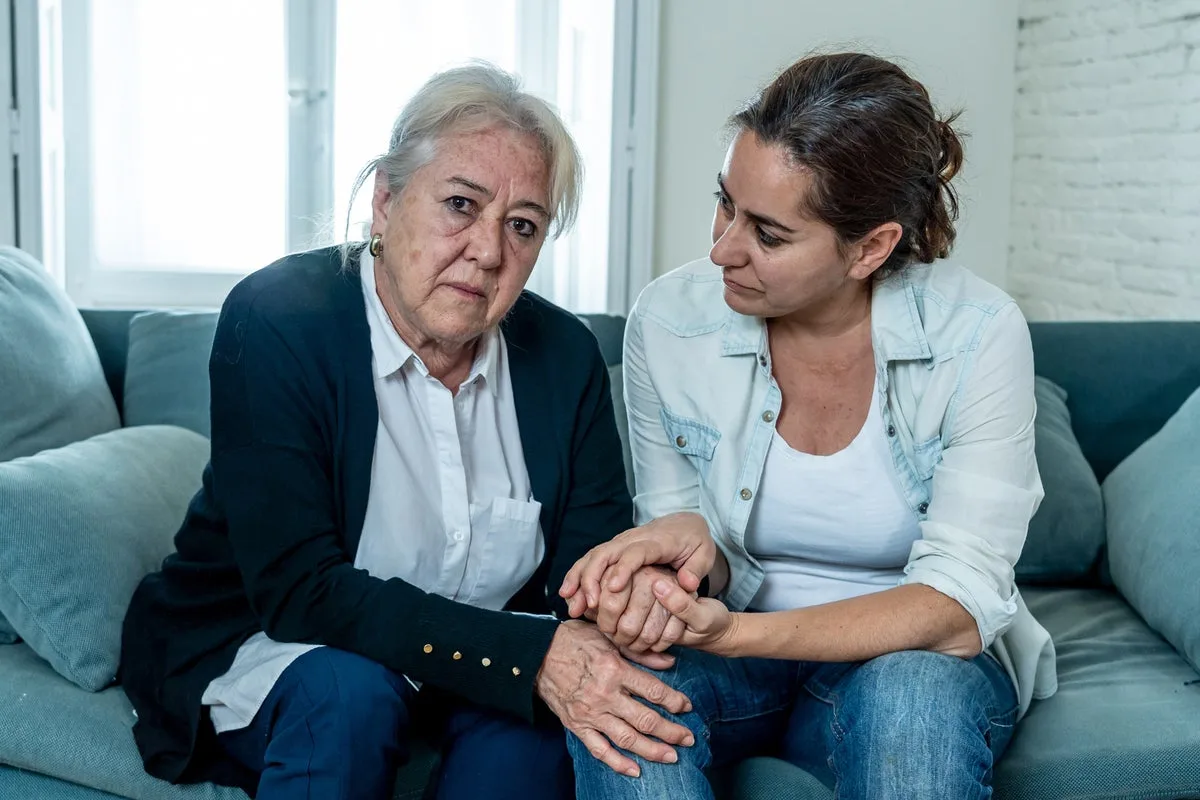
Dementia has overtaken cancer as the most feared health condition in the UK, according to new research. The study, conducted by home care provider Home Instead, surveyed 4,000 people including 1,600 family carers over the course of a year.
Around 31 per cent of family carers now fear dementia, a 4 per cent increase from last year, while concerns about cancer dropped from 30 per cent to 21 per cent over the same period. Almost two-thirds of respondents (63 per cent) called on the government to declare dementia a health emergency, and nearly 90 per cent of carers advocated for a dedicated dementia allowance to help fund care.
Martin Jones, chief executive of Home Instead, said: “Dementia has now eclipsed cancer as our greatest health fear for the future. Unlike cancer, where decades of research have shifted perceptions and care outcomes, dementia feels like a greater threat – a condition with no cure in sight.”
While cancer remains the leading cause of death in the UK and nearly one in two Brits will be diagnosed with it in their lifetime, survival rates have doubled in the past 50 years. In contrast, dementia remains incurable, and every three minutes someone in the UK develops the condition, according to the Alzheimer’s Society.
David Thomas of Alzheimer’s Research UK said: “We are at a tipping point for dementia research, but we need the government to be more ambitious in tackling what is the UK’s biggest killer.” He noted that blood tests for Alzheimer’s are being trialled in parts of the NHS and more new drugs are being researched than ever before. However, the NHS website states that because dementia is caused by different diseases, a single cure is unlikely, though promising advances are being made.
Last October, the drug donanemab, which can slow cognitive decline in early Alzheimer’s, was licensed in the UK as a private treatment, but the National Institute for Health and Care Excellence (NICE) recommended it not be provided through the NHS as it did not meet the cost-effectiveness threshold.




