Dementia is claiming lives at a faster-than-anticipated pace, with newly released figures showing a troubling spike of 2,500 excess deaths from the condition in England during the last year.
Sharp Rise in Dementia Mortality
According to official statistics published yesterday, more than 68,000 individuals died from dementia or Alzheimer's disease in 2025. This staggering number represents nearly one in seven of all registered deaths across the nation.
It has been a full decade since dementia surpassed heart disease to become the United Kingdom's leading cause of death – a grim distinction it has maintained consistently, with the notable exceptions of the Covid pandemic years in 2020 and 2021.

Increasing Proportion of Total Deaths
In 2024, dementia and Alzheimer's disease were responsible for just over 12 per cent of all deaths recorded in England and Wales. However, the latest data indicates a significant escalation in 2025, with the condition now believed to account for approximately 14 per cent of all registered deaths in England alone.
An NHS England spokesperson emphasised the human impact behind these numbers, stating: 'Behind every statistic is a family – and we are determined to improve dementia care.'
The spokesperson further explained: 'These figures largely reflect wider trends, with the NHS diagnosing thousands more people with dementia last year compared with the year before, thanks to improved recognition of the disease, as well as an ageing population.'
Growing Prevalence and Diagnosis Challenges
Currently, around 900,000 people across the UK are living with dementia. This number is projected to increase dramatically to 1.4 million by 2040, driven primarily by the rising incidence of Alzheimer's disease.
According to the Alzheimer's Society, more than a third of individuals with the condition have not yet received a formal diagnosis. The NHS maintains that obtaining a diagnosis represents a crucial initial step in combating the disease.
'Getting a diagnosis of dementia is the first step in supporting people, with a wide range of NHS services available to help,' the spokesperson affirmed. 'If you have noticed that someone has symptoms, please encourage them to visit their GP for an assessment. The sooner someone is seen, the quicker the NHS can help.'
Postcode Lottery in Care
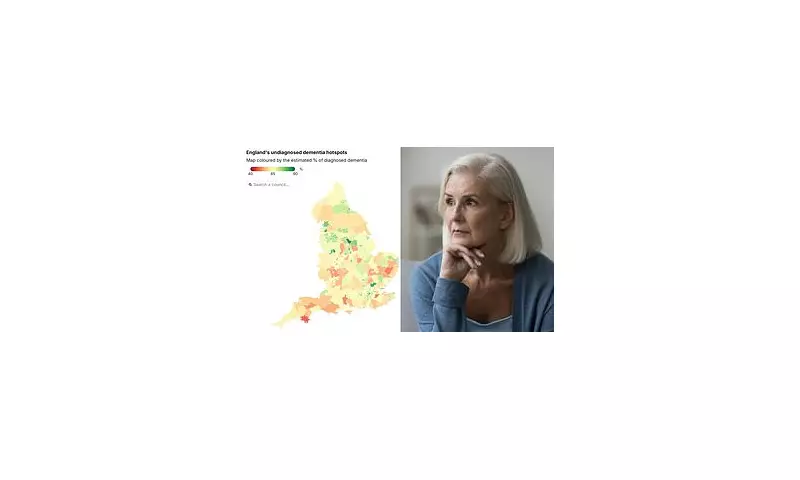
These concerning statistics emerge alongside fresh analysis revealing that dementia patients continue to face a postcode lottery of care. The NHS has failed to meet diagnosis targets in more than half of local authorities throughout England.
Campaigners argue that people living with dementia encounter what they describe as a 'cruel injustice' – often facing higher care costs while simultaneously having no access to NHS medications that can cure, prevent, or meaningfully slow the progression of their disease.
Treatment Access and Policy Concerns
In 2024, NHS patients were denied access to the much-anticipated Alzheimer's drug lecanemab after officials determined it was not cost-effective. This medication represents the first treatment demonstrated to slow the progression of Alzheimer's disease, which gradually impairs memory, thinking skills, and other cognitive abilities.
Despite the escalating death toll and absence of new treatments, dementia was removed from official NHS planning guidance last year – a move that has raised concerns about whether the condition is still being treated as a priority within the healthcare system.
Government Response and Framework
In response to mounting criticism, the Government has committed to delivering the inaugural Modern Service Framework for Frailty and Dementia, designed to establish national standards and enhance the quality of care provided.
Nevertheless, analysis indicates that the NHS continues to fall short of the Government's ambition to diagnose 66.7 per cent of dementia cases in most areas. The current national average stands at 66.5 per cent.
London performs most poorly in this regard, with only around one in three cases receiving a diagnosis – the lowest rate of any region in the country.

Official Statements and Expert Recommendations
Addressing the diagnosis gap, Health Minister Stephen Kinnock stated: 'Getting a timely diagnosis can be life-changing – it means people can access the care and support they need to live well for longer. This Government is making progress, with diagnosis rates rising, but there is much more to do.'
Dr Jeremy Isaacs, NHS national clinical director for dementia, added: 'The number of people diagnosed with dementia is at a record high and just 0.2 per cent away from our national ambition. The NHS urges anyone concerned about someone they know developing dementia to encourage them to see their GP for an initial assessment.'
This warning coincides with world-leading experts this week outlining 56 evidence-based recommendations aimed at reducing dementia risk. These include better management of high blood pressure and more robust public-health messaging initiatives.