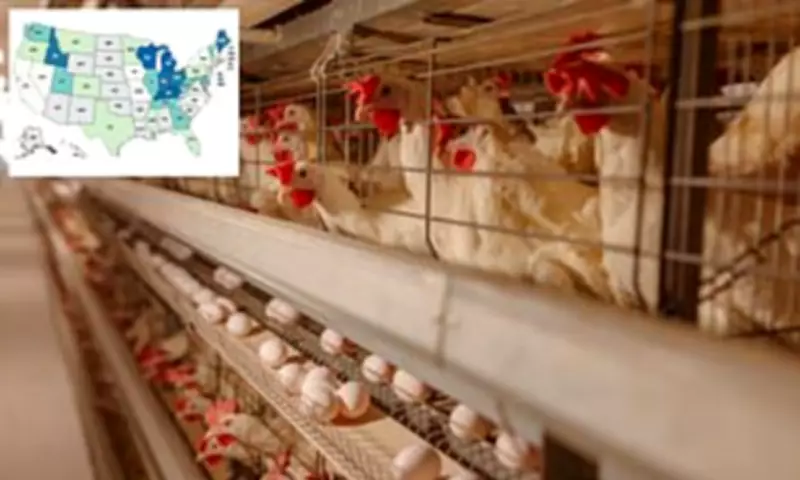
Dozens more patients have been sickened and hospitalized, and one person has died from an antibiotic-resistant strain of bacteria linked to backyard poultry flocks. Last month, the CDC warned of a Salmonella Saintpaul outbreak among people reporting contact with poultry. Initially, 34 people were sickened and 13 hospitalized across 13 states. In the latest update published Thursday, there are now 184 cases, 53 hospitalizations, and one death in 31 states. New outbreak strains of Salmonella Enteritidis and Salmonella Mbandaka have also emerged.
Outbreak Details
The CDC noted an unusually high number of people reporting contact with ducks. Salmonella infections typically cause diarrhea and stomach cramps within six hours to six days, resolving in four to seven days. However, in high-risk groups—children under five and adults over 50—the bacteria can spread to the bloodstream, causing potentially fatal sepsis. Treatment with antibiotics is standard, but antibiotic resistance severely limits options and increases complication risks.
State-by-State Breakdown
Kentucky has the highest number of cases with 22, followed by Michigan (21), Wisconsin (17), Ohio (15), and Idaho, Indiana, and Maine (10 each). The sole death was reported in Washington state, which has nine cases. The Saintpaul strain infected 133 people, Enteritidis 32, and Mbandaka 19. Illnesses began between January 17, 2026, and April 20, 2026.

The CDC emphasized that the true number of sick people is likely higher, as not all infected individuals seek treatment or testing. Patients range from less than one year old to 86, with about one-quarter under five. Of 141 interviewed, 110 (78%) reported contact with backyard poultry. Among Saintpaul patients with poultry contact, 51 reported contact with chicks or chickens and 35 with ducklings or ducks; 16 specified Pekin ducks.
Investigation and Resistance
The CDC is investigating links between cases. Of 70 backyard poultry owners, 61 purchased animals since January from various sources, including agricultural retail stores. The outbreak strains have been linked to five hatcheries. Investigators in Ohio collected samples from poultry and shipping boxes, finding the same Salmonella strains in both animals and humans. Of 184 human samples, 133 were resistant to fosfomycin, a broad-spectrum antibiotic; all six animal samples also showed resistance. Fifty-nine human samples were resistant to one or more other common antibiotics.
Prevention Advice
Health officials urge anyone in contact with poultry to wash hands with soap and water immediately after touching birds, eggs, or their environment. Avoid kissing poultry, eating or drinking near them, and ensure children are supervised and wash hands properly. Those suspecting illness should contact their healthcare provider. Chickens and other poultry often carry Salmonella in their intestines without symptoms, spreading bacteria via feces, contaminated feathers, and eggs. Officials stress that backyard poultry can carry Salmonella even if they appear healthy.