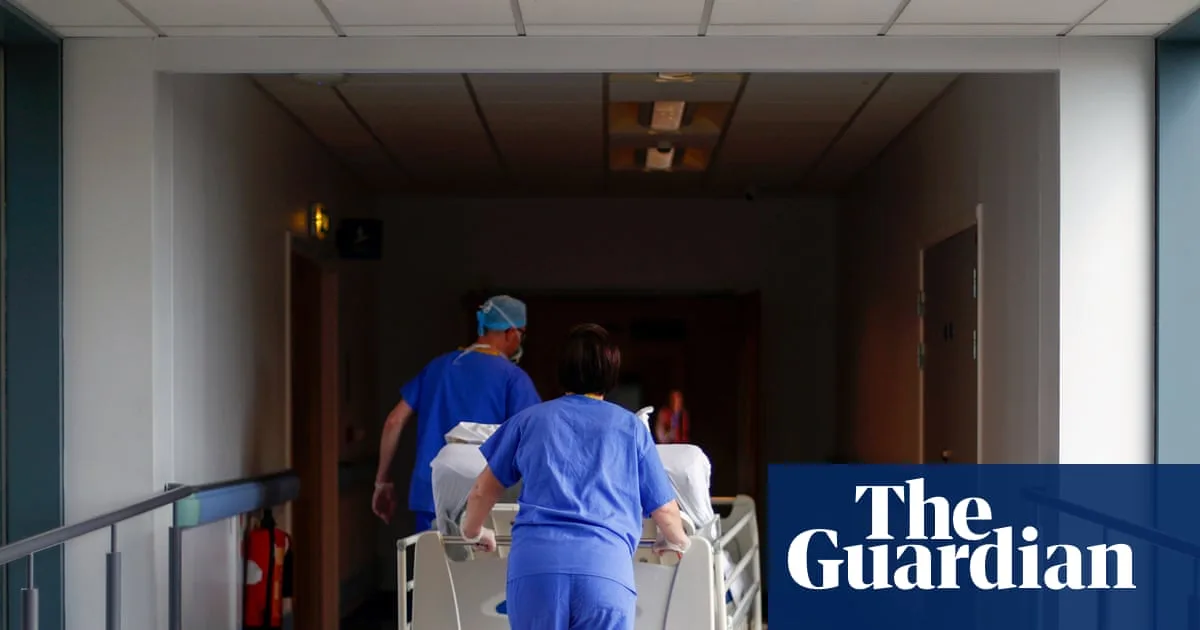
Covid Inquiry Slams NHS Overwhelmed Despite Tory Denials

Covid Inquiry Delivers Damning Verdict on NHS Overwhelm

The UK Covid-19 Inquiry has issued a stark conclusion that the National Health Service was "overwhelmed" during the coronavirus pandemic, directly contradicting repeated denials from former Prime Minister Boris Johnson and ex-Health Secretary Matt Hancock. This landmark report, part of the largest public inquiry in British history, paints a grim picture of a healthcare system pushed to its limits.

Systemic Failures and Political Denials

The inquiry, chaired by Baroness Heather Hallett, found the NHS entered the pandemic "ill-prepared, overstretched, and in a precarious state" after a decade of Conservative governance. Critical shortages in hospital beds and staff led to increased Covid-19 fatalities and delayed treatments for other conditions, some becoming inoperable. Despite this, Boris Johnson asserted in his evidence that he "succeeded in the central aim... to prevent the overwhelming of the NHS," later dismissing concerns by stating, "I no longer buy all this NHS overwhelmed stuff." Similarly, Matt Hancock claimed actions were taken to ensure the NHS was never overwhelmed.

Brink of Collapse and Human Cost

Baroness Hallett's report details how the healthcare systems "came close to collapse" multiple times, saved only by the "almost superhuman efforts" of healthcare workers. Emotional testimony described patients "raining from the sky," with critical care nurses forced to manage six patients simultaneously instead of the usual one-on-one care. The inquiry heard harrowing accounts of individuals dying alone, with a hospital porter recalling, "so many people died on their own... which was horrific." Government messaging to "protect the NHS - save lives" may have inadvertently reduced attendance for life-threatening emergencies like heart attacks.

Wide Pickt banner — collaborative shopping lists app for Telegram, phone mockup with grocery list

Pre-Pandemic Warnings Ignored

The report reveals that the Government was aware before Covid-19 that a moderate pandemic could breach intensive care capacity, yet failed to act. England's Chief Medical Officer Sir Chris Whitty noted this was a "political choice" resulting in reduced reserves. Comparative data showed the UK entered the pandemic with just 7.3 critical care beds per 100,000 people, far below Germany's 28.2 or the Czech Republic's 43.2. This lack of preparedness was exacerbated by high nursing vacancies and an ageing hospital estate, outcomes of austerity measures under previous Tory leadership.

Key Recommendations for Future Crises

To prevent a recurrence, the inquiry urges immediate implementation of several recommendations:

  • Increase hospital capacity to enable surge responses in emergencies.
  • Strengthen infection control guidance in healthcare settings.
  • Improve data collection on high-risk individuals.
  • Standardise advanced care planning to avoid unauthorised "do not resuscitate" orders.
  • Enhance support for healthcare workers to maintain workforce willingness.
  • Publish guidance for decision-makers when critical care resources are exhausted.

Baroness Hallett warned that without these changes, future pandemics may lack a workforce willing to endure similar conditions. The inquiry, costing over £200 million, aims to provide a blueprint for better preparedness, with this report being one of ten modules to be released.

Pickt after-article banner — collaborative shopping lists app with family illustration




