
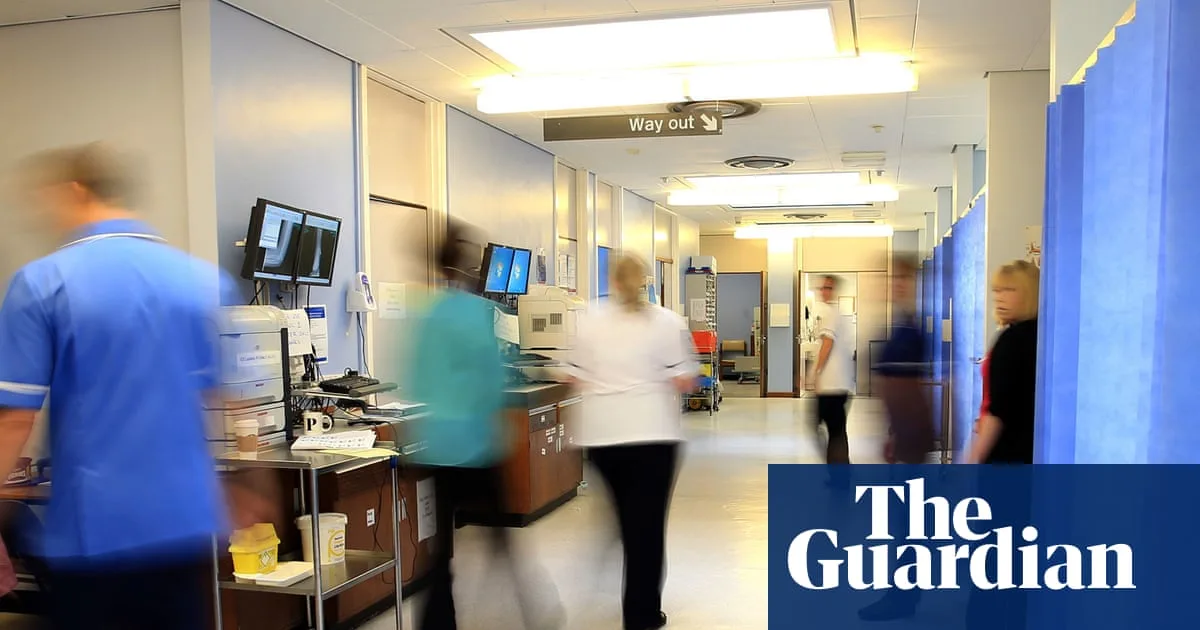
The NHS is preparing for its most severe winter crisis in the next fortnight as a worsening “flu-nami” places hospitals, GP surgeries, and ambulance services under intense strain. Health leaders have warned that despite record numbers of flu patients already being treated, the situation is expected to deteriorate further in the days ahead, with medical bosses urging people to get vaccinated before Christmas gatherings.
NHS England data released on Thursday showed an average of 2,660 people a day were hospitalised with flu last week – a 55% increase on the previous week's 1,717, and the highest figure ever recorded for the first week of December. That total included 106 patients in intensive care, most with breathing difficulties. Prof Meghana Pandit, NHS England’s joint medical director, said the numbers were “extremely high for this time of year” and that “the peak is not in sight yet”, leaving the health service facing “an extremely challenging few weeks”.
The pressure is being compounded by respiratory syncytial virus (RSV), which mainly affects babies and the elderly, as well as Covid. Combined with a mutated and highly virulent flu strain, these threats risk “engulfing hospitals”, according to Pandit. A growing number of hospital trusts have been forced to declare critical incidents, admitting they cannot cope with demand without additional help.
Meanwhile, Prime Minister Keir Starmer and Health Secretary Wes Streeting have launched a coordinated attack on the British Medical Association over its decision to call thousands of resident doctors out on strike next week. The five-day walkout, due to start on Wednesday, has caused alarm across the service, with NHS England chief executive Sir Jim Mackey describing it as “cruel”, “calculated”, and designed to “cause mayhem”. The strike may yet be called off if enough doctors support the government’s improved offer, tabled by Streeting on Wednesday.
The UK Health Security Agency has appealed to those who have not yet had a flu jab to do so promptly. Latest figures show worryingly low take-up among at-risk groups: only 37.4% of under-65s with long-term health conditions had been vaccinated by 7 December, along with 35.6% of pregnant women, 41.5% of children aged two or under, and 42.3% of three-year-olds. However, uptake among over-65s stands at a much higher 71.7%. Dr Conall Watson, a consultant epidemiologist at UKHSA, said: “There is still plenty of flu vaccine available to protect those who need it. What’s running out is time to be protected ahead of Christmas.”
Experts stressed the importance of vaccination and precautionary measures. Ed Hutchinson, a professor of molecular and cellular virology at Glasgow University, noted that “masking, social distancing and working from home can have a large impact on the spread of influenza viruses.” Shereen Hussein, a professor of health policy at the London School of Hygiene & Tropical Medicine, urged people to check on older relatives and neighbours and take them to be vaccinated, adding: “This Christmas, safe connection should be the priority.”




