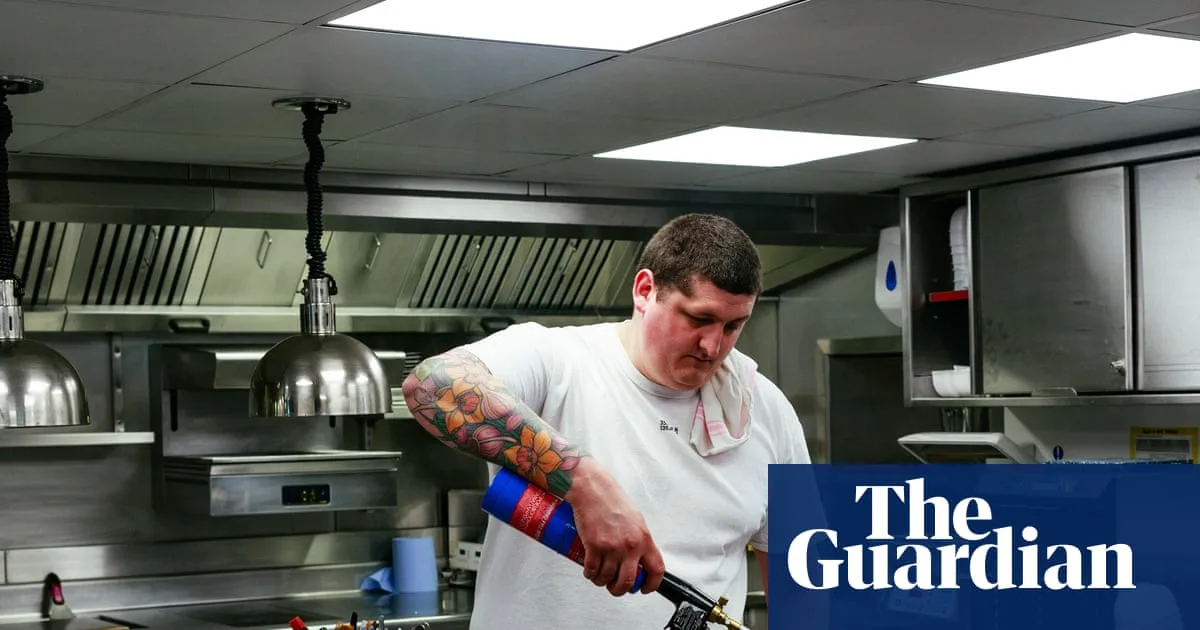
Gareth Ward, the chef-owner of Ynyshir, a two-Michelin-starred restaurant in Wales, has sparked controversy after revealing his establishment received a one-star hygiene rating from Ceredigion County Council. The rating, which indicates the restaurant is operating below minimum legal standards, has ignited a debate about whether elite dining venues should be held to the same food safety rules as other eateries.
Ward defended the poor score, attributing it to inspectors' concerns over the use of raw and aged ingredients in his 30-course tasting menu, which costs £468 per person. The menu features dishes such as sashimi, oysters, and duck liver, served over five hours in a black-painted dining room with birch smoke and techno music. Ward stated he was "not embarrassed" by the rating, claiming the inspectors were "not 100% wrong" and that overwhelming paperwork contributed to the issue. He has since installed an additional hand-washing station in the fish preparation area.
Food critic Giles Coren waded into the debate, telling the BBC that health and safety rules "don't really apply" to restaurants like Ynyshir, which was named the UK's best restaurant in 2022 and 2023. He argued that the establishment operates in "a different sort of world" and that a hygiene inspector would "lose his mind" seeing its unconventional practices. However, his comments drew sharp criticism from the Chartered Institute of Environmental Health (CIEH), which warned that such remarks risked implying food hygiene rules were "optional, subjective or old-fashioned."
Una Kane, chair of CIEH's food advisory panel, said it was "insulting" to suggest that unique dining experiences cannot coexist with food safety standards. "No food business should see itself as above the law," she added. Meanwhile, Tomono Davies, founder of Tomono Sushi Party, noted that handling raw fish should not inherently affect a hygiene rating, as many restaurants serve raw dishes like steak tartare. She suggested that cultural differences in cleanliness and chef discipline might explain the stricter UK regulations.
The debate highlights ongoing tensions between culinary innovation and regulatory compliance, with Ward's outspokenness drawing both praise and criticism. His previous comments, including dismissing the idea of cooking for customers rather than himself and defending high prices, have kept him in the spotlight. As the row continues, the incident underscores the challenges faced by high-end restaurants in balancing creativity with legal obligations.