CDC Data Crisis: Nearly Half of Health Surveillance Databases Stalled
A comprehensive new audit has revealed that nearly half of federal health surveillance databases operated by the Centers for Disease Control and Prevention have either stopped or significantly delayed their routine updates. This alarming development comes as public health experts warn of potentially dire consequences for the nation's ability to monitor and respond to disease outbreaks.
Audit Reveals Widespread Data Gaps
Researchers from Vanderbilt University, the University of North Carolina at Chapel Hill, and the Boston University School of Law conducted an extensive review of nearly 1,400 public records from the CDC. Their findings show that 38 out of 82 databases that were normally updated monthly experienced unexplained pauses beginning last spring.
More than a third of these paused databases experienced interruptions lasting more than six months, with only one database resuming updates by early December. The affected databases primarily cover vaccination topics, representing nearly 90 percent of the paused systems, while others monitor respiratory diseases and drug overdose deaths.

Experts Sound Alarm Over Public Health Implications
Former National Institute of Allergy and Infectious Diseases director Dr. Jeanne Marrazzo, who is currently suing the administration over public health warnings, issued a stark warning about the implications of these data gaps. "The evidence is damning: The administration's antivaccine stance has interrupted the reliable flow of the data we need to keep Americans safe from preventable infections," she asserted in an accompanying editorial.
Marrazzo emphasized that "the consequences will be dire" if public health leaders and providers cannot access accurate and timely data. She warned that this undermines the ability to recognize disease outbreaks and mount effective responses, noting that the findings align with broader administration actions that have eroded trust in vaccines.
Administration Response and Context
The Department of Health and Human Services responded to inquiries by stating that the CDC continues to report COVID-19 and Respiratory Syncytial Virus activity through its respiratory virus surveillance systems, along with weekly flu activity via the FluView database. Department spokesperson Andrew Nixon told NBC News that "changes to individual dashboards or update schedules reflect routine data quality and system management decisions, not political direction."
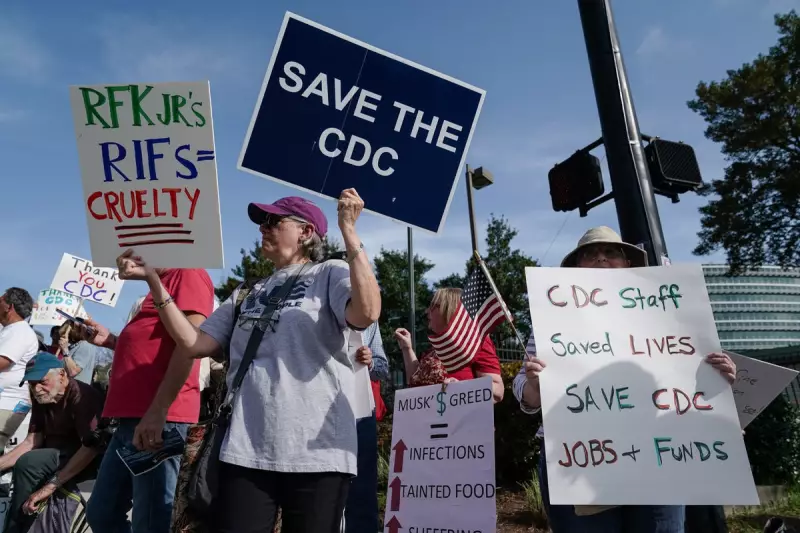
However, this data crisis occurs against a backdrop of significant structural changes at the CDC. Health Secretary Robert F. Kennedy, Jr. announced in April that he was "slashing unhealthy fat" at the agency, with plans to move some functions to a new Administration for a Healthy America, though implementation timelines remain unclear.
Broader Impact on Public Health Infrastructure
The audit builds upon previous research showing that staff cuts last year eliminated more than a dozen data-gathering programs tracking various health indicators, including pregnancy outcomes, abortions, occupational injuries, sexual violence, and lead poisonings. Beyond database pauses, public data pages have been removed from the CDC website, departments have been shuttered, and regular newsletters have ceased publication.
Scott Becker, CEO of the Association of Public Health Laboratories, described the situation to POLITICO in April as "flying blind," emphasizing that "missing that expertise and that connection between laboratory information and outbreak investigation means we are flying blind."
Current Public Health Crisis Context
These data challenges emerge during what has become a historic public health crisis in the United States. The nation is experiencing its worst measles outbreak in more than three decades, with CDC data showing 416 cases reported this year across 14 states. Scientists are monitoring whether America might lose its longstanding measles elimination status.
Simultaneously, Americans are contending with surges in whooping cough and a particularly severe flu season. Measles remains vaccine-preventable, with two doses of the measles-mumps-rubella vaccine proving 97 percent effective against the highly contagious illness.

Dr. Marrazzo emphasized the critical importance of updated databases in this context: "Crafting a rapid response to these types of events requires that we know about them in the first place." The study did not determine specific reasons for the database pauses, but Marrazzo suggested that whether caused by intentional disregard for immunization data sharing or workforce shortages due to agency reductions, both pathways demonstrate what she called "a profound disregard for human life, scientific progress, and the dedication of the public health workforce."