
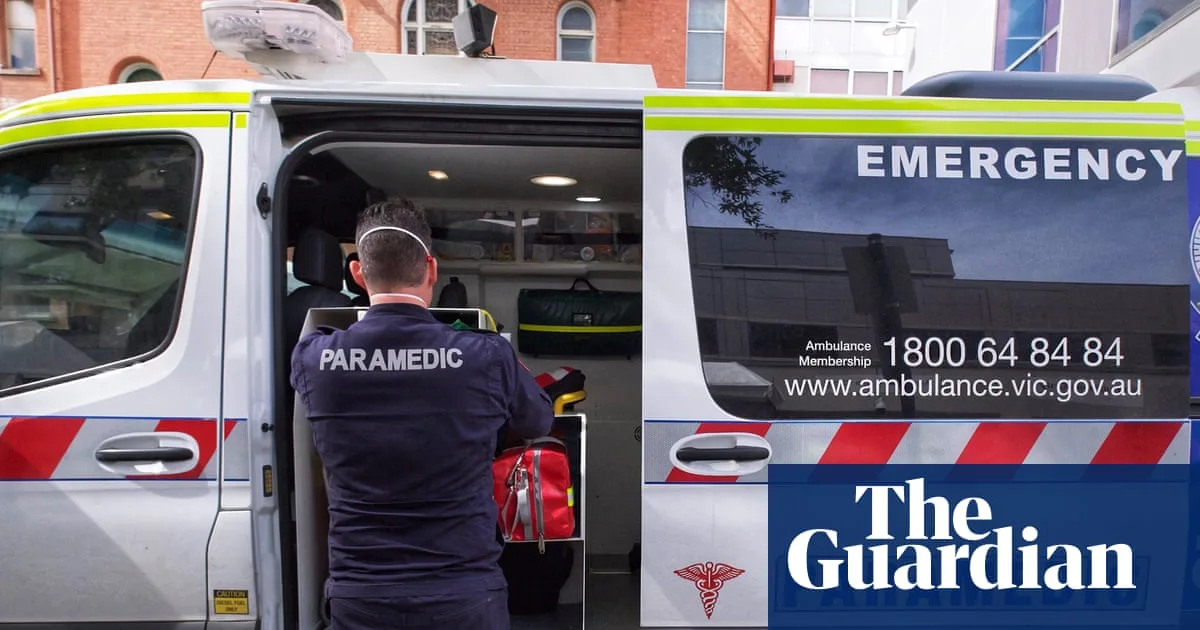
A paramedic with nearly a decade of experience has described how the job has fundamentally altered their perception of everyday life, from loading a dishwasher to looking at trampolines. Speaking about the transformation, they said the role instils a hyper-awareness of potential dangers that never switches off, even when off duty.
Almost any environment becomes a site for risk assessment: cafes, living rooms, or children's parties. The paramedic noted they now automatically check for exits, sharp corners, and the functionality of defibrillators. They recounted intervening at a party when a toddler chewed a deflated helium balloon, explaining to parents that such items can block airways quickly.
The job has led to personal lifestyle changes, such as never riding a motorbike or using a trampoline, having seen the severe consequences of accidents involving both. Early in their career, they attended to a motorcyclist whose spinal cord was severed despite wearing a helmet. Trampoline incidents include a child who landed on a garden stake after being launched off the mat.
Recreational drugs are also avoided, as the paramedic has witnessed overdoses from cocaine laced with fentanyl and the effects of ketamine they have administered medically. They noted that pattern recognition from repeated exposure to trauma has made them more cautious.
Conversely, the paramedic has become immune to common anxieties, such as those triggered by smartwatches alerting users to elevated heart rates. Many calls stem from misinterpreted data, with watches mistaking burpees for car accidents or falls when dropped. The paramedic observed that people are outsourcing common sense to apps, while algorithms lack context.
Death no longer scares them, having seen it occur in unexpected places like during a jog or in a McDonald's toilet. This acceptance has paradoxically made them calmer, assuming the universe is indifferent to human plans.




