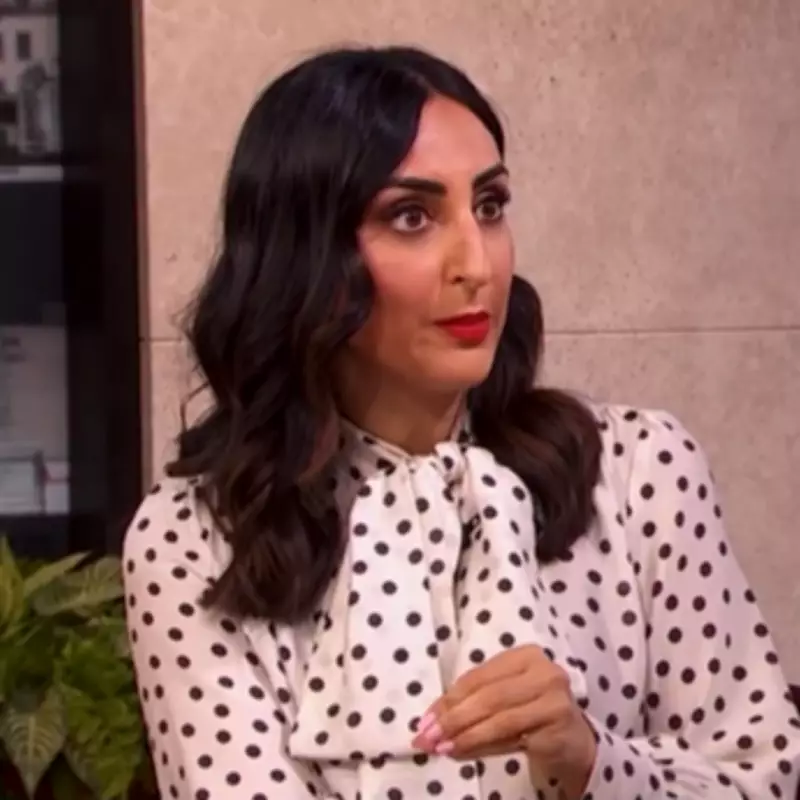
In a critical public health alert, BBC's Dr Punam Krishan has issued a stark warning to approximately 60,000 people annually affected by blood clots, describing the condition as "potentially life-threatening" if left untreated. The urgent message, delivered on BBC Morning Live, follows the recent tragic death of actress Catherine O'Hara, aged 71, from a pulmonary embolism linked to her cancer treatment.
The Silent Danger of Blood Clots
Blood clots represent a common medical emergency that can strike individuals of any age without warning. Dr Krishan emphasised that while clotting is a natural bodily function designed to prevent excessive bleeding, it becomes dangerously problematic when clots form in inappropriate locations, such as the deep veins of the legs. The most severe complication occurs when these clots dislodge and travel to the lungs, causing a pulmonary embolism which can rapidly prove fatal.
Recognising the High-Risk Groups
Although blood clots can affect anyone, certain demographics face significantly elevated risks. Dr Krishan identified key vulnerable groups including individuals over the age of sixty, those who are overweight, regular smokers, and people taking oral contraceptive pills or hormone replacement therapy. Additionally, patients undergoing cancer treatment, those with a family history of heart failure, varicose veins, or previous blood clots are at heightened danger.

More transient risk factors were also highlighted. Recent childbirth increases susceptibility for several weeks postpartum, while prolonged travel exceeding three hours by any mode of transport raises concerns due to limited mobility. Hospital stays, surgical procedures, and extended periods of bed rest similarly elevate the likelihood of clot formation.
Spotting the Warning Signs
Early detection is crucial for successful intervention. Symptoms vary depending on the clot's location but commonly include:
- Localised pain, swelling, and tenderness
- Warmth and redness or discolouration around the affected area
- For pulmonary embolisms: sudden shortness of breath, sharp chest pain, and rapid heart rate
The NHS urgently advises seeking immediate emergency care by calling 999 or visiting A&E if experiencing breathing difficulties, chest pain, or accelerated heartbeat. Standard medical treatments involve blood-thinning medications like apixaban or rivaroxaban to prevent further clotting.
Avoiding Preventable Tragedies
Dr Krishan's intervention aims to slash the mortality rate associated with blood clots through increased public awareness. "When we hear the word 'blood clot', immediately it sends a fright," she acknowledged, while clarifying that not all clotting is inherently dangerous. The challenge lies in recognising abnormal clot formation before it escalates into a life-threatening situation.
With proper education about risk factors and symptoms, thousands of potentially avoidable deaths could be prevented annually. This warning serves as a vital reminder that vigilance and prompt medical attention are essential defences against this silent health threat.