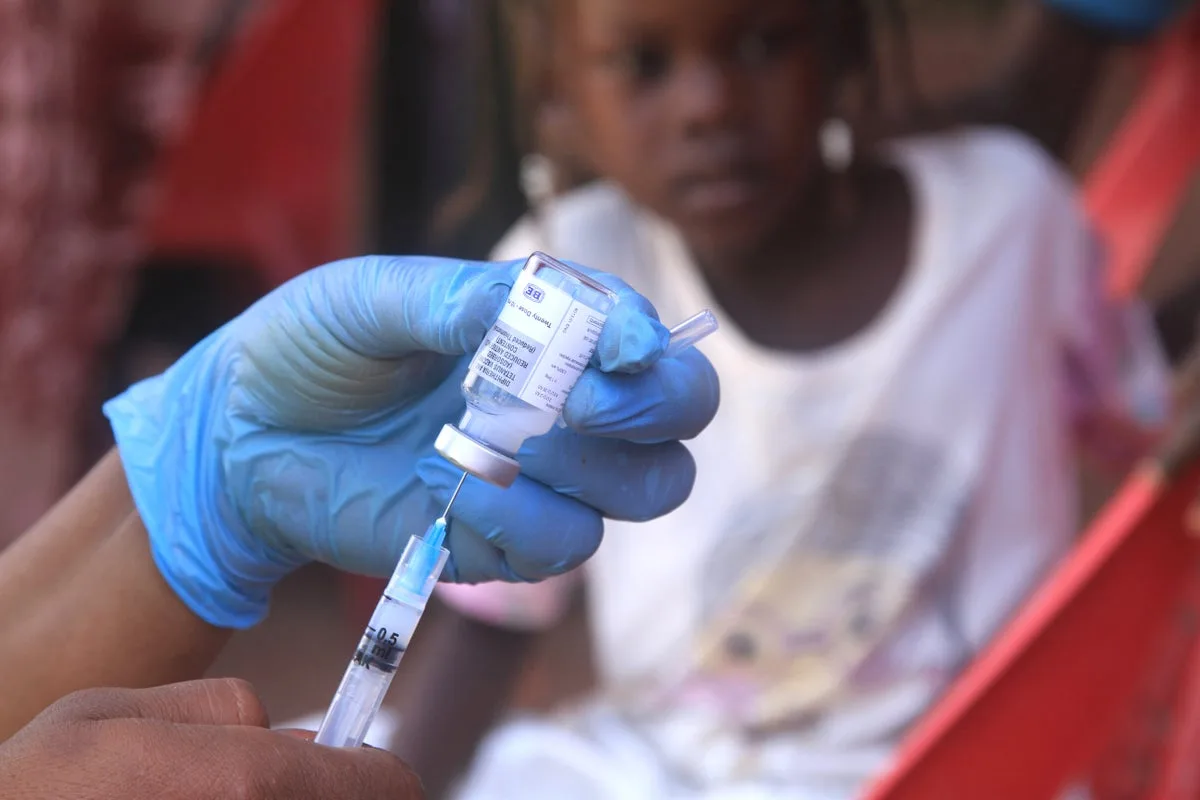
Australia is currently experiencing its most significant outbreak of diphtheria in recent memory, with more than 220 cases recorded across the country. The disease, once considered nearly eradicated, has resurfaced primarily in the Northern Territory, but cases have also been reported in Western Australia, South Australia, and Queensland.
First Diphtheria Death in Nearly a Decade Under Investigation
Authorities are investigating a death in the Northern Territory believed to be linked to diphtheria. If confirmed, this would mark the first diphtheria-related fatality in almost ten years, heightening concerns among health officials.
Health Minister Expresses Deep Concern
Health Minister Mark Butler described the data as 'very concerning' during a press conference on the NSW Central Coast. He noted that national case numbers have been recorded for about 35 years, and this outbreak is 'by a very big distance, the biggest outbreak of diphtheria we've ever seen.' Butler announced that the federal government would work to bolster vaccination rates, which fell to their lowest in five years in 2025.
'More vaccines, a surge workforce is part of the package that we'll be finalising over the course of today, working closely with the NT government and with the Aboriginal controlled sector, because this is overwhelmingly an outbreak being experienced by Indigenous Australians in the NT,' Butler said. He added that the vast majority of new cases are respiratory diphtheria, which is far more serious, with about 25% of cases requiring hospitalisation. 'This is obviously a deep concern for people who are exposed to this disease, but [it is] also starting to place pressure on hospital systems in the NT as well.'
Experts Call for Focused Vaccine Rollout
Experts have urged the vaccine rollout to prioritise areas with limited healthcare access. Adelaide University professor Adrian Esterman told the ABC that many affected communities are in very remote locations. 'It's just that many of them live so far away from a health centre that they don't get the treatment and boosters they need,' Dr Esterman said.
Falling Vaccination Rates Blamed for Outbreak
The decline in vaccination rates since 2020 is not limited to rural areas but is also linked to the broader anti-vaccine movement, fuelled by online misinformation during the COVID-19 vaccine rollout. Biosecurity professor Raina MacIntyre from the Kirby Clinic noted, 'When you look at the timeline of this epidemic, you can see it start to rise after 2020 [and] after 2025 it's really gone up. The remoteness and the healthcare access hasn't changed. That's not the factor that's changed that can explain this epidemic. The factor that has changed is the falling vaccination rates.'
Workforce Crisis Compounds Healthcare Challenges
John Boffa from the Central Australian Aboriginal Congress health service highlighted a severe workforce crisis in the NT. 'We've had a very severe workforce crisis post Covid, and we're not out of that yet. There's actually no signs yet that we're going to see major improvements,' he said. Boffa reported that his large Aboriginal health service is short by 10 full-time equivalent GPs and about 20 nursing positions, with the health department also struggling in remote clinics. 'There's got to be a better policy response to address mal-distribution of workforce across this country. But that's the situation we're in. So we're doing as well as we can with outreach vaccination.'
About Diphtheria
Diphtheria is a highly contagious and potentially fatal bacterial infection that attacks the nose and throat. Symptoms include a grey membrane over the throat and tonsils, sore throat, swollen lymph nodes, difficulty breathing, nasal discharge, fever, chills, and tiredness. Those who suspect they have diphtheria are advised to call Health Direct on 1800 022 222.






