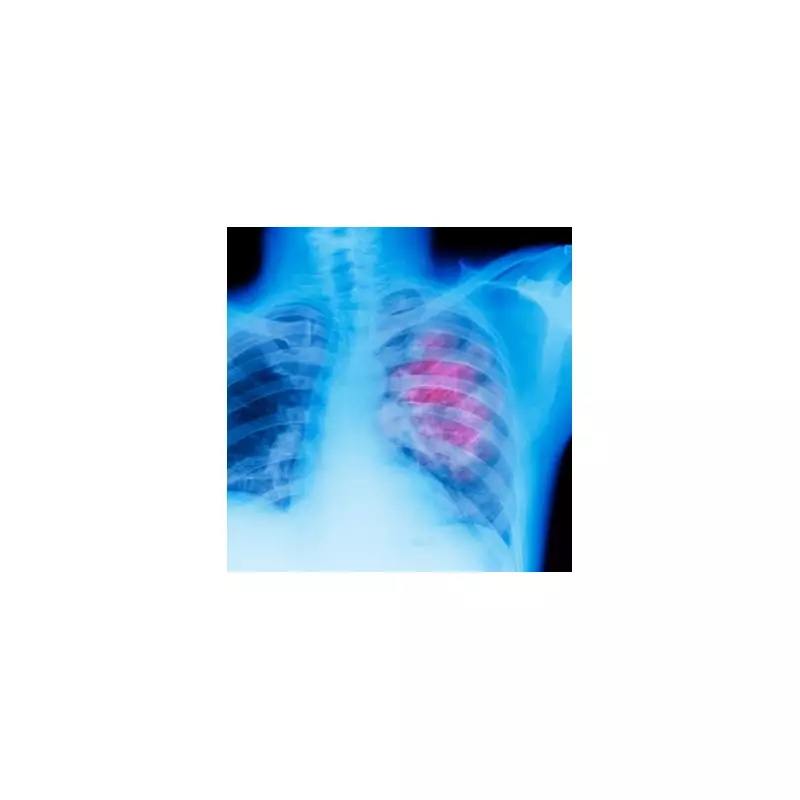
In a significant medical advancement, the NHS has launched a pioneering pilot programme utilising an artificial intelligence-powered robotic catheter to diagnose lung cancers that were previously too deep or small to detect. This innovative technology promises to transform early cancer detection and save lives across the United Kingdom.
Revolutionising Lung Cancer Diagnosis
The groundbreaking system involves a thin robotic catheter that is carefully inserted through a patient's throat to reach deep within the lungs. Once positioned, it can take precise biopsies from suspicious nodules measuring as small as six millimetres – areas that have traditionally been inaccessible to conventional diagnostic methods.
How the AI Technology Works
The process begins with artificial intelligence analysing detailed lung scans to identify potential cancerous nodules that might otherwise go unnoticed. The robotic catheter then navigates to these specific locations with remarkable accuracy, guided by the AI's mapping of the lung's complex internal structure.

Health Secretary Wes Streeting, who personally experienced robotic surgery during his own kidney cancer treatment in 2021, has championed this development. "When I was diagnosed with kidney cancer, the NHS saved my life using robotic technology," he stated. "That experience showed me what's possible when brilliant clinicians have access to cutting-edge innovation."
Transforming Patient Experience and Outcomes
Mr Streeting emphasised that this pilot programme will fundamentally change the diagnostic journey for lung cancer patients. "This pilot will help to catch it earlier, replacing weeks of invasive testing with a single targeted procedure," he explained. "For patients waiting anxiously for answers, this speed and precision can be life-changing."
The significance of this development cannot be overstated, given that lung cancer remains the third most common cancer in the UK. Current statistics show more than 49,000 new diagnoses and approximately 33,000 deaths annually from this devastating disease.
Successful Initial Trials and Expansion Plans
Specialists at Guy's and St Thomas' NHS Foundation Trust have already tested the robotic catheter on 300 patients with impressive results. Among these cases, 215 patients were diagnosed and treated for lung cancer, while 85 others had the disease successfully ruled out.
The success has prompted plans for expansion, with a new pilot involving a further 250 patients already underway. There are also proposals to extend the procedure to additional London hospitals covered by King's College Hospital NHS Foundation Trust and Lewisham and Greenwich NHS Trust.
Real Patient Impact: David's Story
The human impact of this technology is powerfully illustrated by the experience of IT contractor David Lindsay from Streatham in south London. Initially referred to hospital with a suspected blood clot in his leg, AI analysis of his scans identified a suspicious nodule in his lung that turned out to be stage one lung cancer.
"My blood clot was a blessing in disguise," David reflected. "If it hadn't occurred, I wouldn't have had the scan, and various tests, and they wouldn't have seen the cancer. Who knows when I would have had another check-up? And the next time, the cancer may have reached stage four."
After the robotic arm took a biopsy at Guy's Hospital and confirmed the cancer diagnosis, the tumour was surgically removed. David described the procedure as "quick and painless" and praised the medical team for their clear communication and comprehensive care throughout the process.
Broader NHS Cancer Screening Context
This robotic breakthrough comes alongside broader NHS plans to expand lung cancer screening across the country. The national screening programme, which began trials in 2019 and was rolled out nationally in 2023, invites people aged 55 to 74 who have ever smoked to have their lung health checked.

Since 2019, more than 1.5 million people have been screened through this programme, with NHS England planning to invite a further 1.4 million people next year alone. Officials estimate that this expanded screening could diagnose up to 50,000 cancers by 2035, with at least 23,000 of these detected at an earlier, more treatable stage.
Expert Perspectives on the Technology
Professor Peter Johnson, NHS England's national clinical director for cancer, highlighted the emotional and clinical benefits of this development. "Waiting to find out if you might have cancer is incredibly stressful for patients and their families," he noted. "By bringing AI and robotics together in this trailblazing NHS pilot, we're bringing in the very latest technology to give clinicians a clearer look inside the lungs and support faster, more accurate biopsies. This is a glimpse of the future of cancer detection."
Michelle Mitchell, chief executive at Cancer Research UK, welcomed the innovation while emphasising the importance of thorough testing. "Lung cancer is the leading cause of cancer death in the UK, but diagnosing it at an earlier stage can significantly improve peoples' chances of survival," she said. "New technologies like this have huge potential, and tests to ensure they're accurate and beneficial for patients in the real world should happen quickly so that innovations can reach everyone sooner."
Looking Forward: The National Cancer Plan
This development coincides with the Government's preparation to publish its National Cancer Plan, which aims to boost prevention, diagnosis, and treatment of cancer across the UK. The integration of AI and robotics into routine diagnostic procedures represents exactly the kind of innovation that such plans seek to encourage and implement nationwide.
The combination of expanded screening programmes and cutting-edge diagnostic technology like the AI-powered robotic catheter offers renewed hope in the fight against lung cancer. As these innovations become more widely available, they promise to transform outcomes for thousands of patients across the country, catching cancers earlier and improving survival rates through timely, precise intervention.